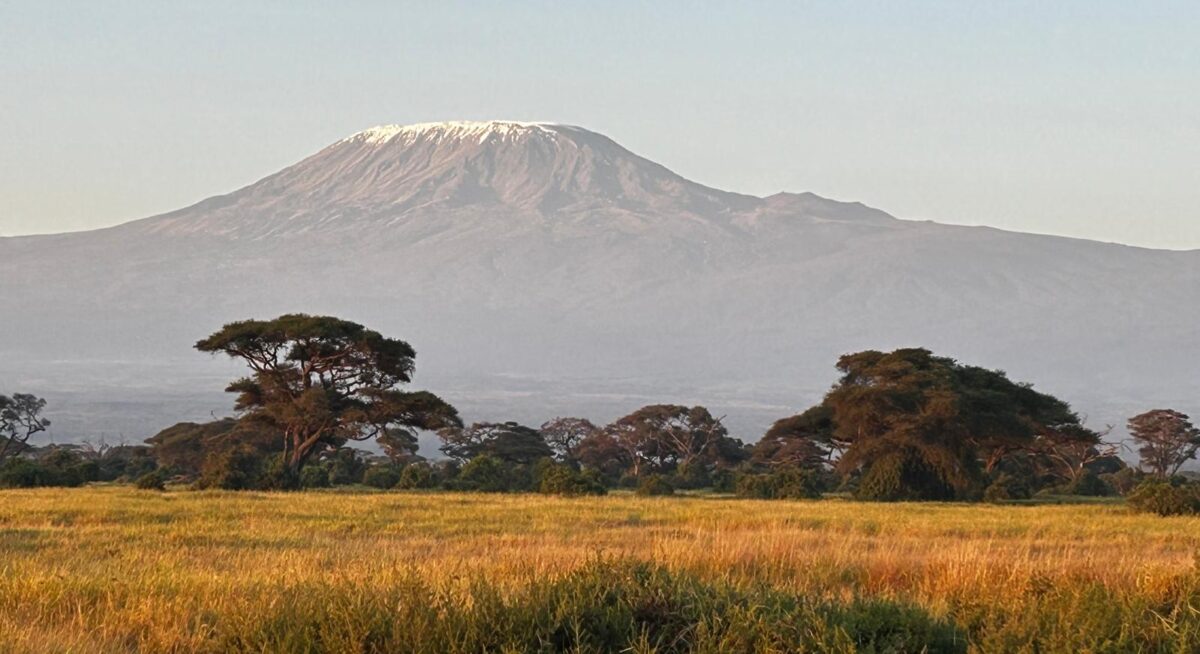
After my extended visit to Kruger National Park, I made my way south towards my ultimate destination in Cape Town, but stopped en route to visit little-known Mokala National Park:
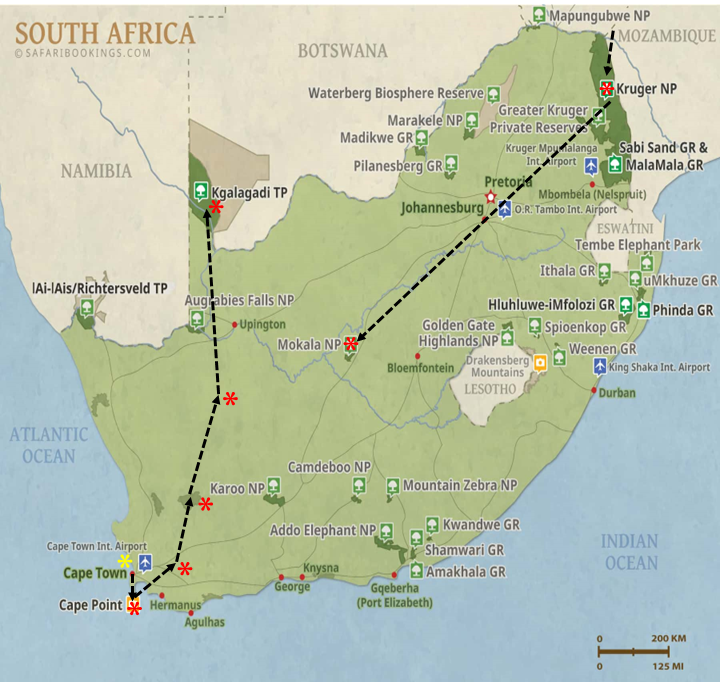
Mokala National Park is located about half way between Joburg and Cape Town and made for a convenient stop on my way back to the Cape. Plus, it is a Park that I had intended on visiting in 2023 but ended up bypassing it, so I was keen to see it this year. Mokala is one of the smallest South African Parks at only 75 square miles and it is the newest Park in the system. The new park effectively replaces the Vaalbos National Park, which was deproclaimed to comply with land claims and diamond prospecting rights. How about that, diamonds versus nature. No surprise who won that battle! It is worth noting that the Park is close to Kimberly, the capital of the Northern Cape Province and the site of the famous Big Hole diamond mine, discovered in the late 19th century and the cause of major civil unrest among several competing factions for control over the mine and those likely to be found in the surrounding area. The Big Hole is purported to be the largest hole ever dug by hand at 1519 feeet wide and 790 feet deep. From 1871 to 1914 up to 50,000 miners dug the hole with picks and shovels, yielding 6,000 lb of diamonds. Today, it’s just a big hole halfway filled with water.
After deciding that diamonds were more important than nature, in 1998 SANParks undertook a study to determine the best replacement locations for the soon to be dug up Vaalbos Park. Eventually, they selected the current site in 2005 and purchased the land from private farms, consolodating several tracts into a single Park, and then in 2006 began the laborious process of relocating hundreds of the larger game animals from Vaalbos to the new Park, beginning with giraffes – can you imagine? The Park was officially proclaimed in 2007. To the credit of SANParks, 20 years later when I visited, the Park was teaming with wildlife. In fact, so much so, that the Park is now used to relocate surplus animals to other Parks and to sell some to private game reserves to raise funds. Apparently, despite the Parks small size, the habitat is productive enough that many of the large herbivores do exceedingly well.
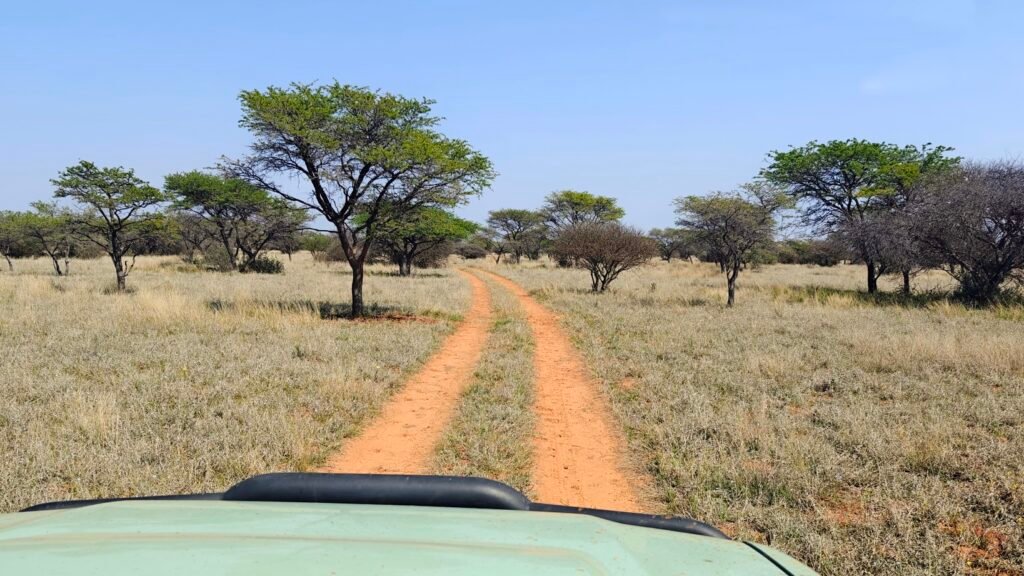
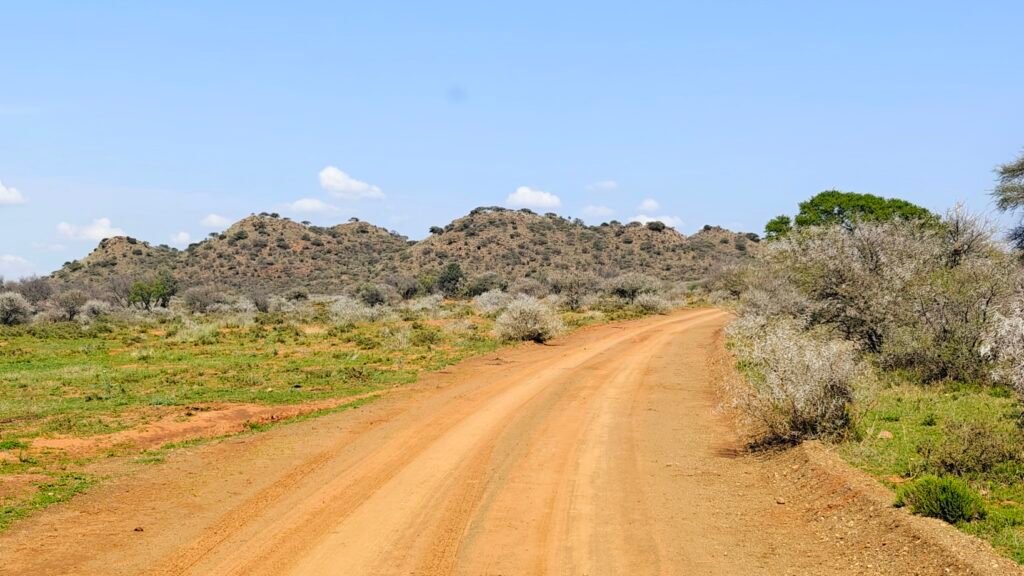
This gem of a little Park, that even most of the South Africans that I met didn’t even know existed, may owe its diversity and productivity to the fact that it lies on the transition zone between the Karoo (the eastern-most Nama-Karoo section) and the Kalahari ecosystems. Thus, characteristic wildlife from both of these major ecosystems can be found in this very small Park, as you will see below. The quintessential tree of both ecosystems is the Camelthorn Acacia, which is found in abundance in this Park. In fact, the Park is named after the camelthorn, which is called “mokala” in the native Setswana language. Here’s a few pictures of the diverse landscape in this Park:
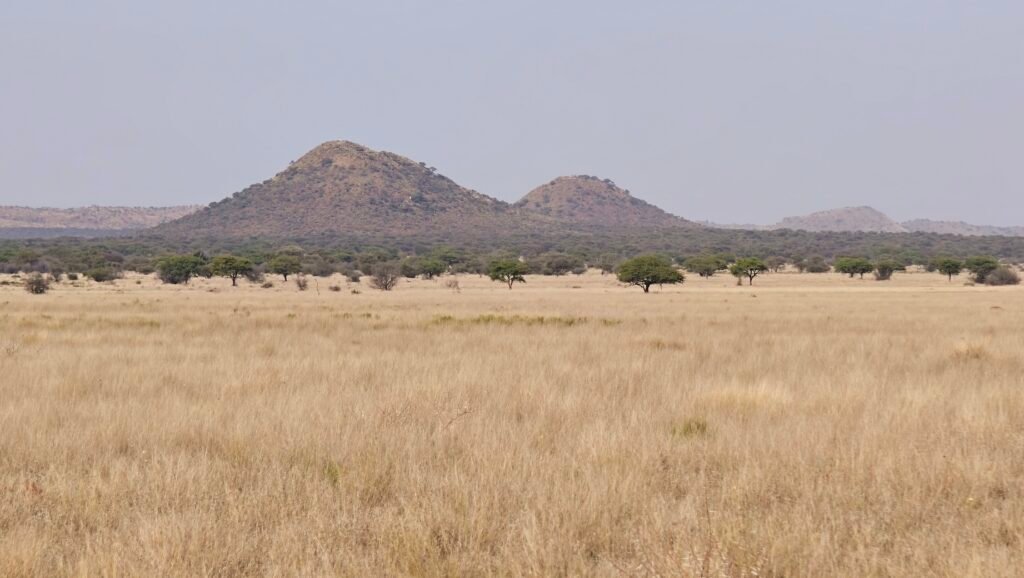
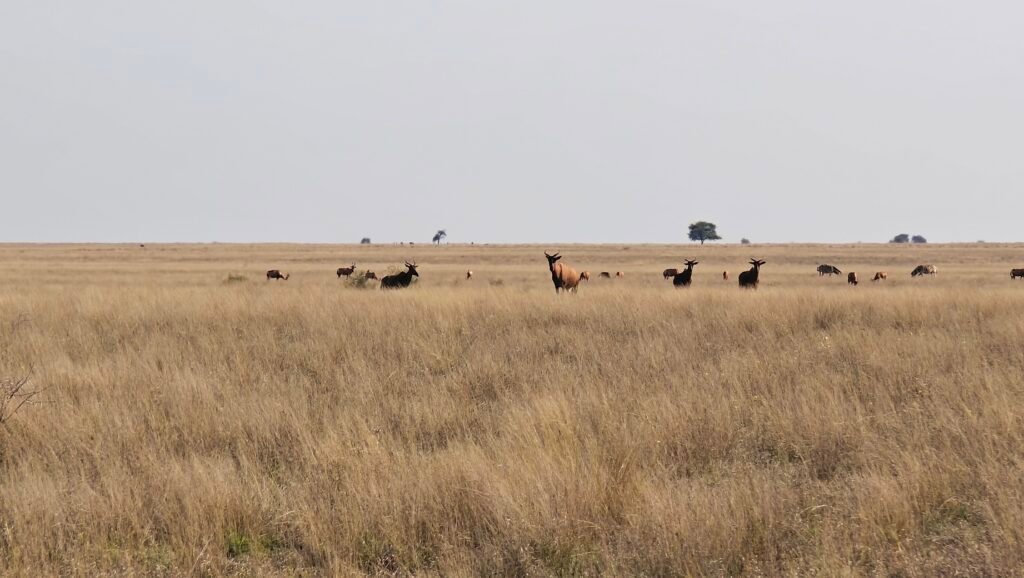
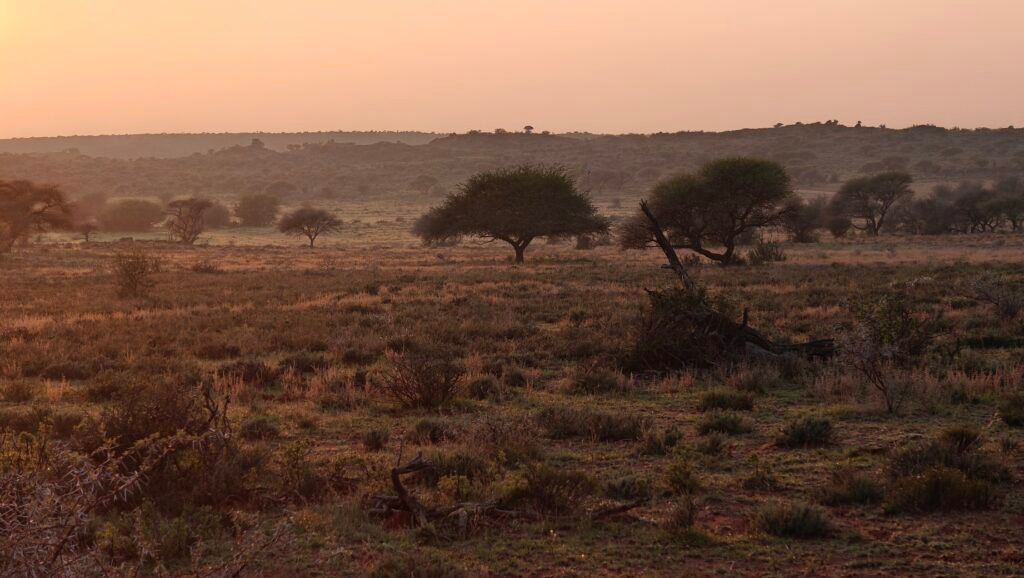
One thing of interest to me, and other potential visitors, was the lodging/camping accommodations. I stayed in the only campground, which consisted of only 6 luxury sites adjacent to a productive waterhole. Each site had its own luxury ablutions, including kitchen with propane stove and refrigerator/freezer, and toilet and huge shower, as seen in the following pictures:
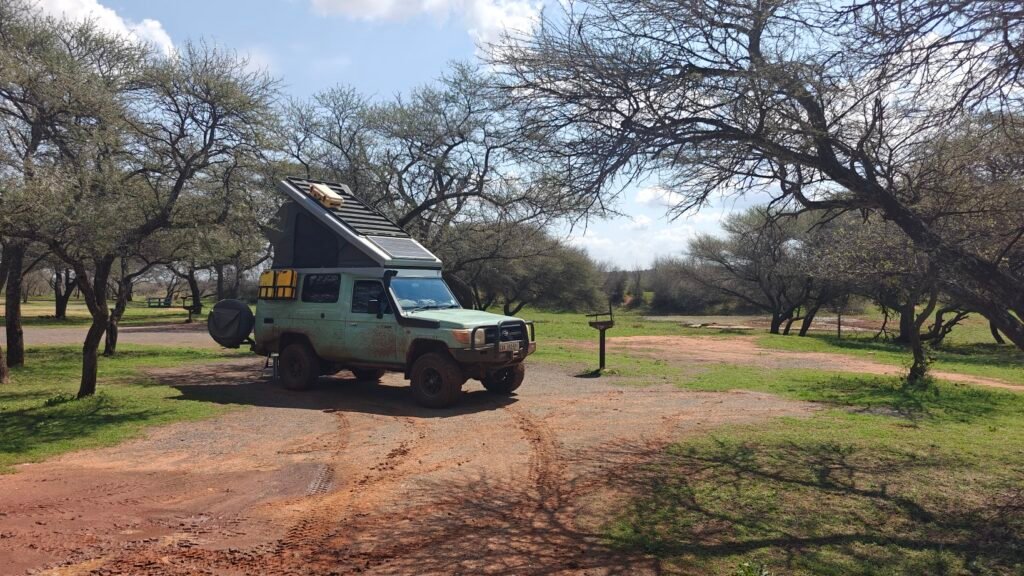
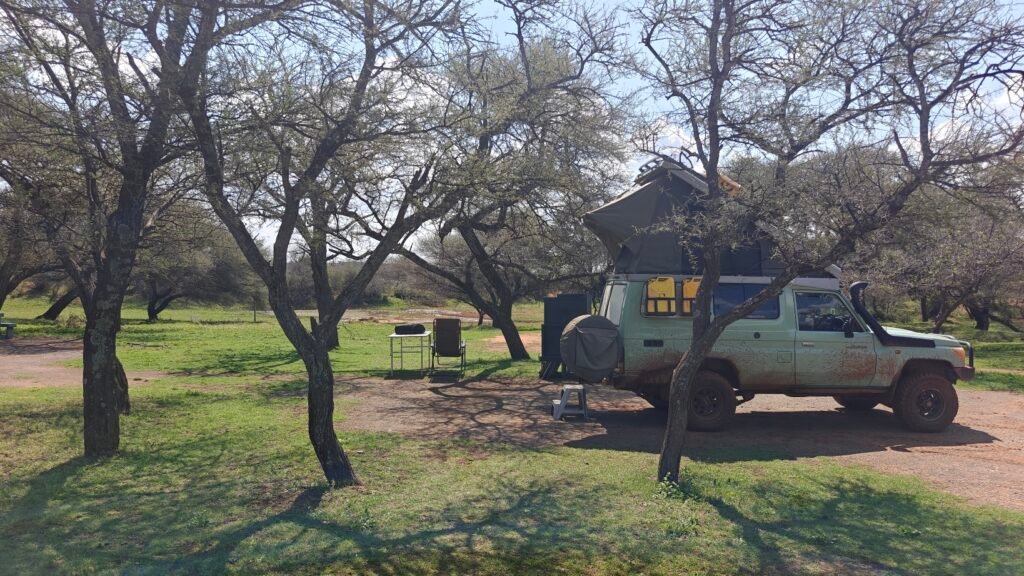
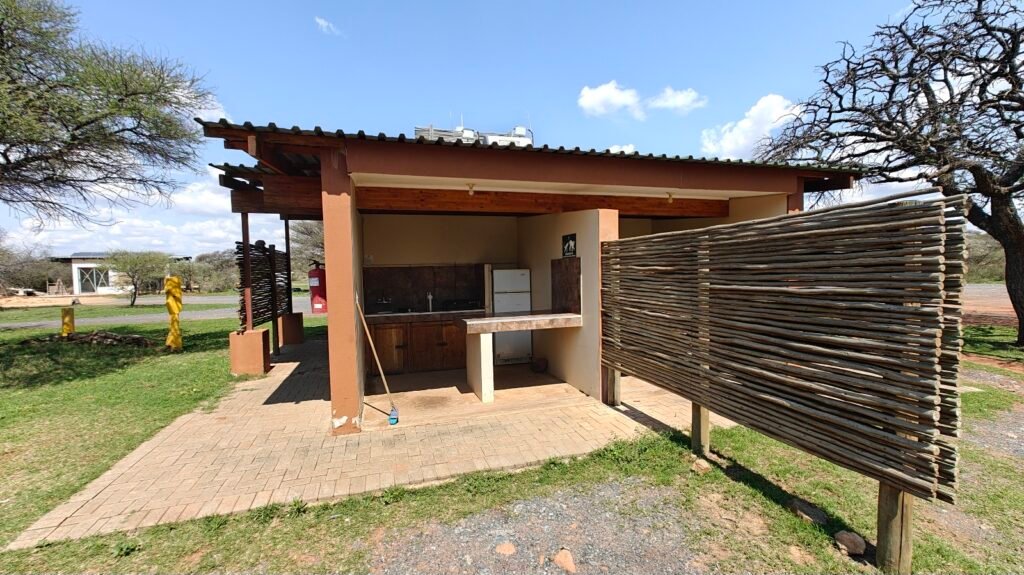
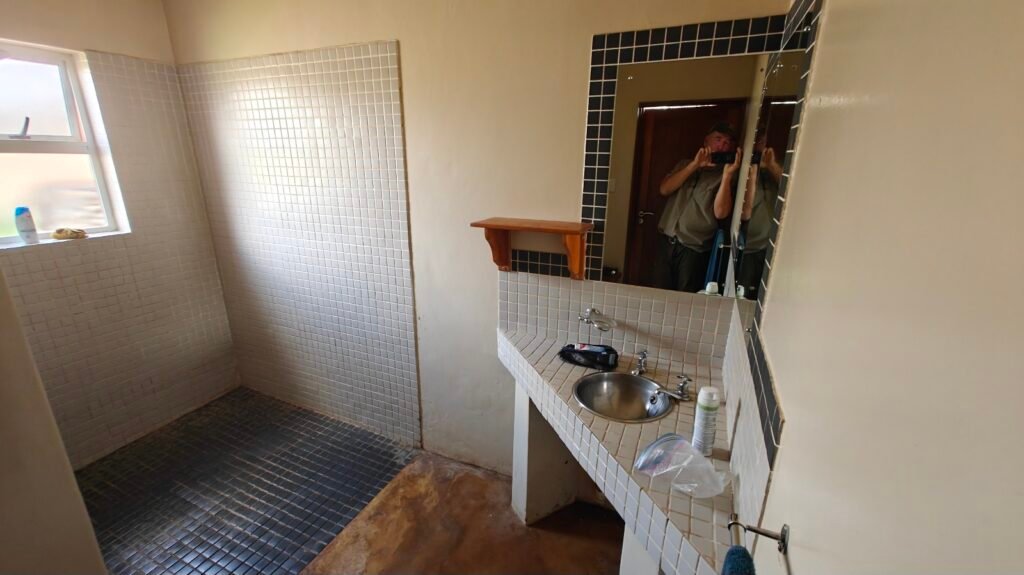
In addition to the small but luxurious campground, the Park also has a couple of lodges with a handful of chalets and a few amazing “tree houses” overlooking waterholes. Indeed, if we were to come back to this Park, I think we would opt to stay in one of these spectacular tree houses. One of the nicest things about this Park was how few visitors there were. Consequently, all of my wildlife viewing was private and intimate. This was a welcome change after the crowded Kruger National Park.
As note above, the water hole, a mere 100 feet away from my site, was very productive. Here’s a sample of a few of the animals that came into camp to graze and/or to quench their thirst at the waterhole:
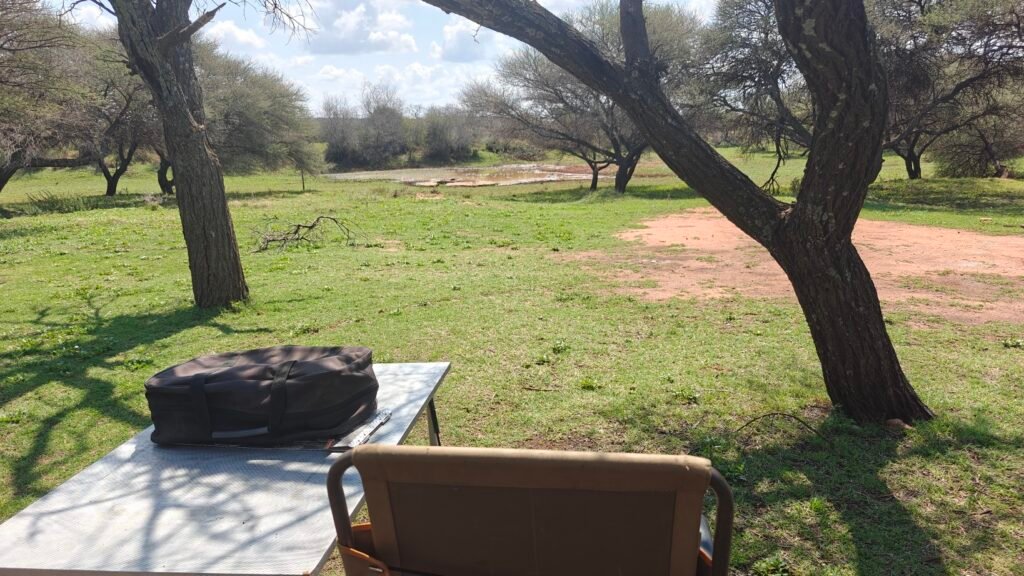
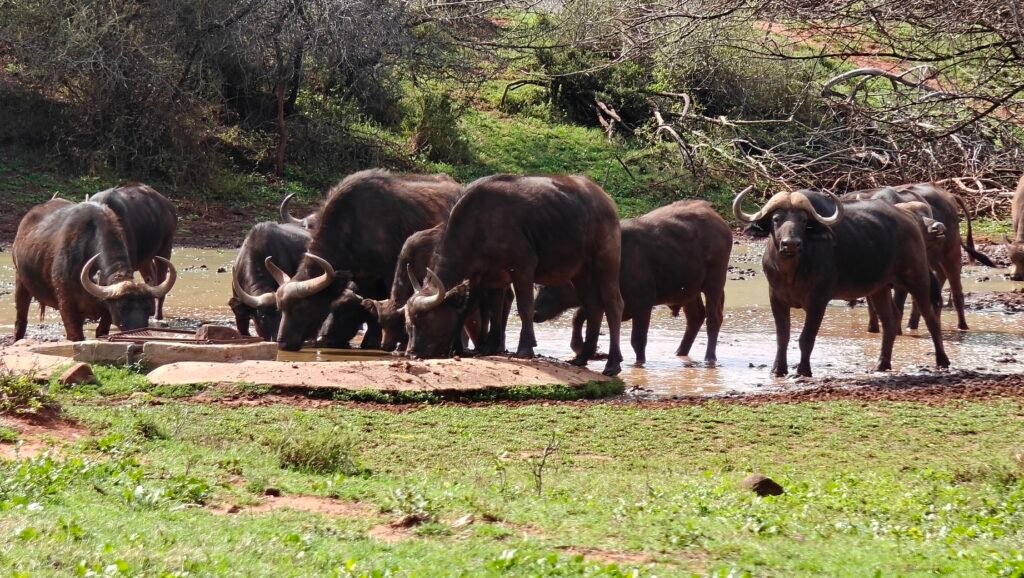
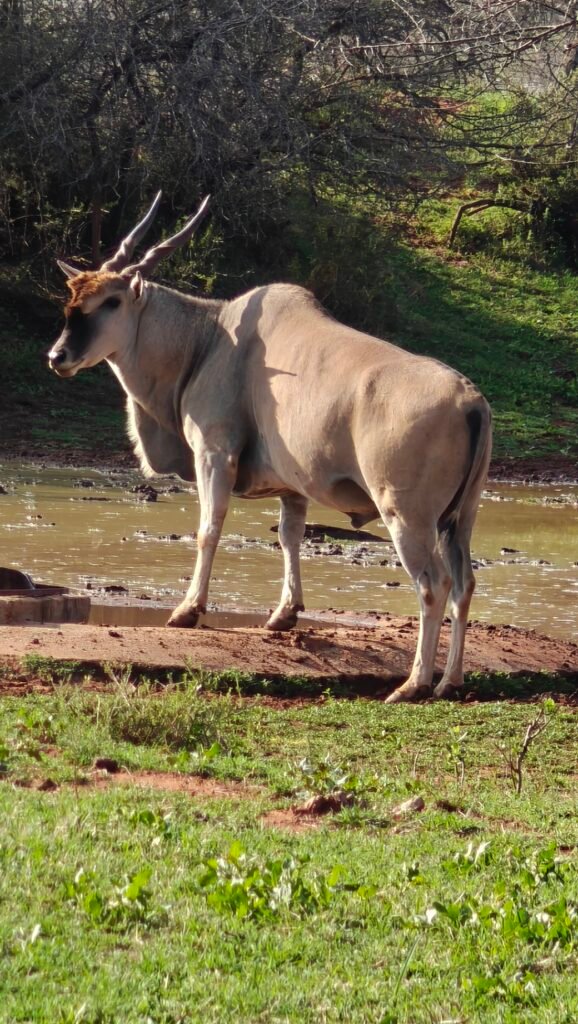
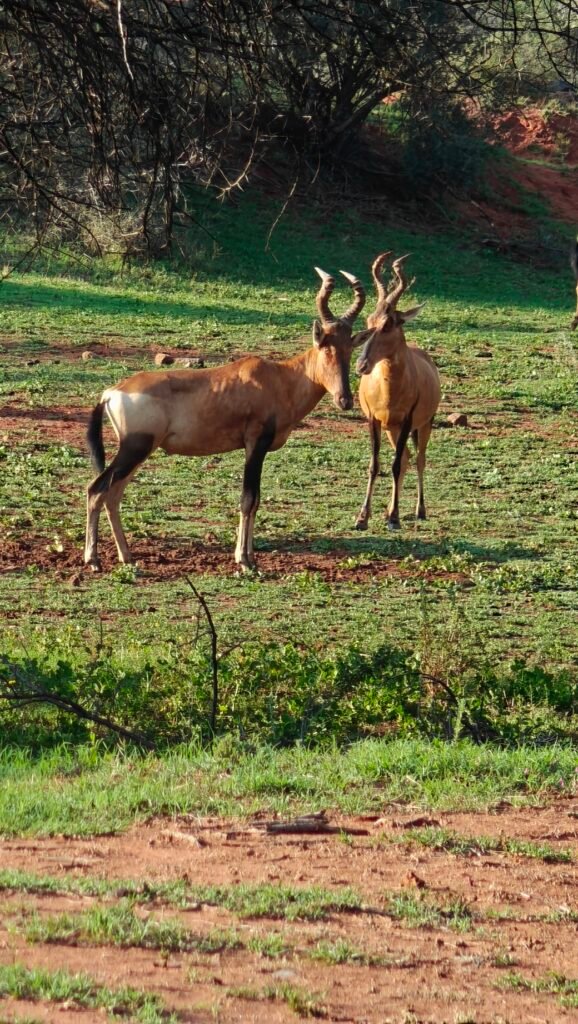
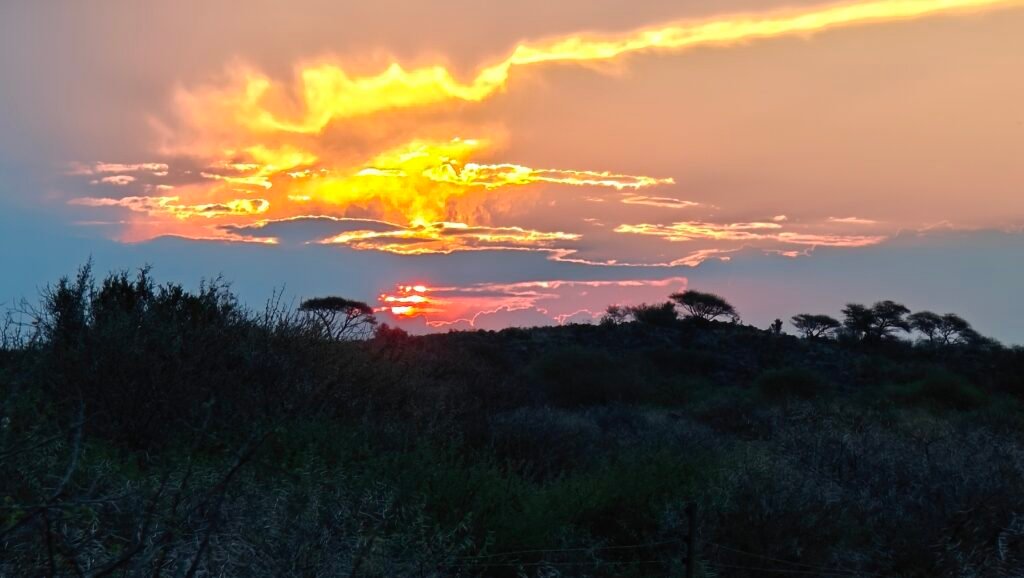
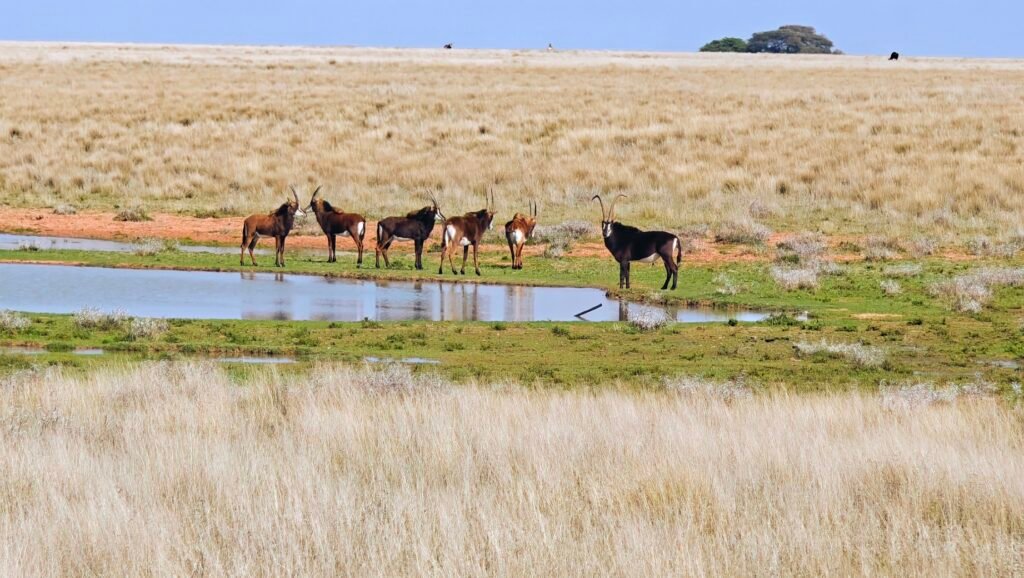
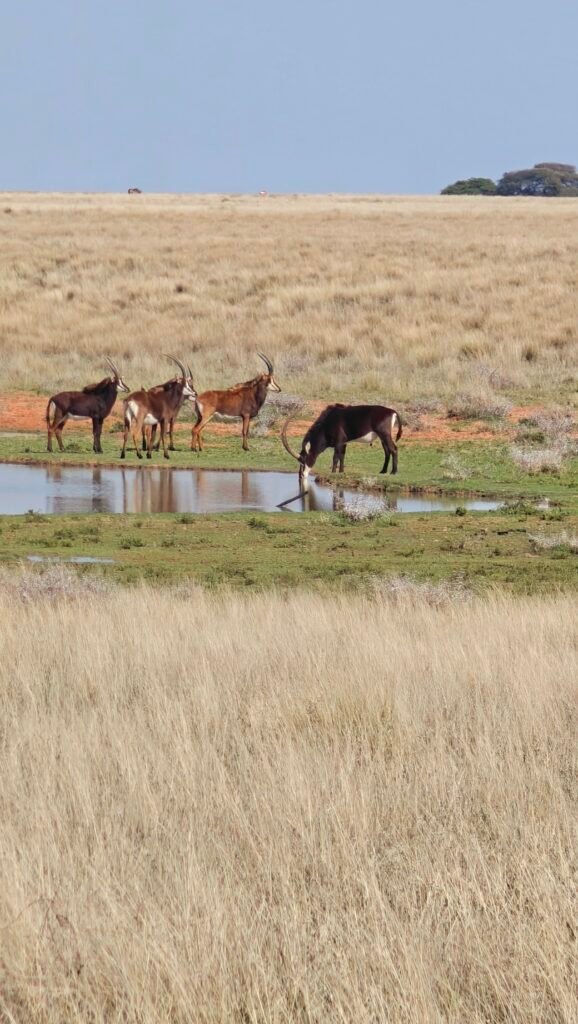
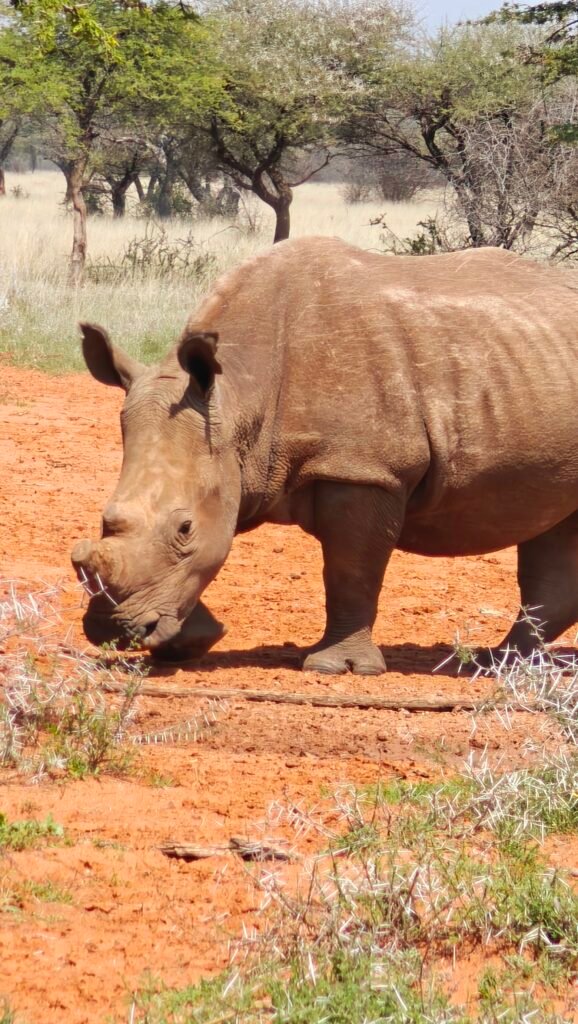
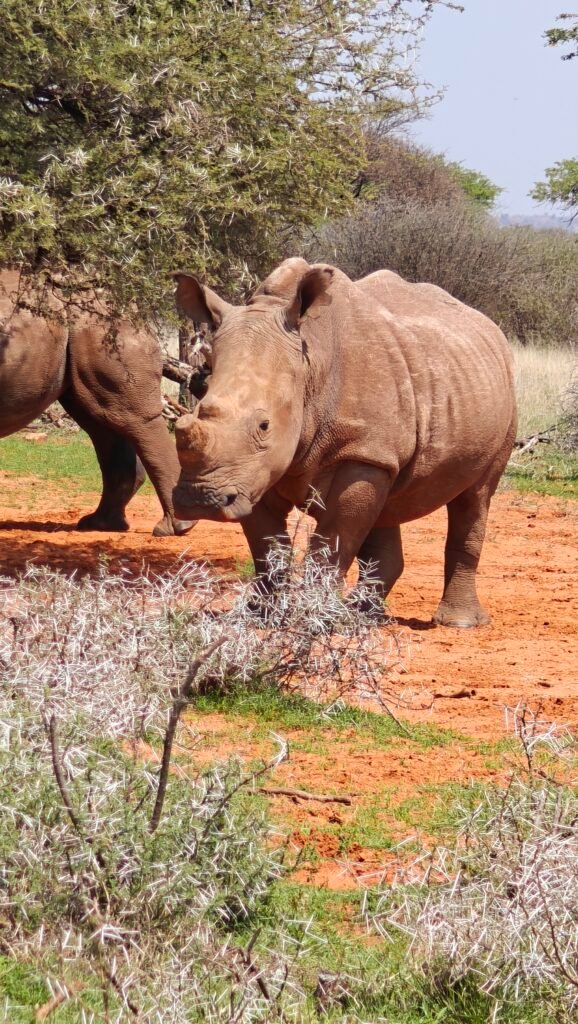
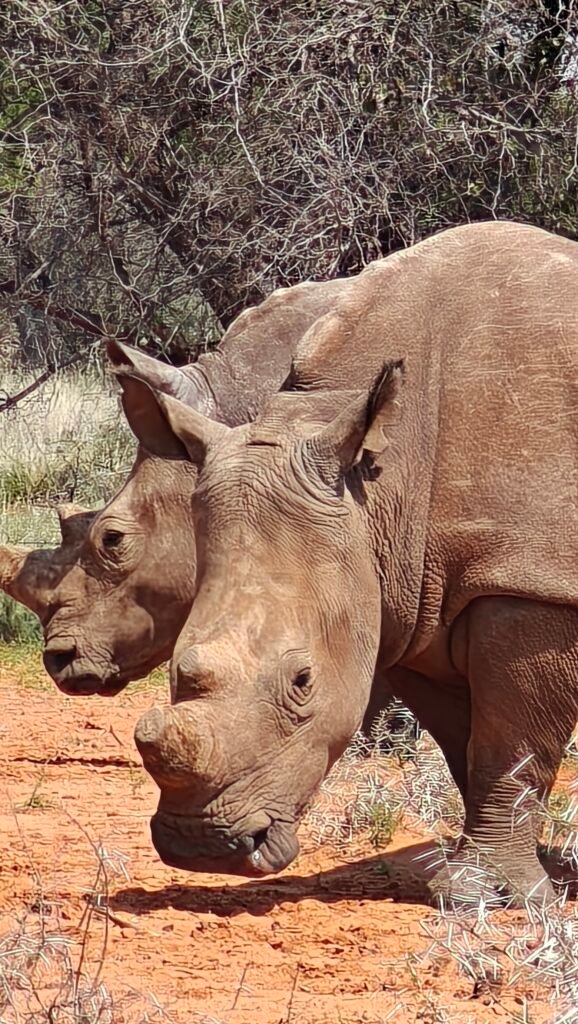
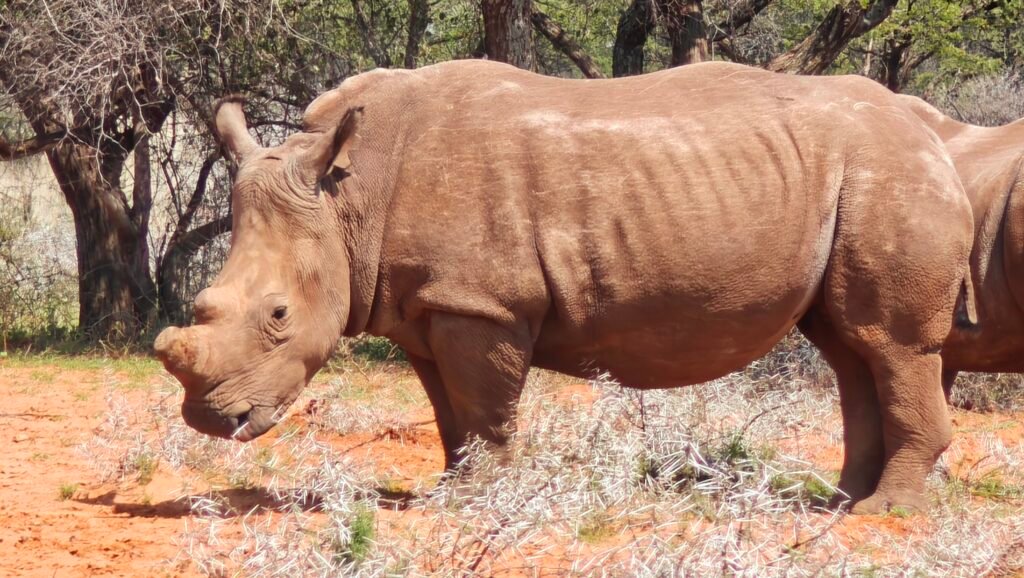
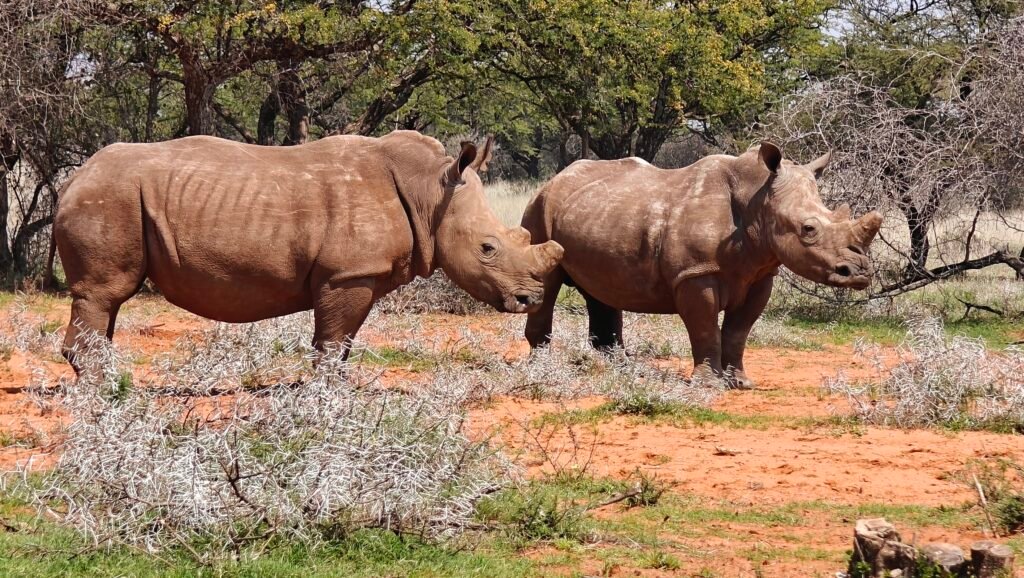
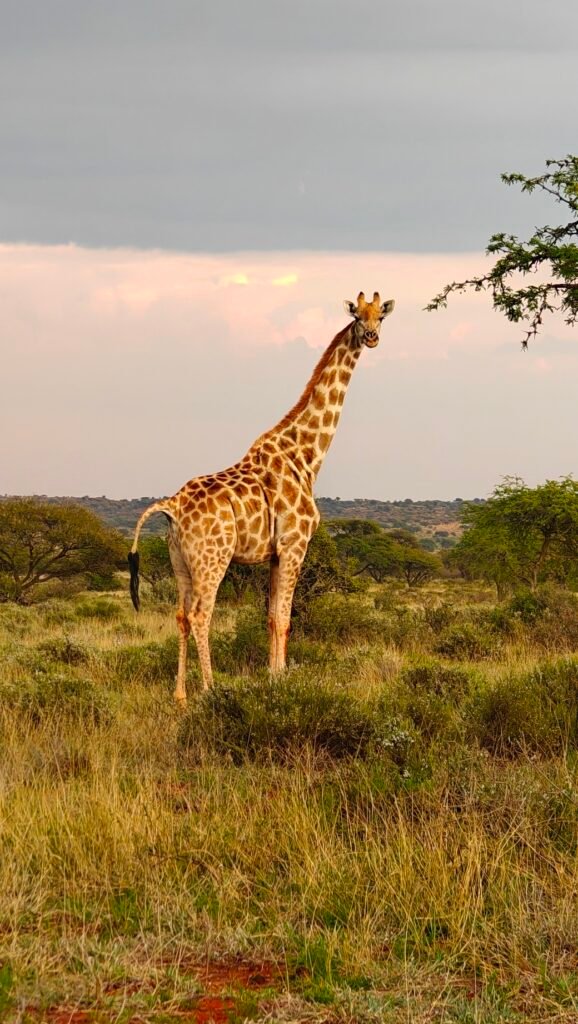
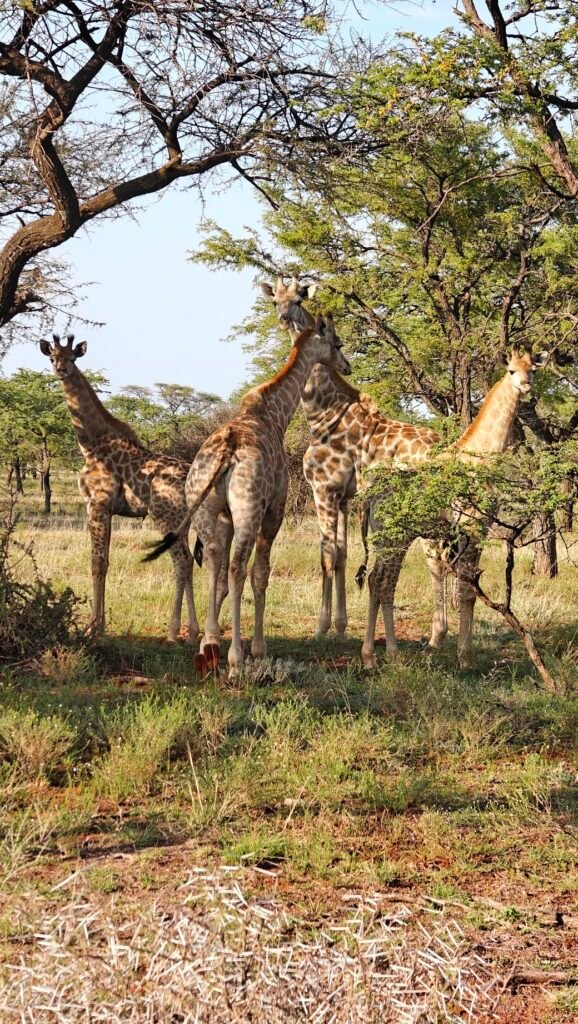
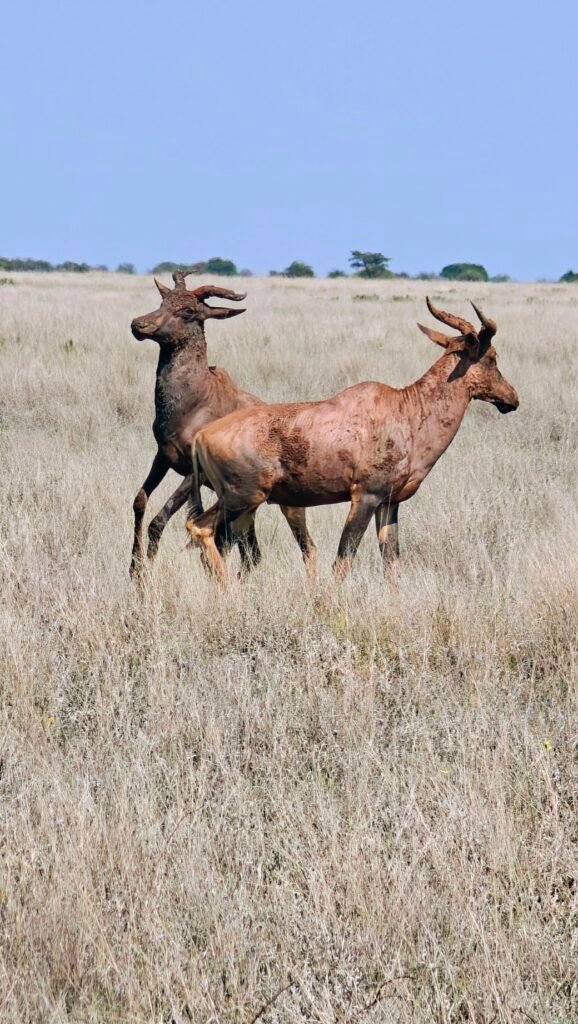
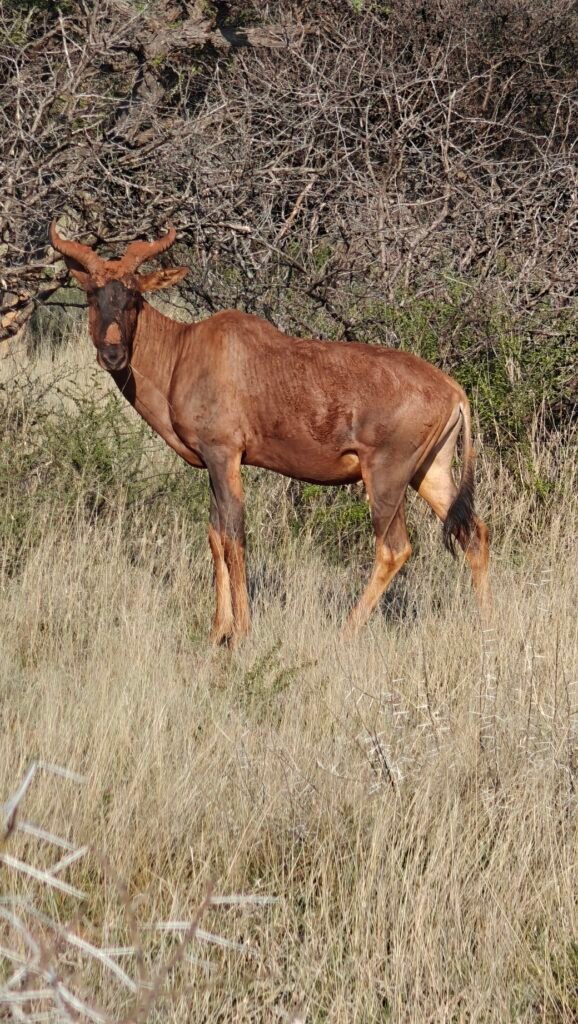
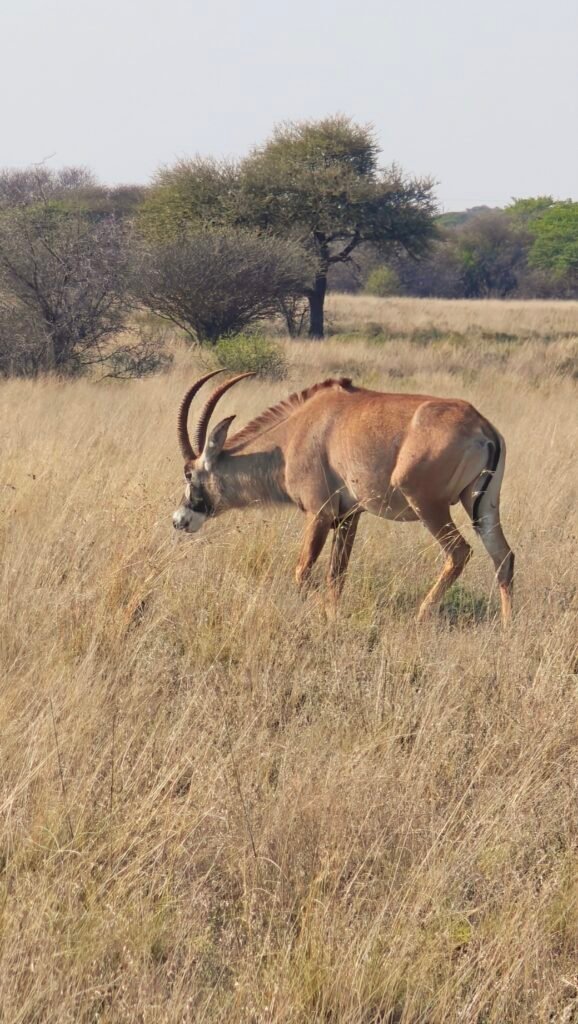
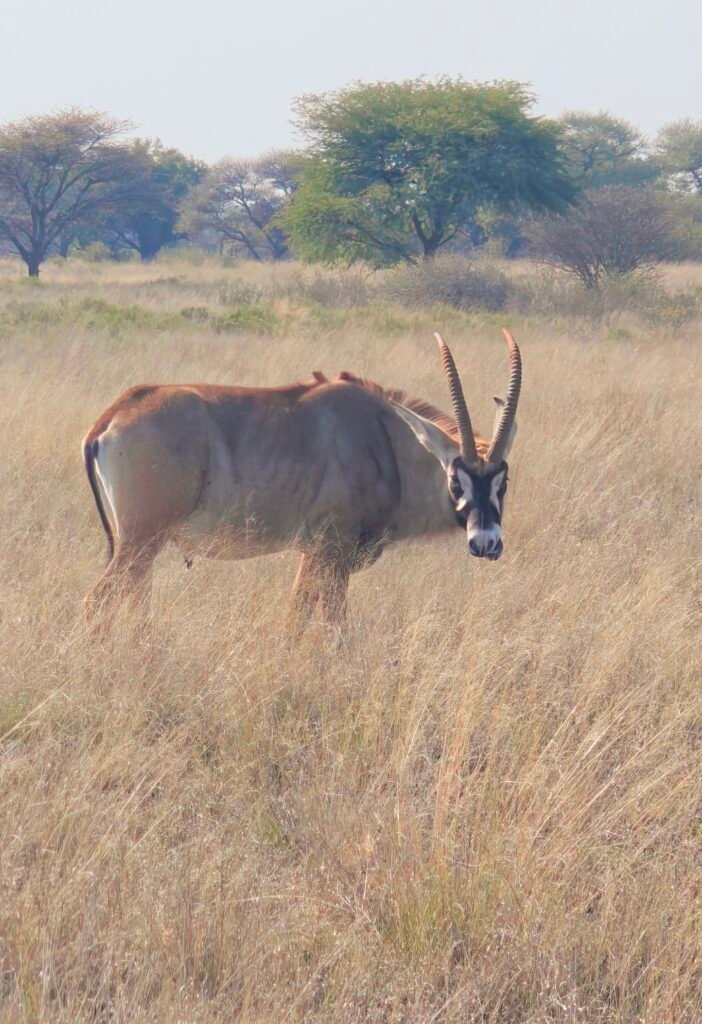
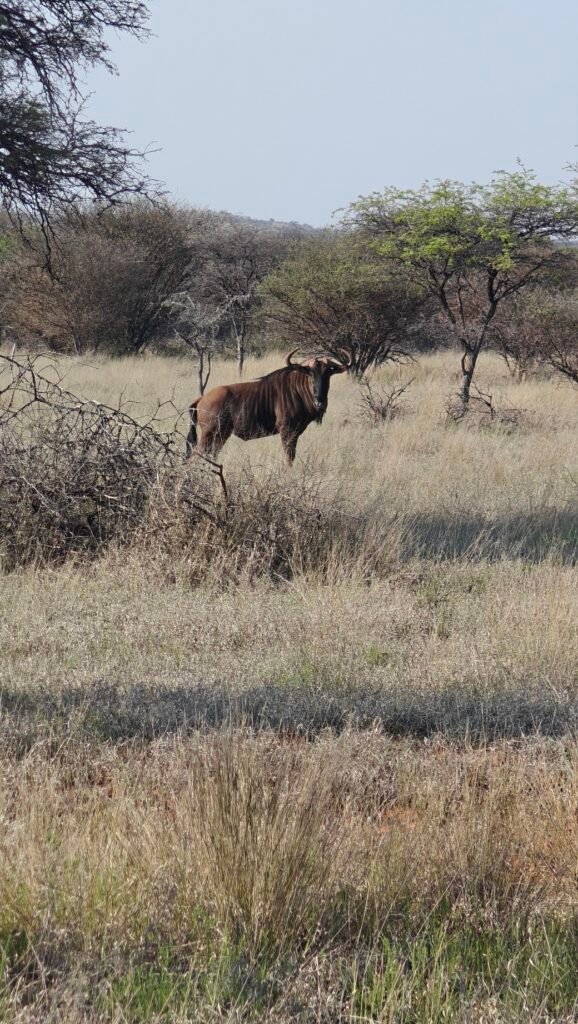
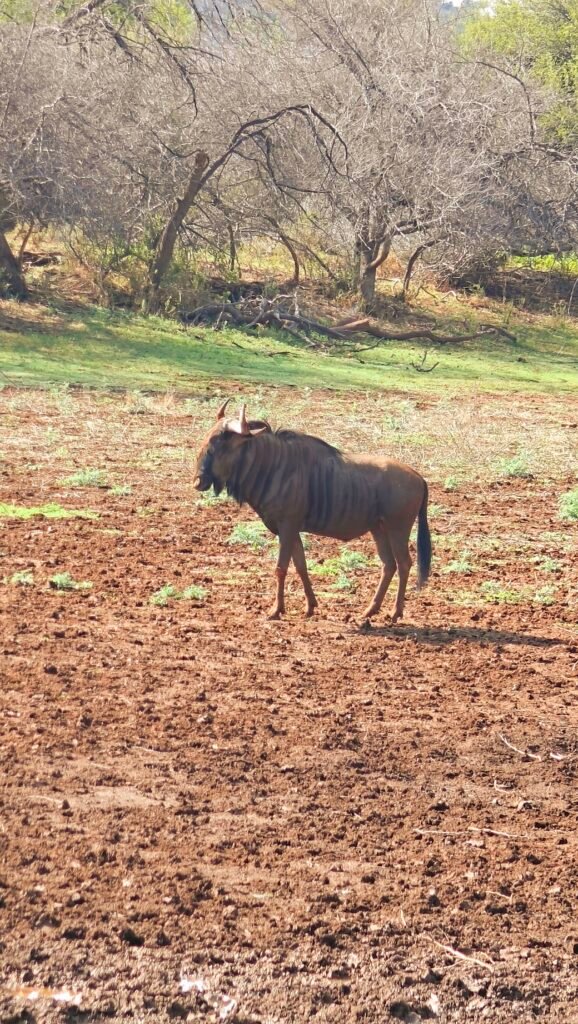
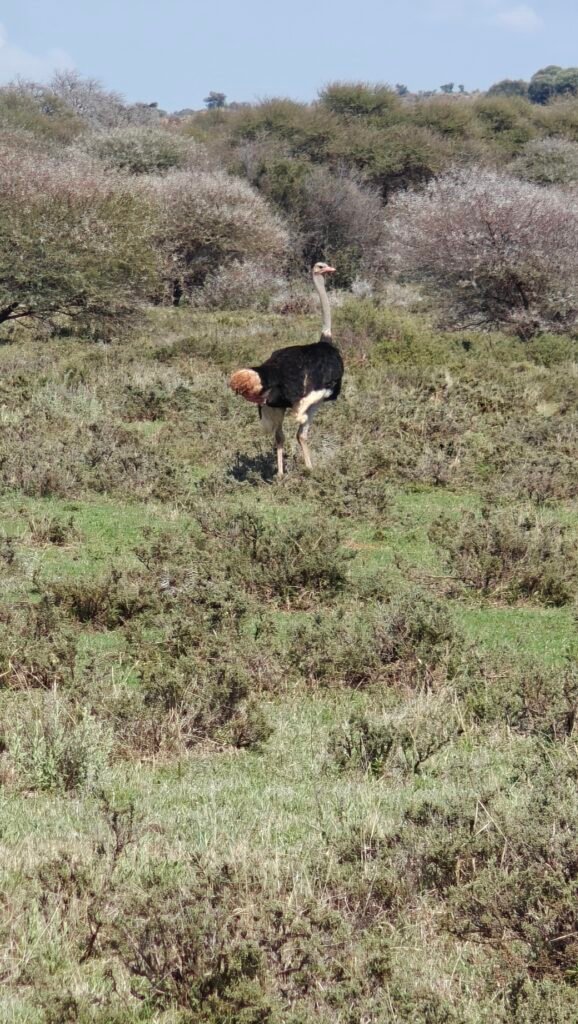
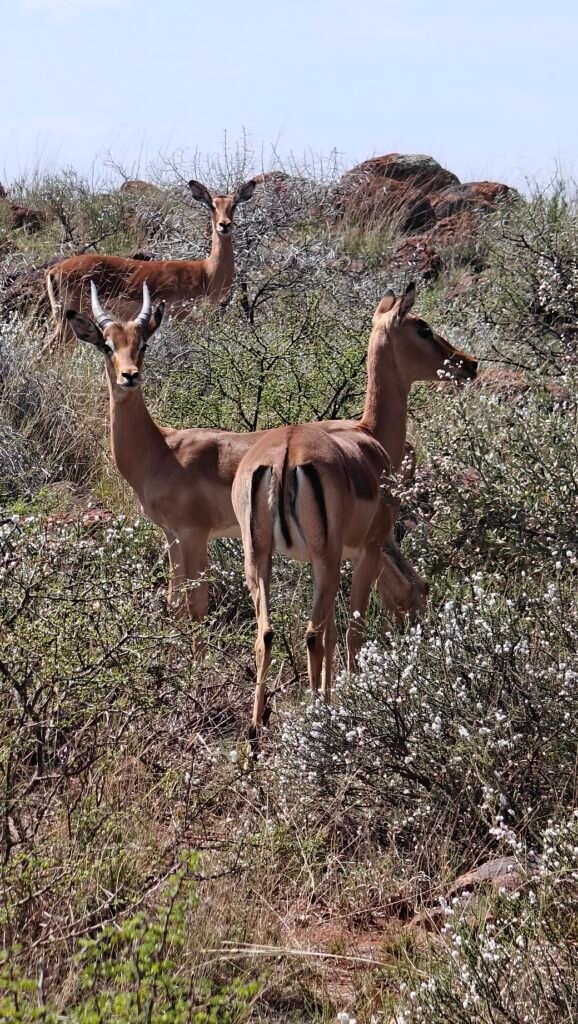
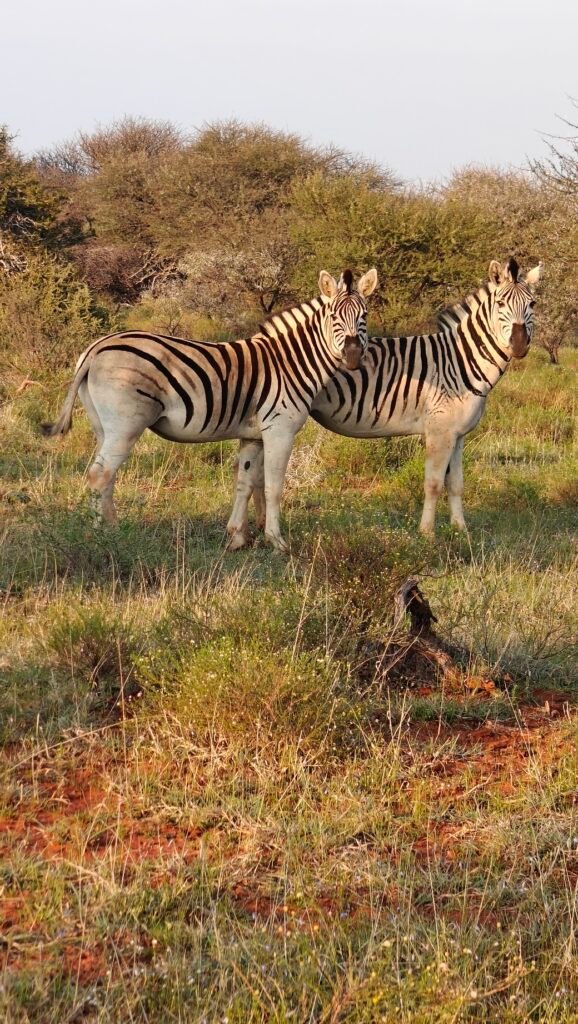
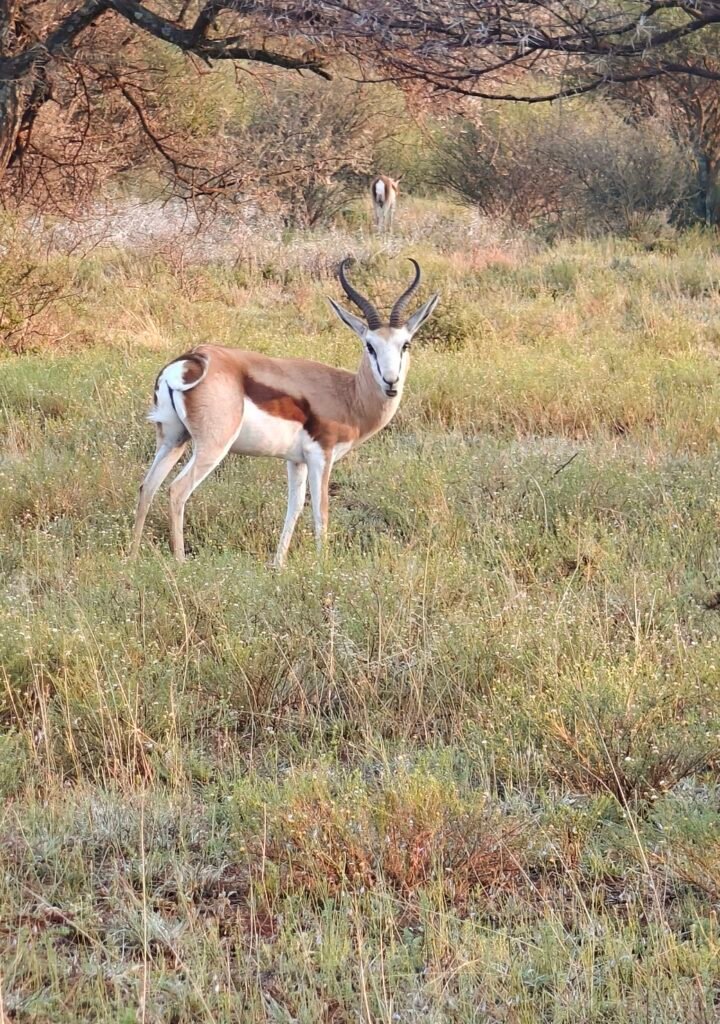
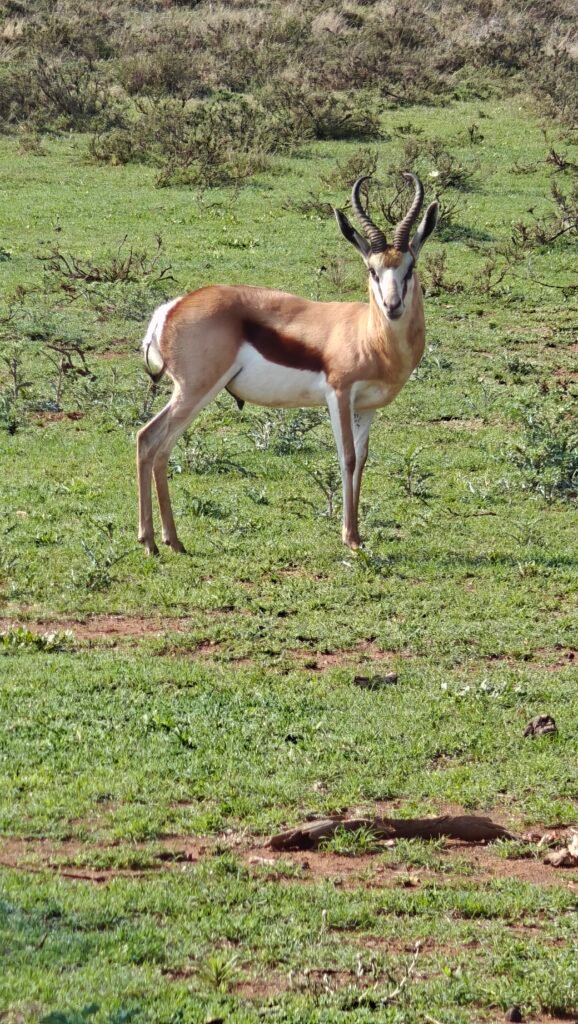
As far as wildlife goes, at every turn of the head I had animals of all kinds (see photo gallery below), with the exception of the large predators (i.e., no lions, leopards, cheetahs, or wild dogs), although there may have been hyenas. Indeed, the absence of these large predators partially or largely explains the abundance of the large herbivors. However, the highlight of my visit, and indeed the desired culmination of this years African journey was a great sighting of the beautiful Sable antelope and, finally and ultimately, a close-up encounter with prehistoric looking White Rhino, which I failed to see in any of the other Parks along the way this year:
OK, I am off to Cape Town to prep the Green Dragon for another several months in storage. There will be nothing of interest to report on during these last several days, so sadly this will be my last post for this, my fourth, year of overlanding Africa. Thanks for following along and keeping me motivated to continue this blog.
Cheers!
Photo Gallery:
Hi Kevin, Omgosh ! What an awesome adventure you had this year. Just read your last post about Mikala NP ! What a treasure! Thanks for taking us along again ! Give Nancy a hug for me when you see her ! Safe travels home. Sue