After leaving Moremi Game Reserve in the Okavango Delta, we headed back to Maun for Nancy, Frank and Jane’s last hurrah before they headed home.
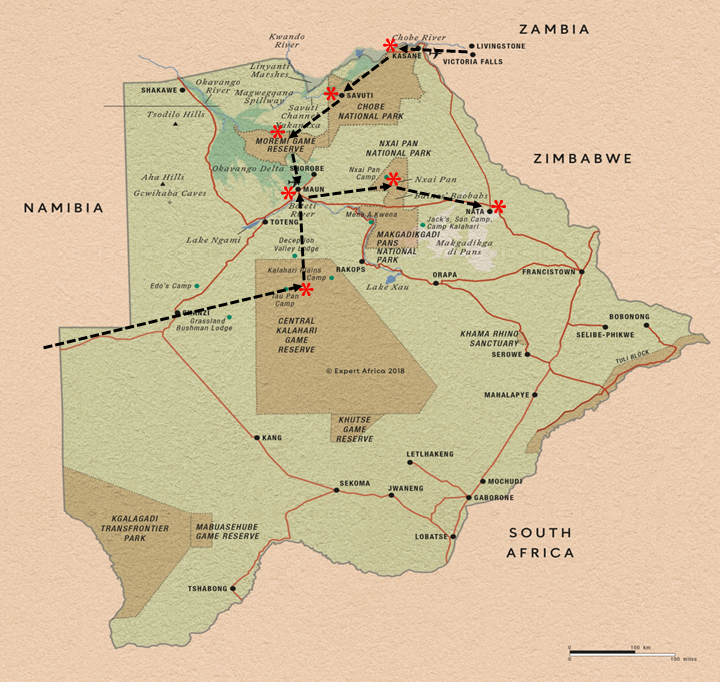
For their last hurrah, we took a 5 hour motorboat ride up the Doro River into the Delta from our Island Safari Lodge and Campsite in Maun. This was a delightful way to see the Delta one last time, but this time from the water instead of from land.
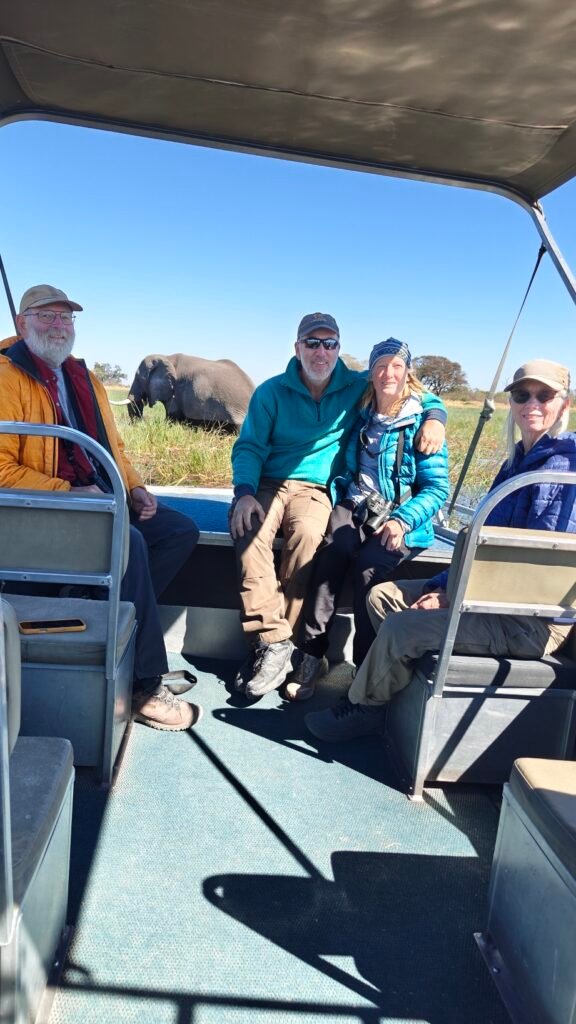
The boatride was fast-moving and twisty-turny, that at times felt more like a theme-park ride than a wildlife excursion – something I think Sylvan would have loved, as I suspect he would have been sitting up front with his head over the bow and a big smile on his face ! Here’s a short 90 video to give you a taste:
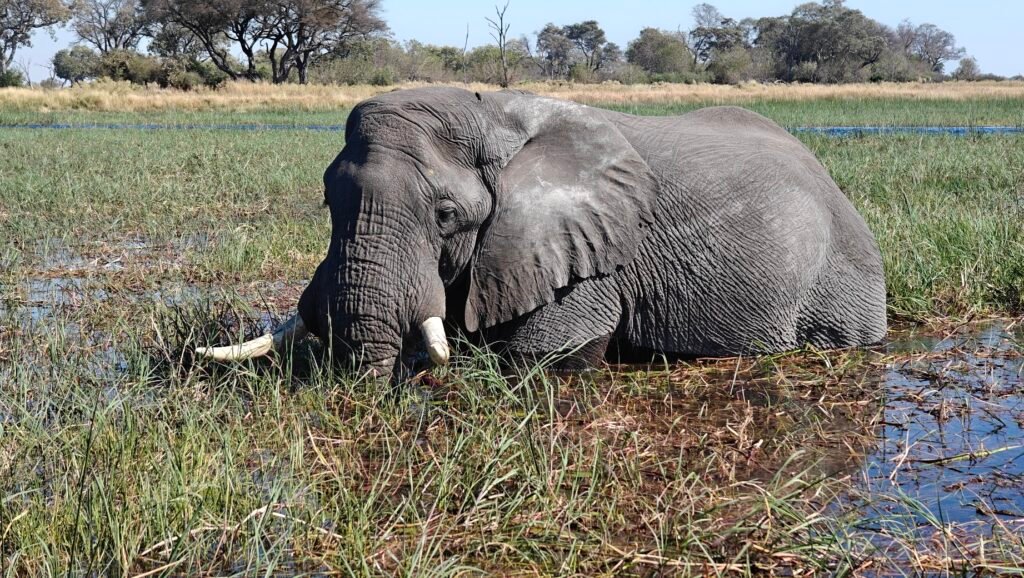
Of course, the boatride wasn’t all speed and thrills; we did see some wildlife along the way. Most impressive were the big bull elephants foraging in the marsh:
After sending Nancy, Frank and Jane on their way, I took to the road solo and headed east to Zimbabwe, with a one-night stand at the Nata Sanctuary campground in Botswana before crossing into Zimbabwe and on to Motobo Hills located just south of Bulawayo:
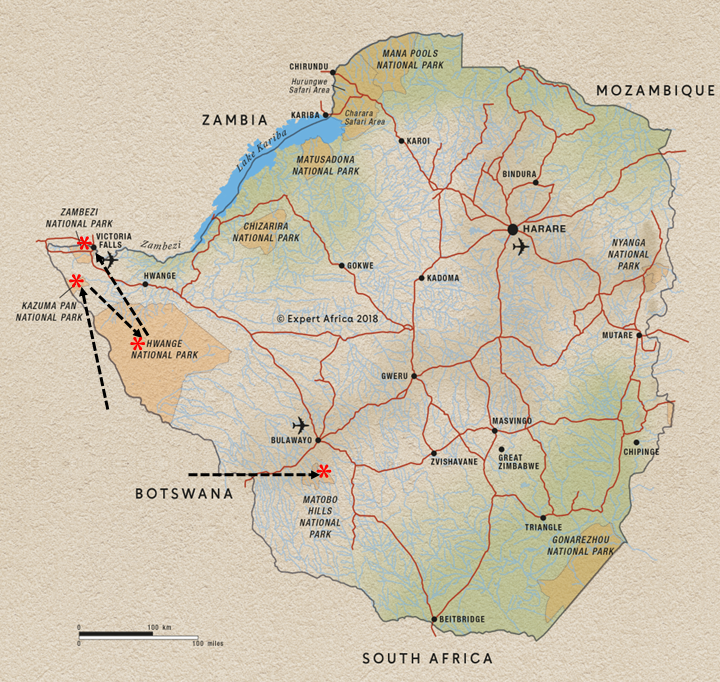
Matobo Hills and the Matobo National Park was merely a convenient stopover from me en route to my destination, Gonarezhou National Park, in the southeast corner of Zimbabwe, but it looked online to be an interesting Park itself and thus worth a couple of nights stay.
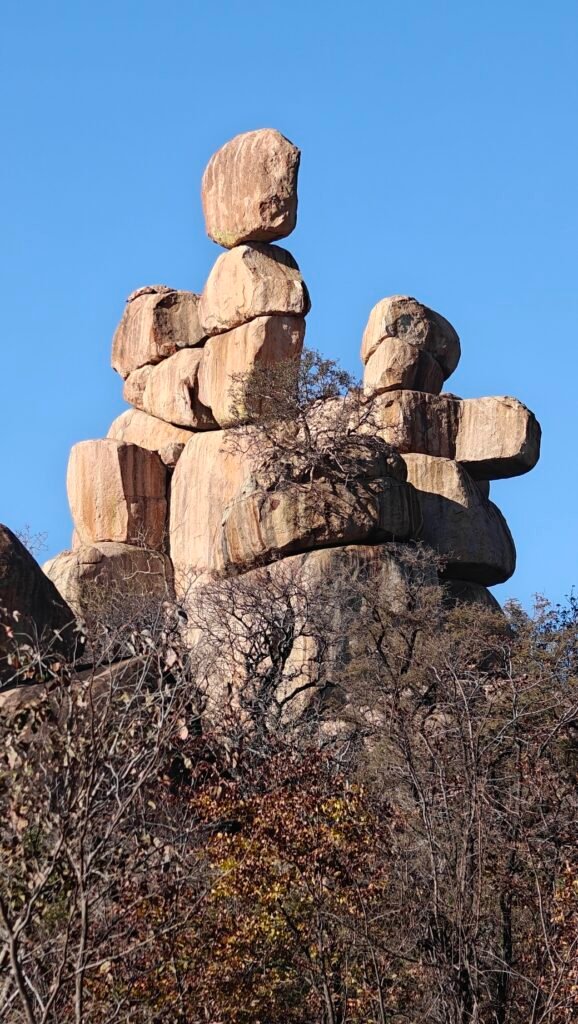
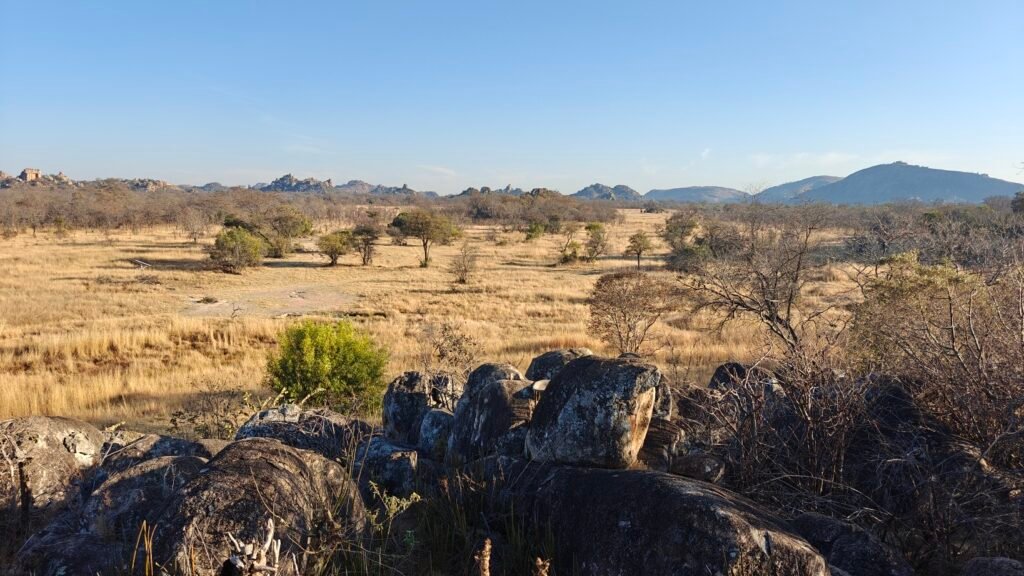
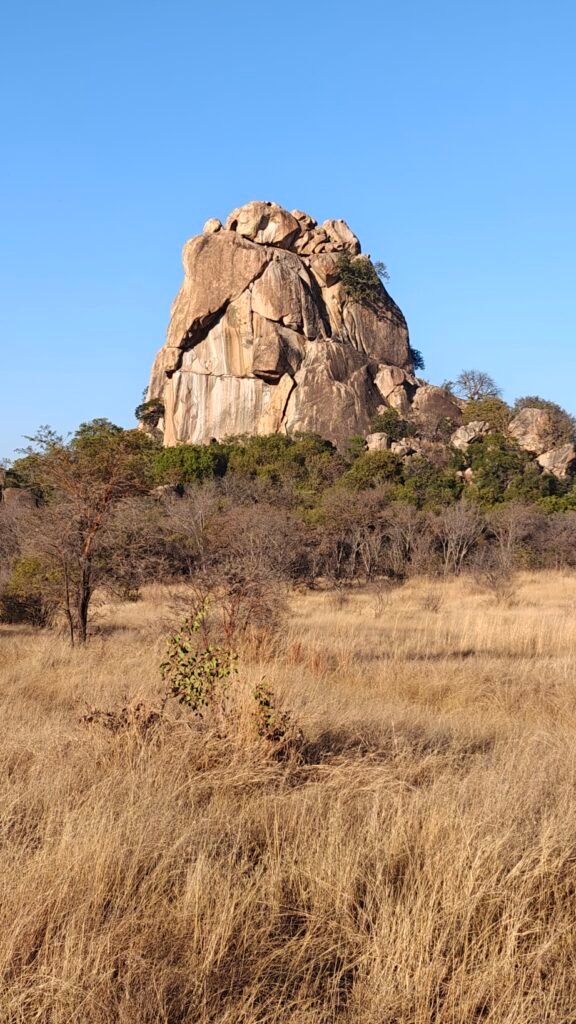
Briefly, Matobo National Park, established in 1926 and located just south of Bulawayo, is Zimbabwe’s oldest National Park and is also referred to as Rhodes Matobo National Park after the bequest of Cecil Rhodes, the original head of the British South Africa Company and founder of the southern African territory of Rhodesia (now Zimbabwe and Zambia). The Park, at 121 square miles, forms the core of the 1,200 square miles Matobo Hills, which are 2.5+ billion (yes, that’s Billion with a “B”) year old granite koppies (or kopjes) and wooded valleys. As with all granite, the hills were formed when magma was being forced to the near surface; it has since eroded to produce smooth “whalebacks” and broken kopjes, strewn with boulders and interspersed with thickets of vegetation, as shown in the photos below:
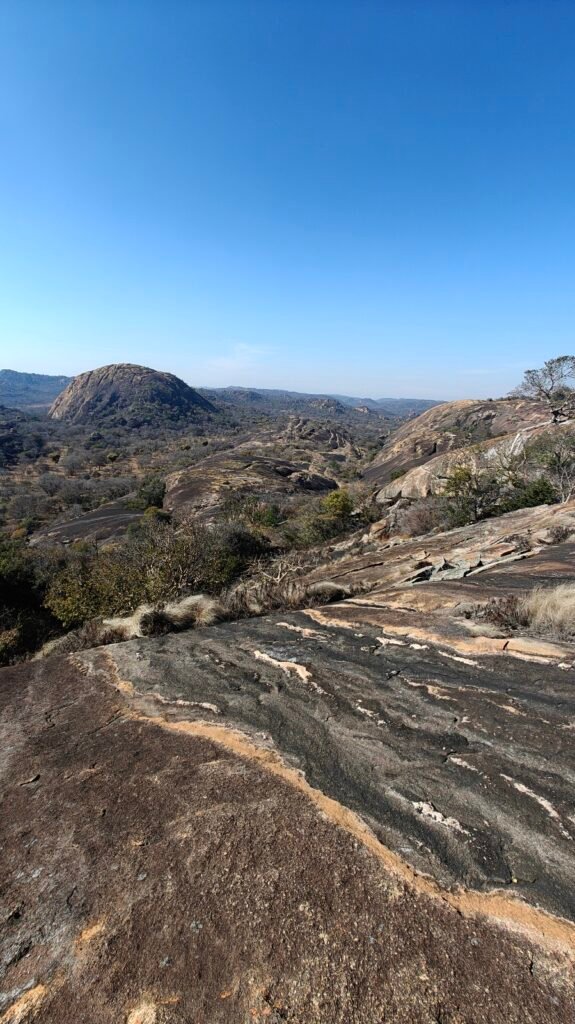
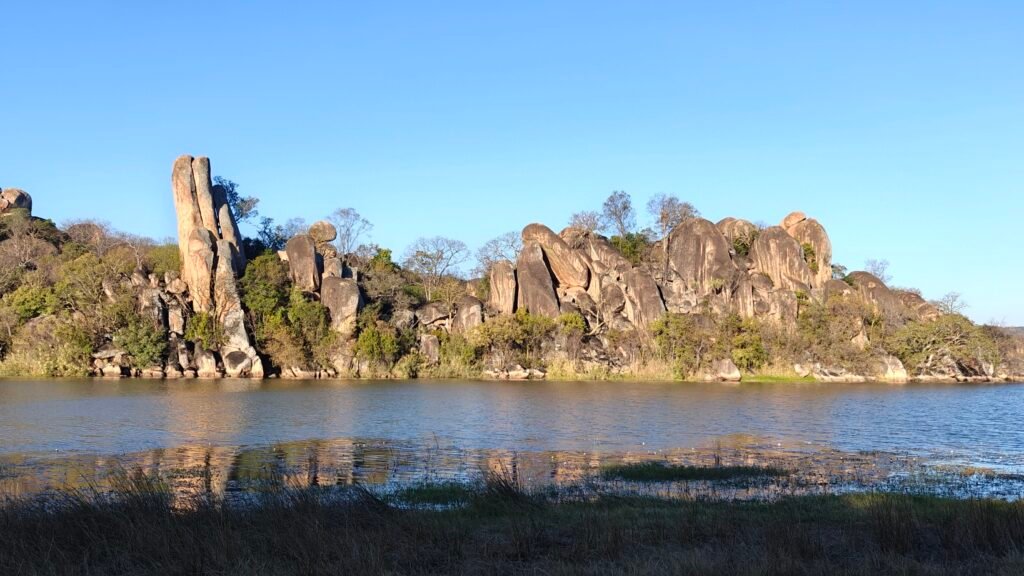
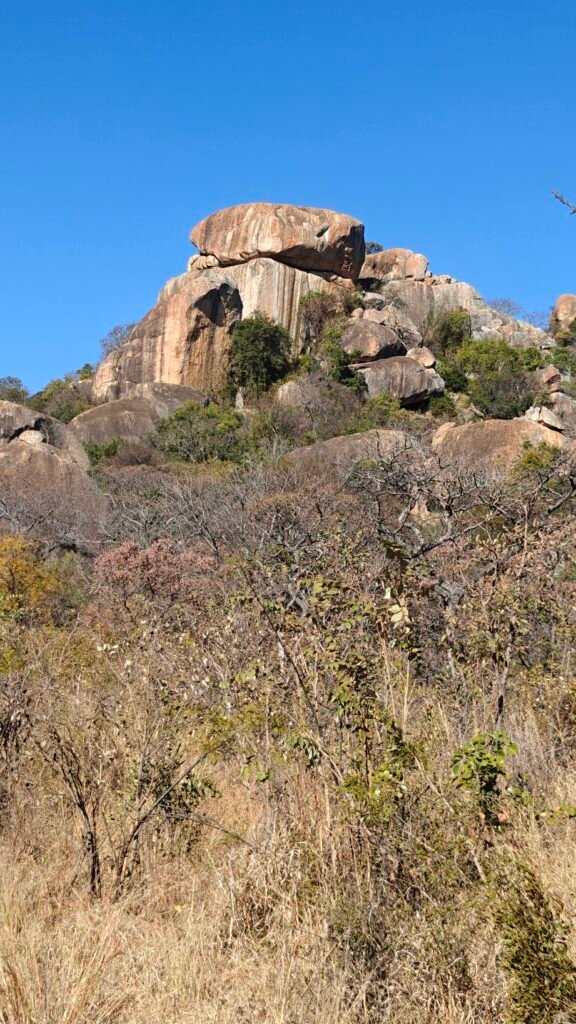
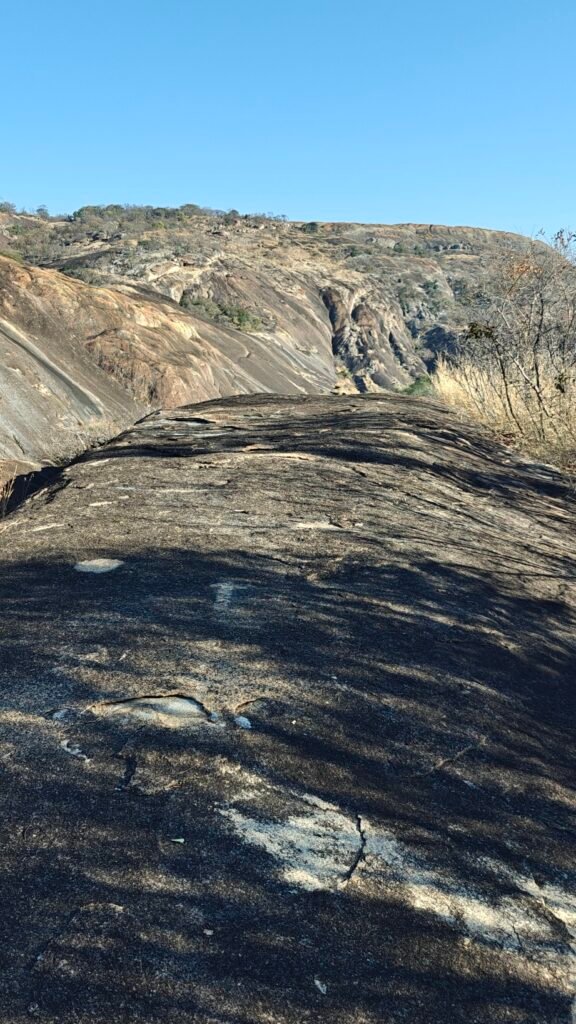
Visiting Matobo National Park was a mixed bag. The Park is mostly in a state of complete neglect. The roads are washed out all over the place; most of which are impassable now, and the facilities are all run down and unmaintained. Unfortunately, this is the sad state of affairs with many of the Parks in Zimbabwe that don’t top the international tourist destination list. This Park is mainly visited by the locals, so it doesn’t get any attention or money from the government. Consequently, after a road or structure gets built – usually because of a nonprofit donation – it slowly degrades without any maintenance until it eventually becomes a hazard.
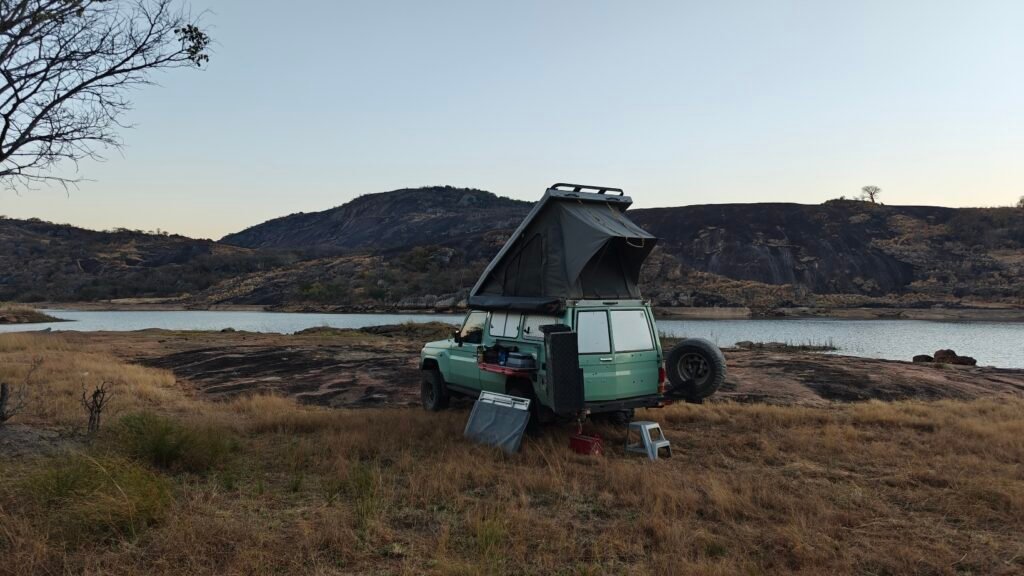
The campsites were no exception. My first site was at a remote reservoir, which I was directed to by the Park staff at the entrance gate. The “campground” had no working ablutions, just an overgrown structure inhabited mainly by rodents and bats, and a handful of overgrown campsites. In fact, there was no evidence of any recent use by anyone, including the Park staff! But it was at least a peaceful setting:
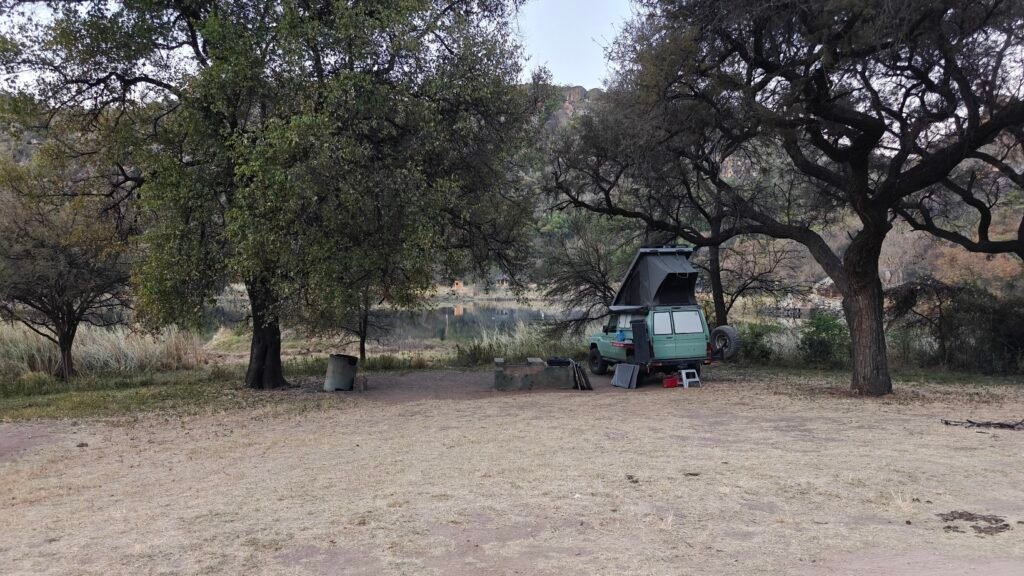
I opted to switched to a functional campsite for my second night and went to what was apparently the only functional campsite in the Park, despite several being listed online and on the maps. To my surprise and misfortune, it turned out that this site, at another reservior, also serves as a major party spot for the local communities, which abut the Park and are close by. Fortunately, the crowds and blarring music faded away by mid evening and left me with a reasonably peaceful lakeside campsite for the night:
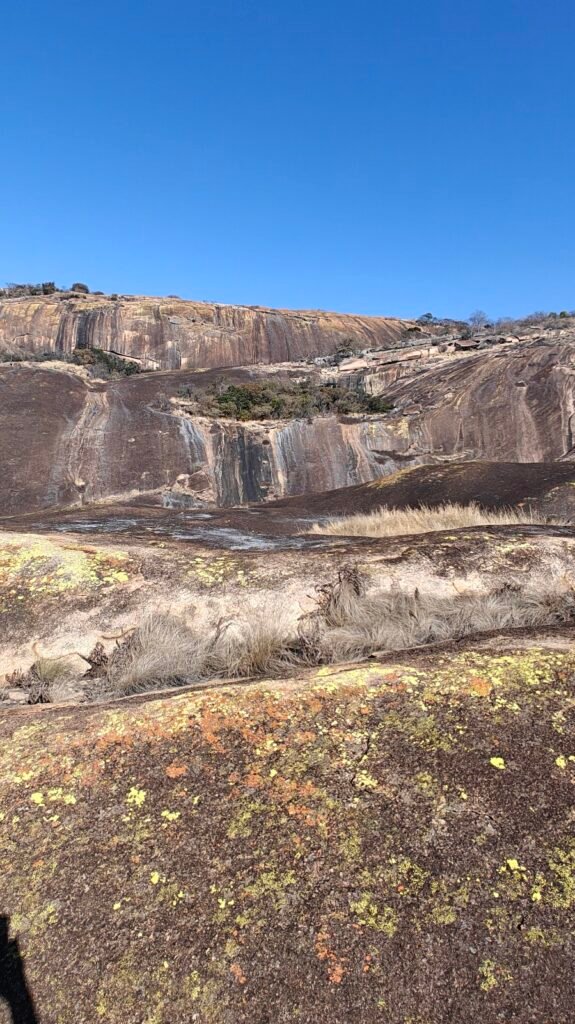
Matobo National Park is known primarily for two things: 1) a wilderness game park serving as a white and black rhino conservation area; and 2) the high density of ancient San (“bushman”) rock art panels in caves and outcroppings. I spent a couple of hours alone behind locked gates in the game park looking for rhinos but was skunked. However, I did mange to visit a few of the many caves in the Park with San rock art. The most spectacular one involved a 12 km hike across rocky hills and along a hard-to-follow and often overgrown trail through the bush up to a hidden cave high up on the face of a giant koppie. The cave with the rock art panel is behind the clump of trees on the face of the koppie in the middle of this picture:
Here’s a closer look at this hidden cave:
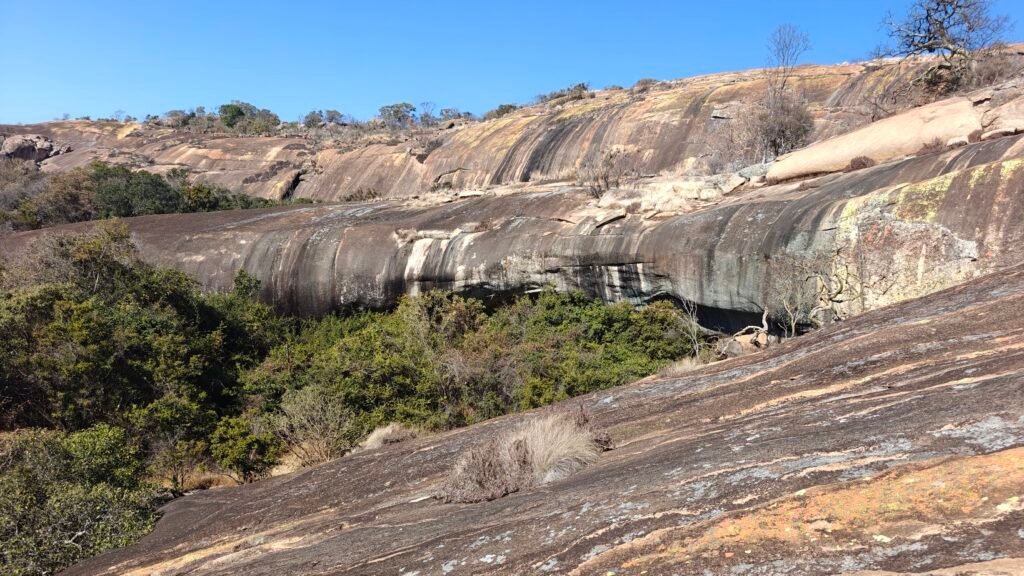
And an even closer look at the cave itself and the rock art panel:
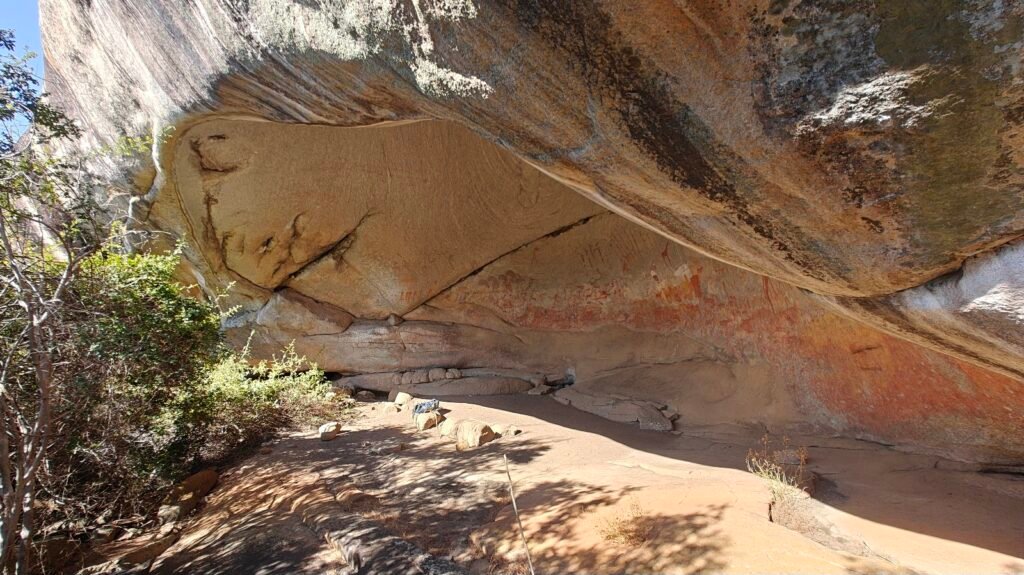
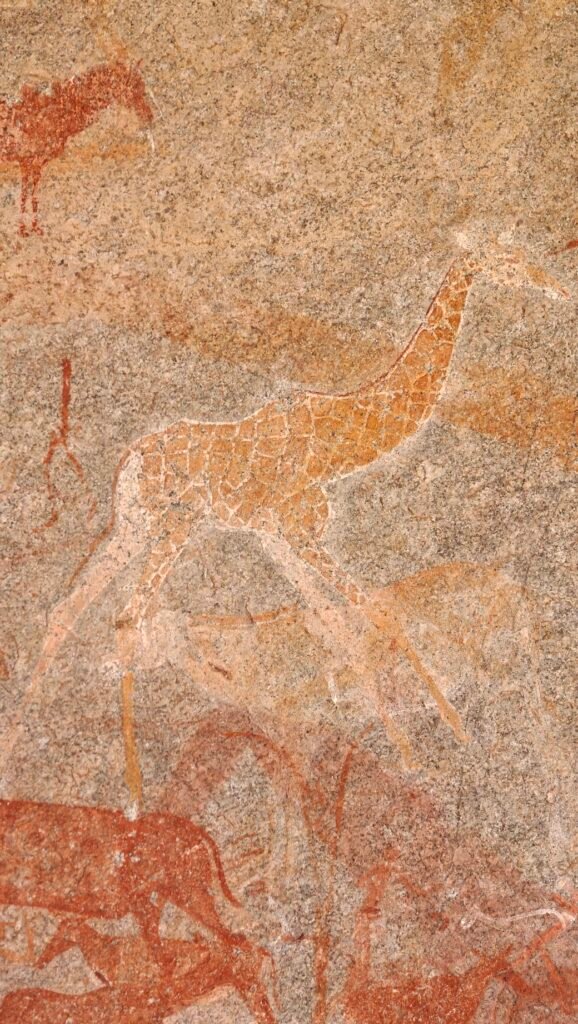
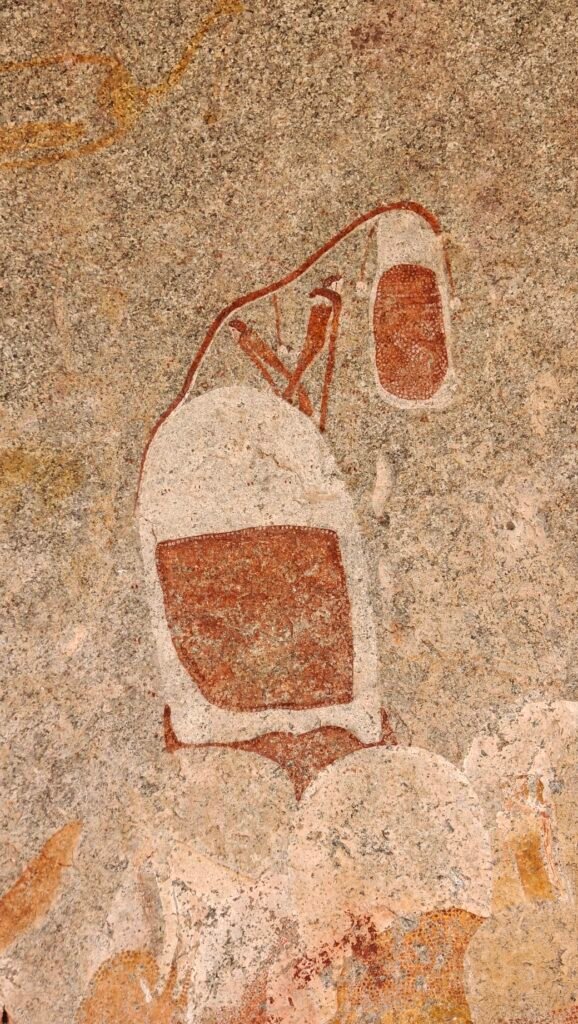
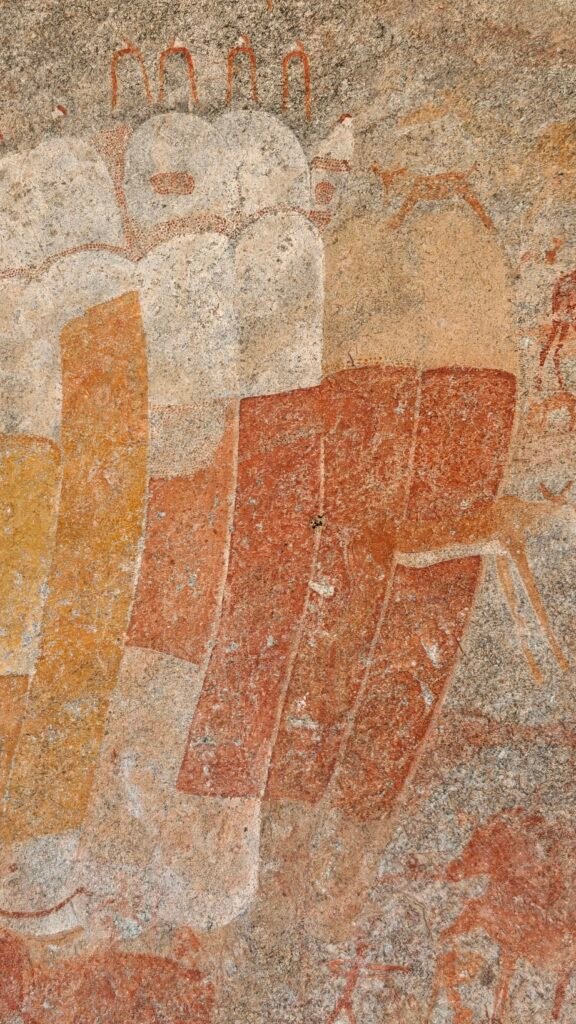
The rock art in the caves of Matobo Hills are estimated to be 2,000 plus years old and were painted over and over in layers over time by the San people, who you will recall by now were the first or original human inhabitants of southern Africa before they were displaced, assimilated, or annihilated by the expanding Bantu tribes from the north, which in the Matobo Hills area was roughly 500 years ago. The rock art panel in Inanke Cave that I hiked to was truly spectacular, and rivaled or exceeded anything I have seen of Anasazi rock art in the American Southwest. The panel itself is probably 40-50 feet long and several feet high and dense with numerous pictographs of all sorts (see if you can identify the representations) and often layered on top of each other, undoubtedly representing artwork laid down at multiple times in the past. Here’s a sampling of the rock art for you rock art enthusiasts (you know who you are!):
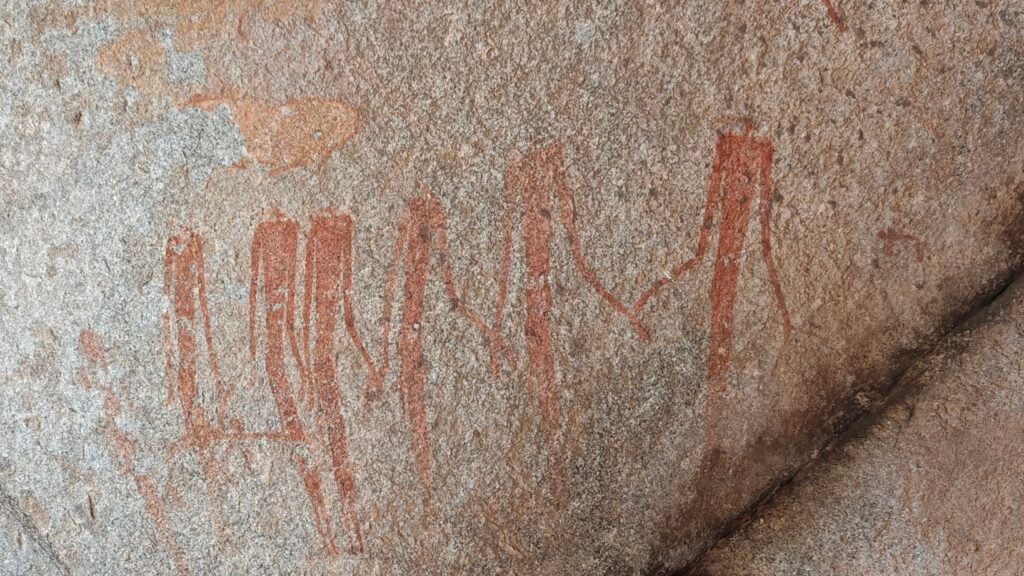
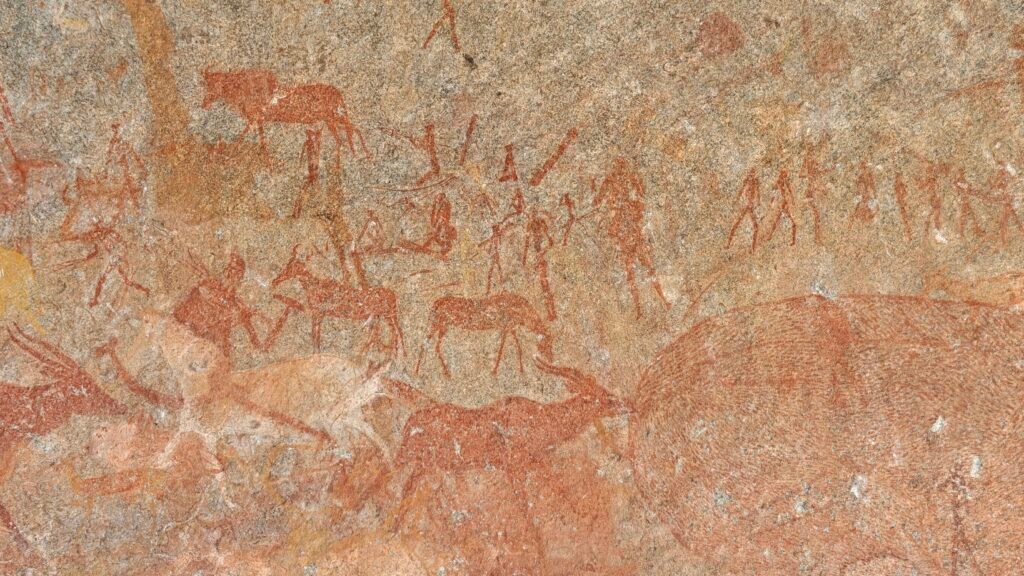
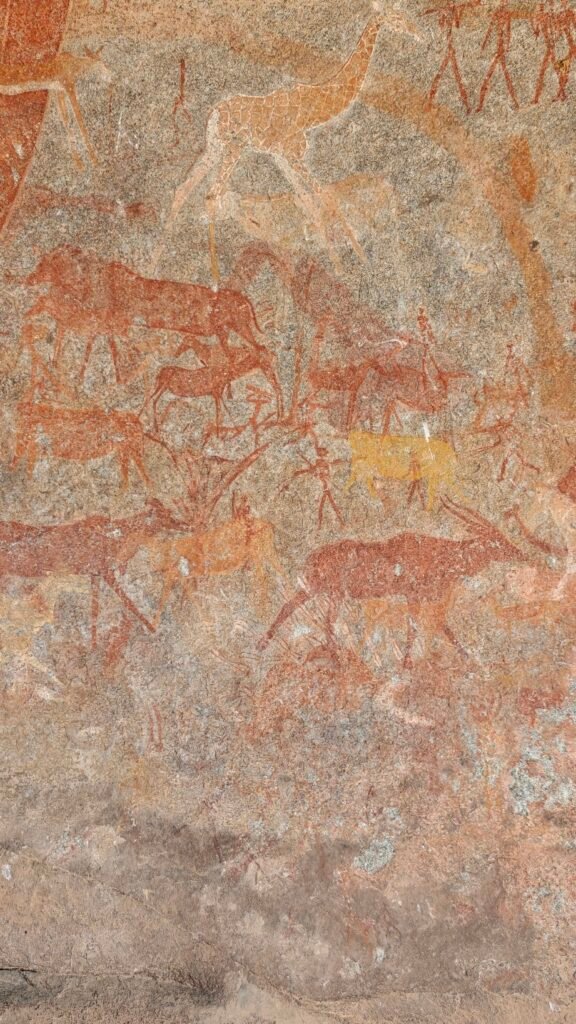
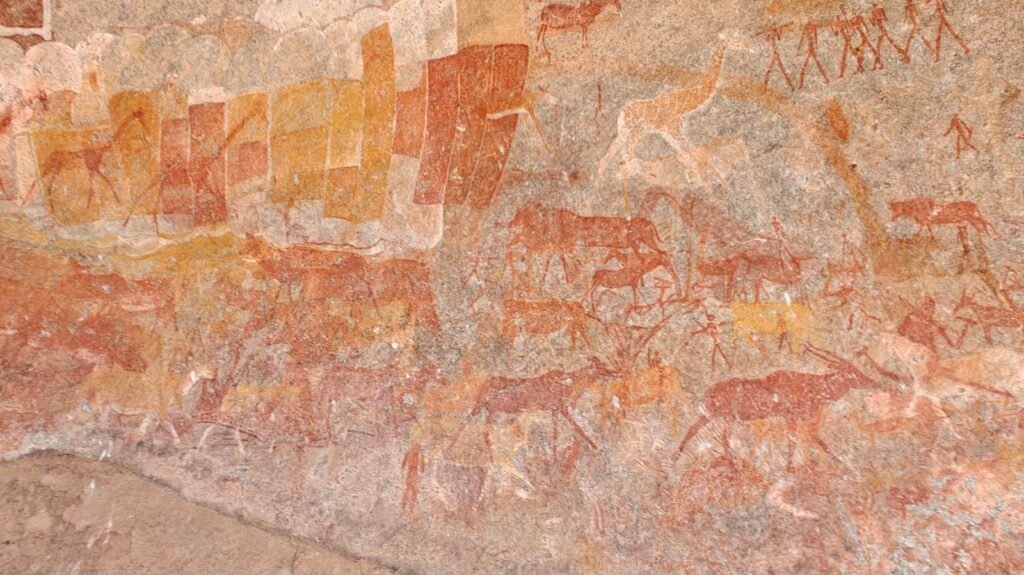
OK, I am off to Gonarezhou National Park for an extended 10 night visit at a suite of exclusive campsites distributed throughout the Park. I am in a lodge/hotel in the town of Chiredzi for the night with Wifi, en route to the Park, so I am able to upload this post. However, I am pretty sure I won’t have any cell service or Wifi while I am in the Park, so you won’t be hearing from me for quite some time. Hope to see you on the other side!
Omgosh Kevin! Just catching up. The San Rock art is so amazing and detailed and beautiful. And sounds like you had it to yourself ! It needs to be protected. Thank you for sharing! Nancy is home now and so we are thinking of you over there. I’ll catch up with the last leg of your adventure soon
Xxoo
Beautiful pictures Kevin. Such dynamic geology. Humbled by the San cave art. Got dizzy on your boat ride video, ha.