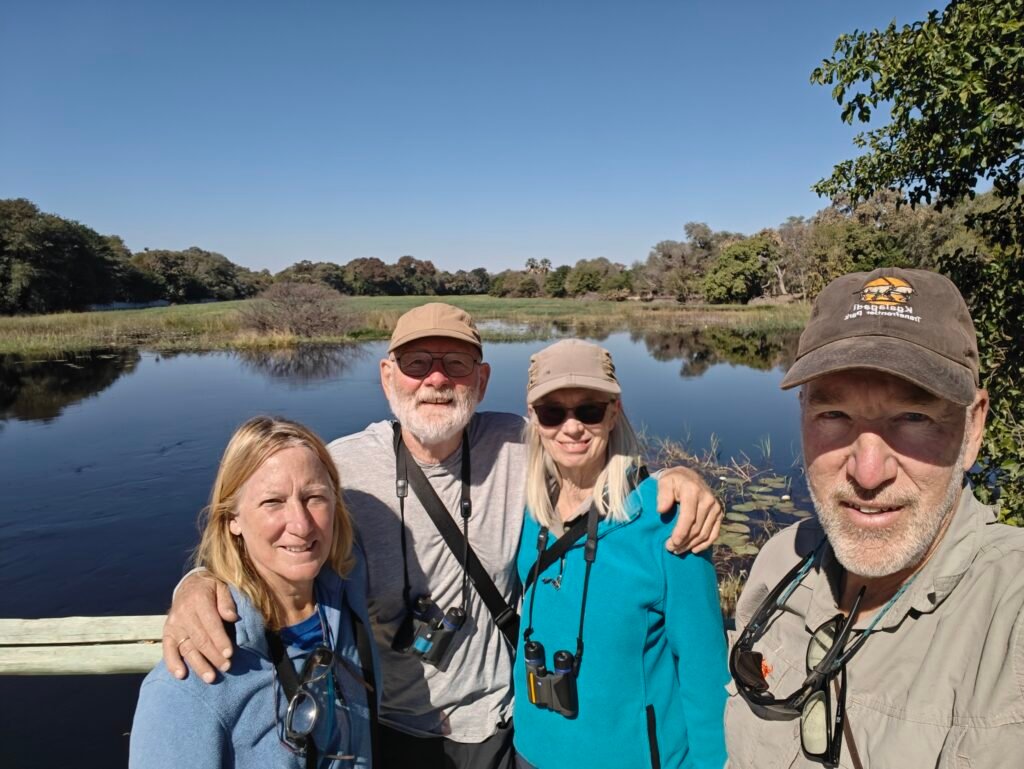
We left the Central Kalahari Game Reserve and headed to Maun to meet up with great friends Frank and Jane, who will share the next leg of our journey with us.
After a couple of days of R&R in Maun, we headed to Nxai Pan National Park. Although Nancy and I have visited Nxai Pan National Park on at least 3 or 4 previous occasions, I have not been back to this Park since I started this blog in 2023. Hence, I don’t have a previous post to refer you to for more background information, although it is very similar to my previous post on the nearby Makgadikgadi Pans National Park, as described in the following post:
overlandwithkmcgee.com/june-7-8-makgadikgadi-national-park/
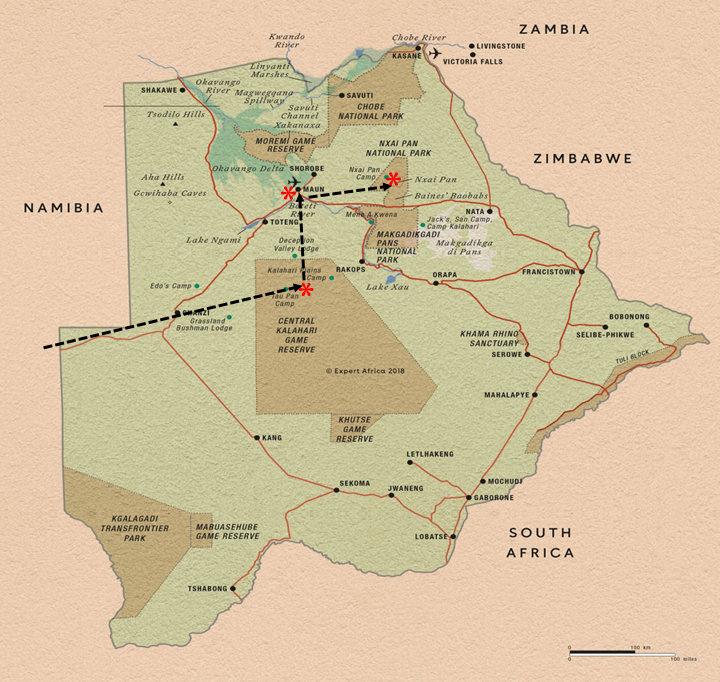
Nxai Pan National Park is located in north-eastern Botswana, as the map above shows, and was established in 1992. It encompasses roughly 995 square miles and consists of Nxai Pan (a fossil lake bed), which is one of the aggregation of Makgadikgadi salt pans, as well the intervening thornveld and the famous Baines Baobabs, named after Thomas Baines, who first described and painted the grove of 800-1,000 year old trees in 1862.
Makgadikgadi pans, including Nxai Pan, are all that remains of the formerly enormous Lake Makgadikgadi, which once covered an area larger than Switzerland, but dried up tens of thousands of years ago. The Park covers only a small portion of ancestral Lake Makgadikgadi and its vast pans (which dwarf the Great Salt Lake in Utah), which are all part of the Kalahari Desert basin. As the ancestral Lake shrank, it left relic shorelines, which are still evident in the southwestern part of the basin, and numerous smaller lakes formed with progressively smaller shorelines. The pans themselves are salty desert whose only plant life is a thin layer of blue-green algae. However, the fringes of the pan are salt marshes and further out these are circled by grassland and then shrubby savanna and thornveld.
The sheets of water that cover the pans during the first few months of wetter years during the “wet” season (November to March) attract a phenomenal marvel of water birds and large herds of mammals. The arrival of this water stimulates the birth of millions of tiny shrimps and other crustaceans otherwise lying dormant below the white salt crust (see photo below). Greater and Lesser flamingos arrive in the tens of thousands, even journeying from as far off as the Great Rift Valley in East Africa to partake in one of Africa’s largest avian feasts.
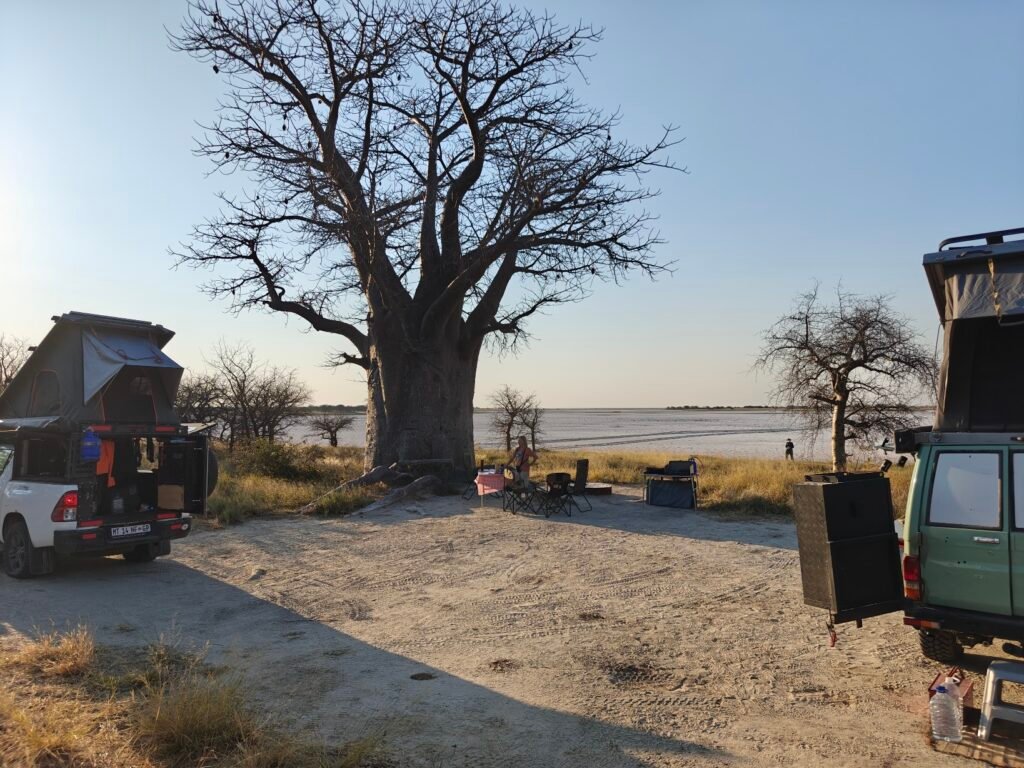
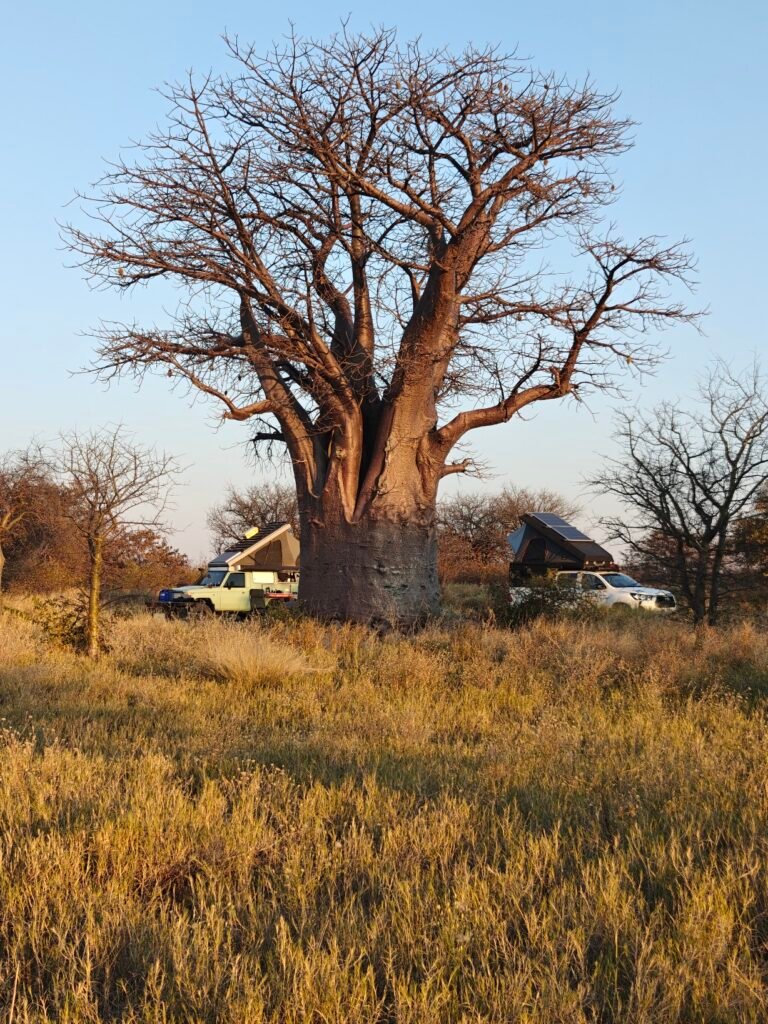
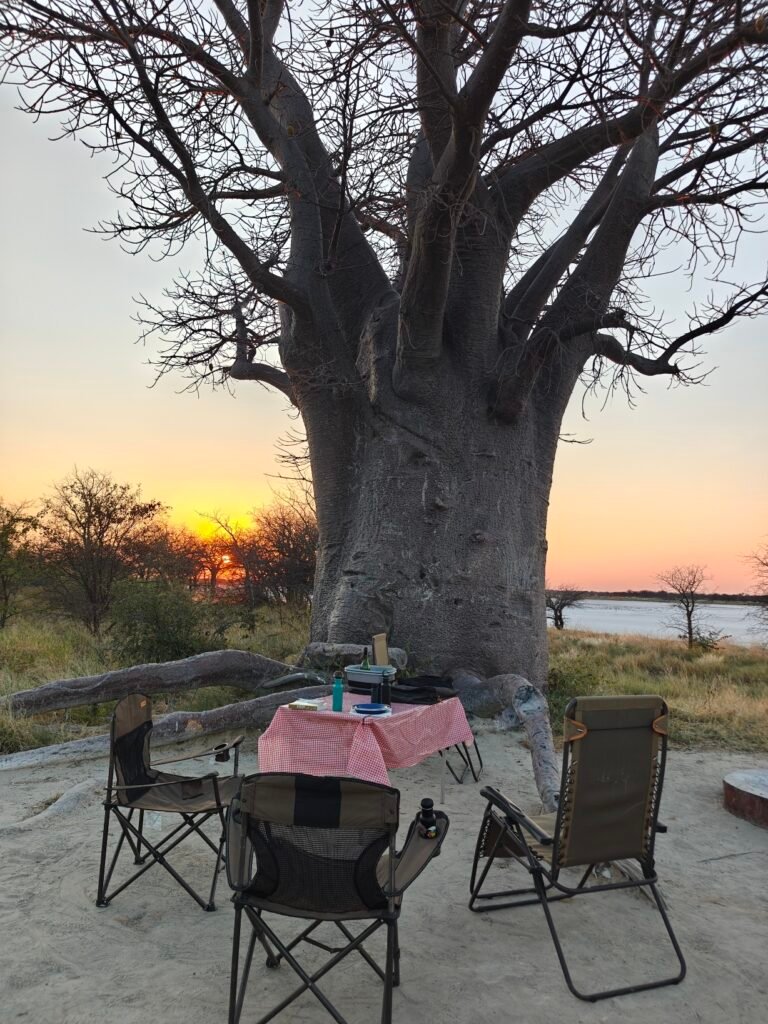
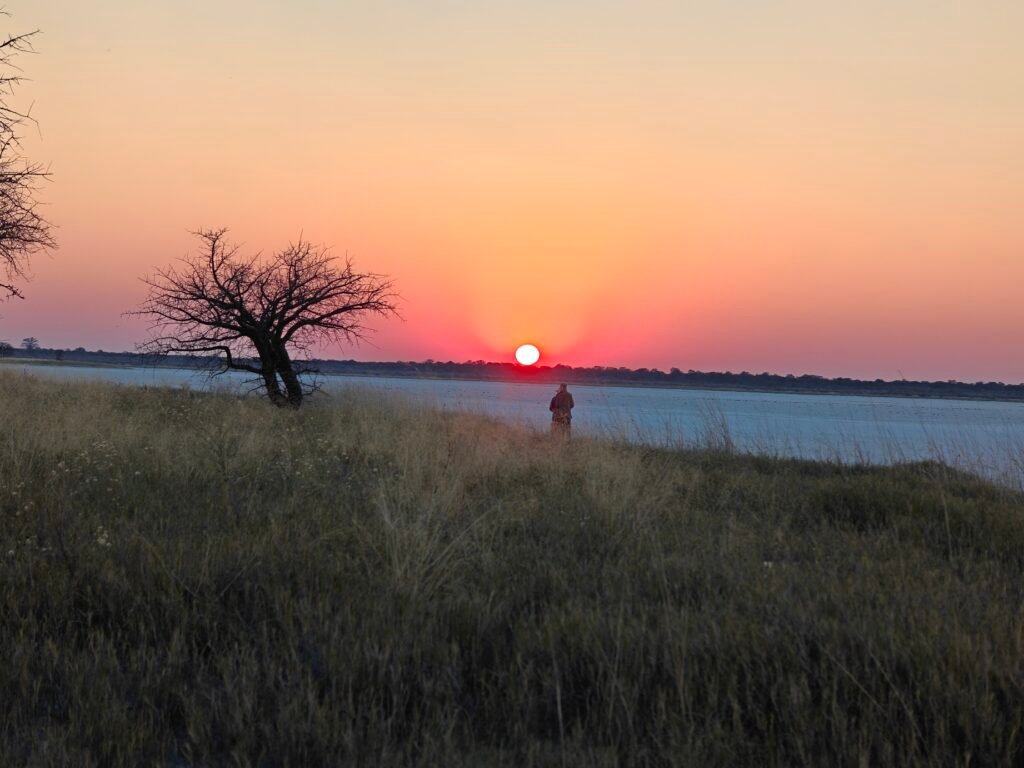
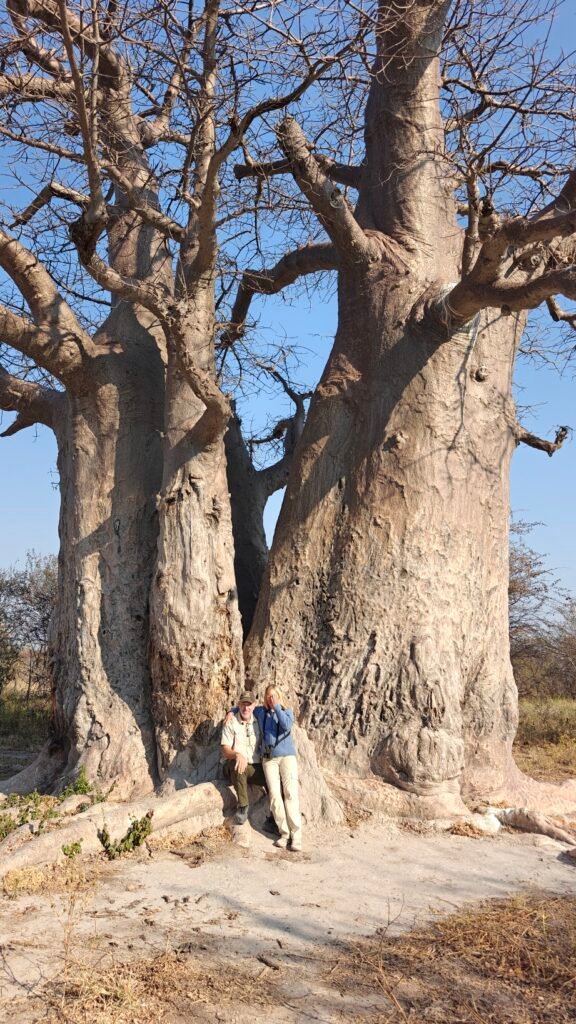
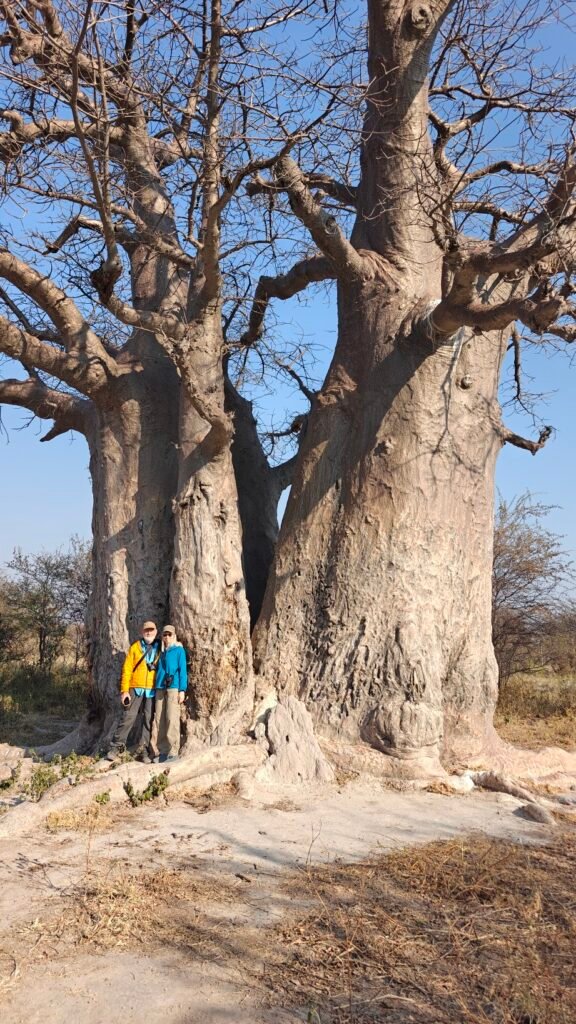
Our first stop in Nxai Pan was a night at the famous Baines Baobabs, made famous by the description and painting of this Baobab grove by Thomas Baines in 1862. The Baines Baobabs are anywhere from 1,000 to 6,000 years old according to various sources. Regardless of their true age, they are giants among the trees of the African Savannah. The grove of baobabs borders an extensive salt pan. Here’s a few pictures of these magnificant trees and the adjacent salt pan:
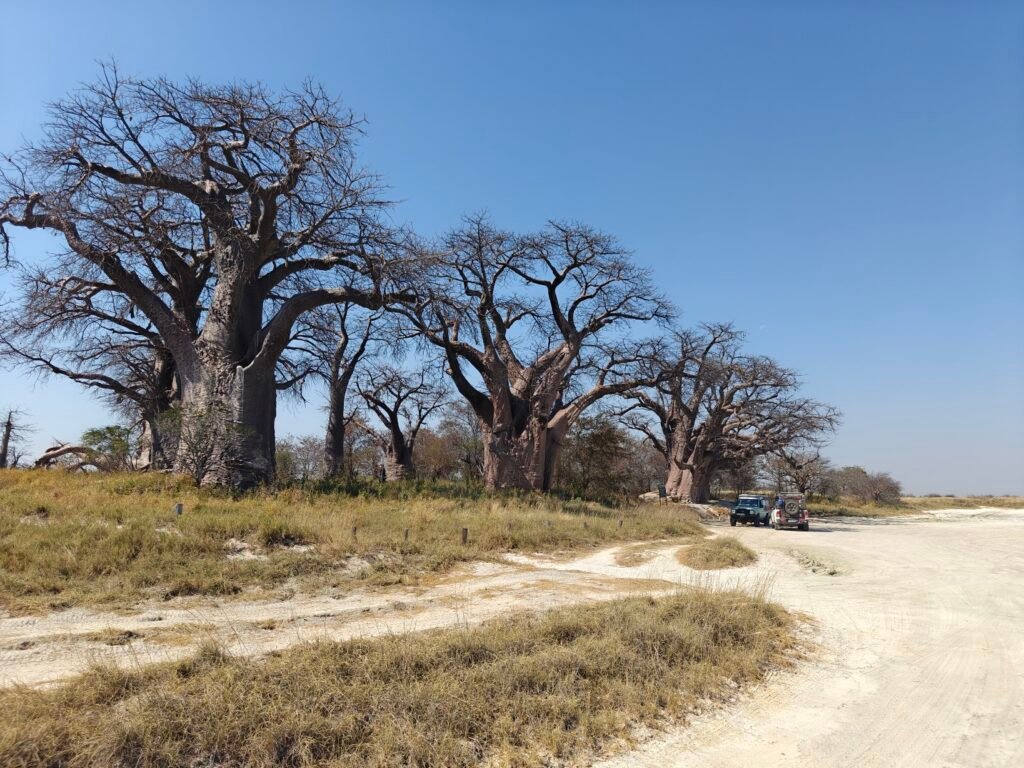
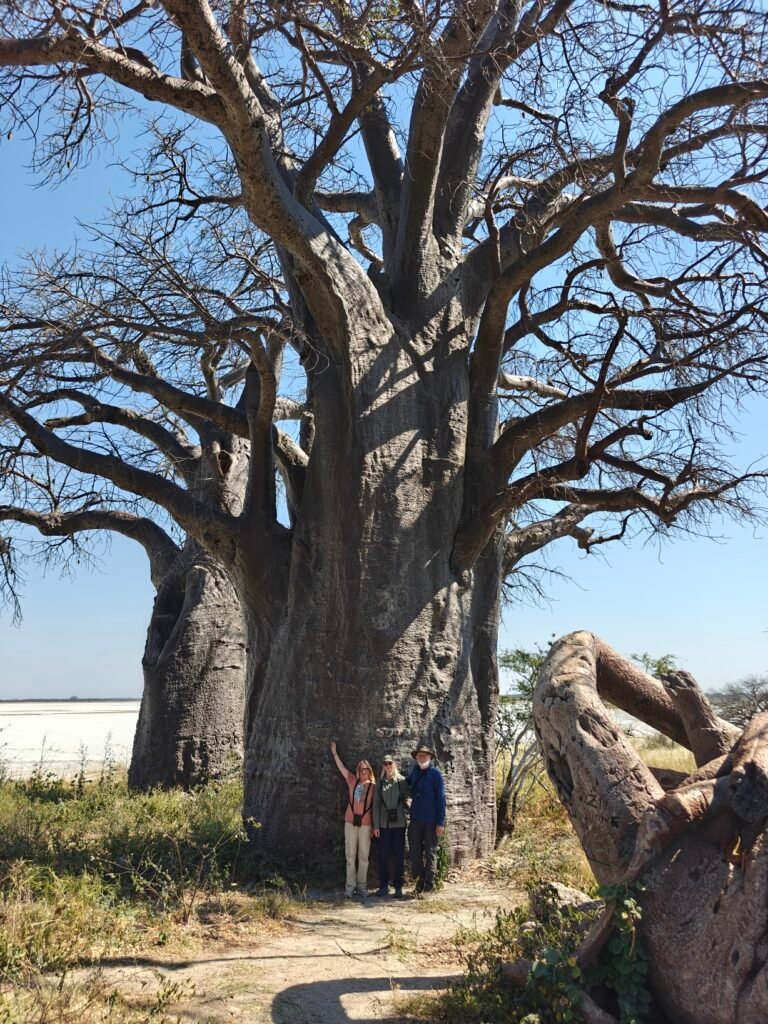
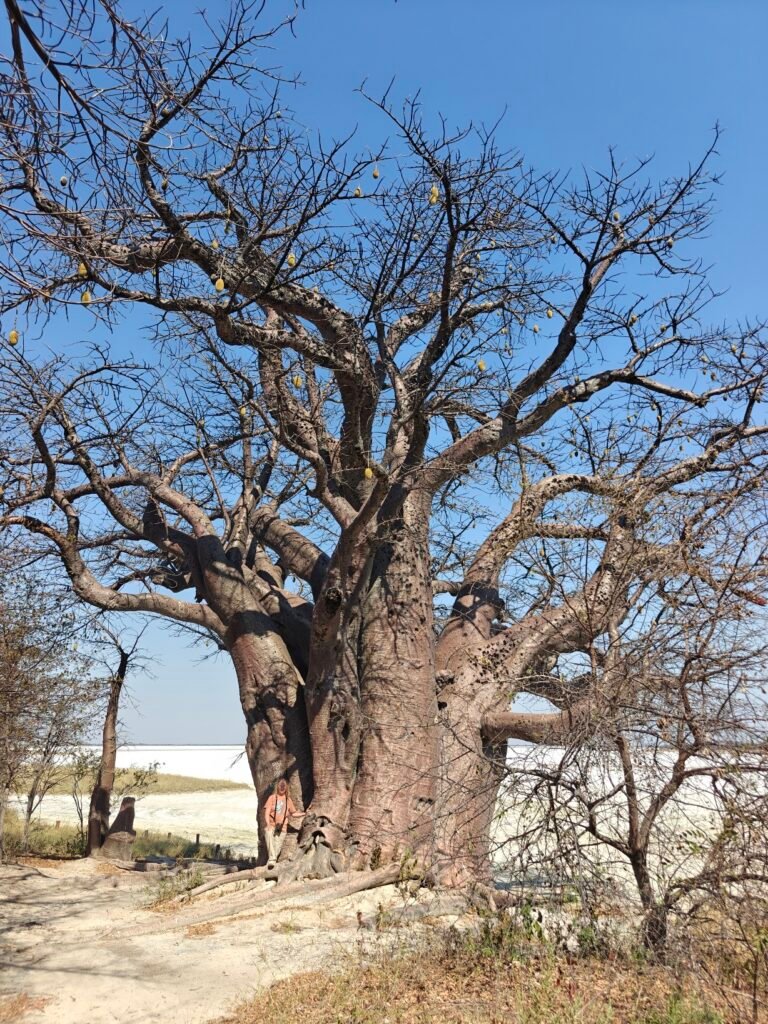
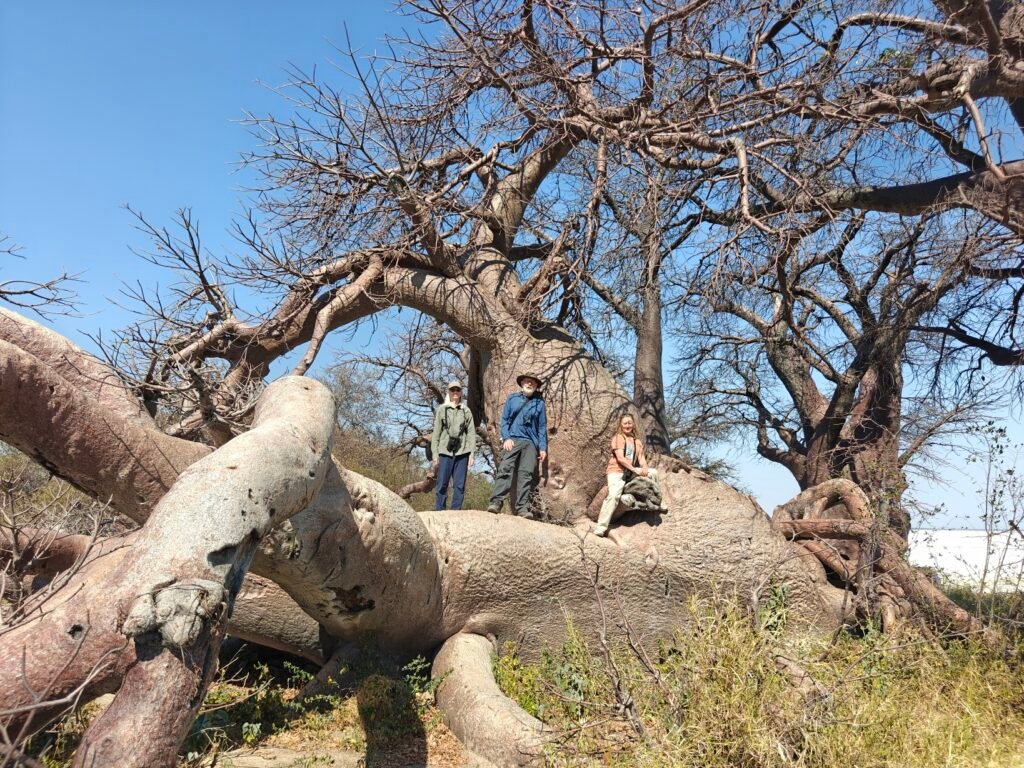
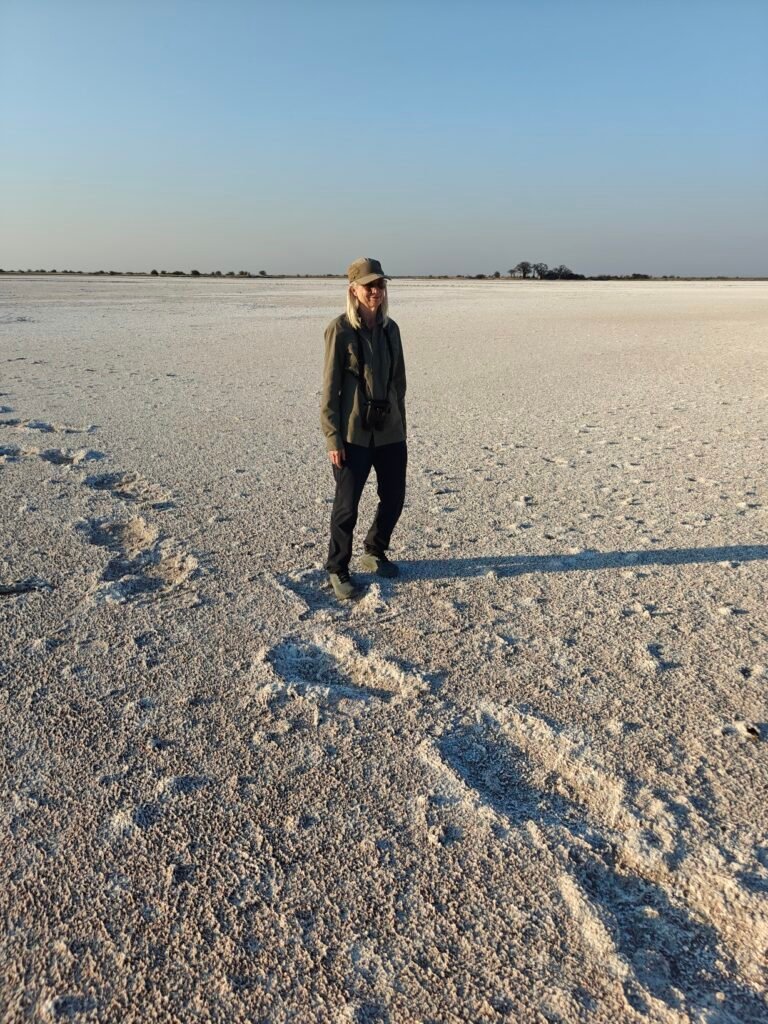
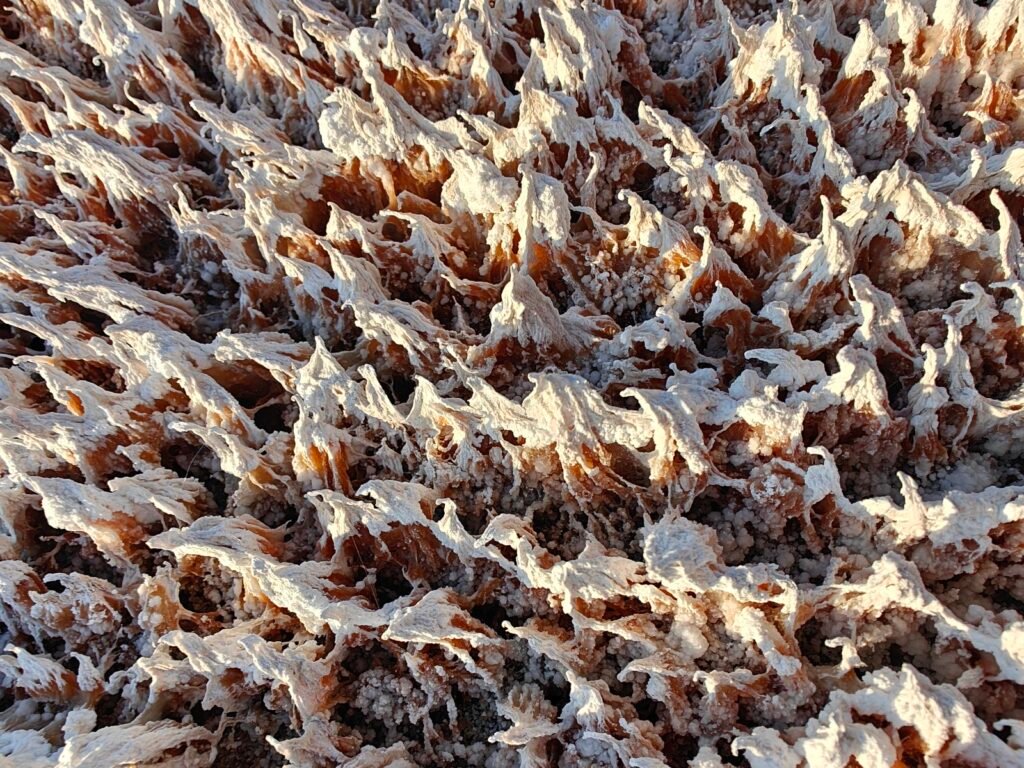
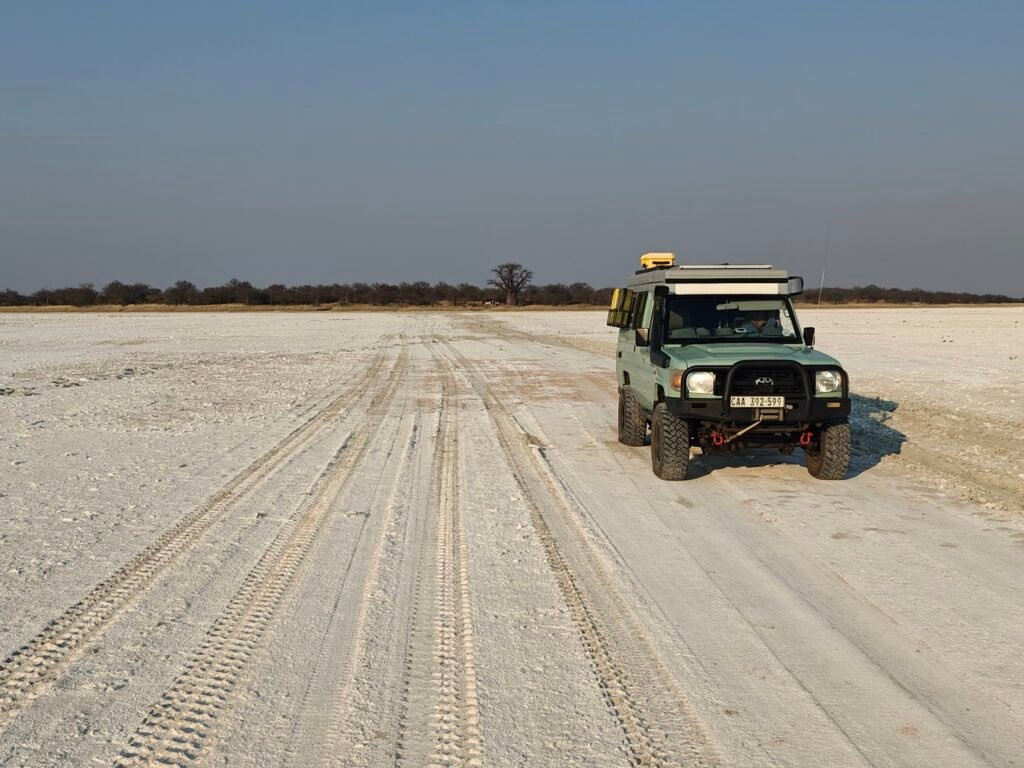
Our campsite was situated on a small island in the middle of the great salt pan bordering Baines baobabs. Our site was magically located beneath a giant baobab on the edge of the salt pan. The site afforded us a front-row seat to an amazing sunset over the Pan.
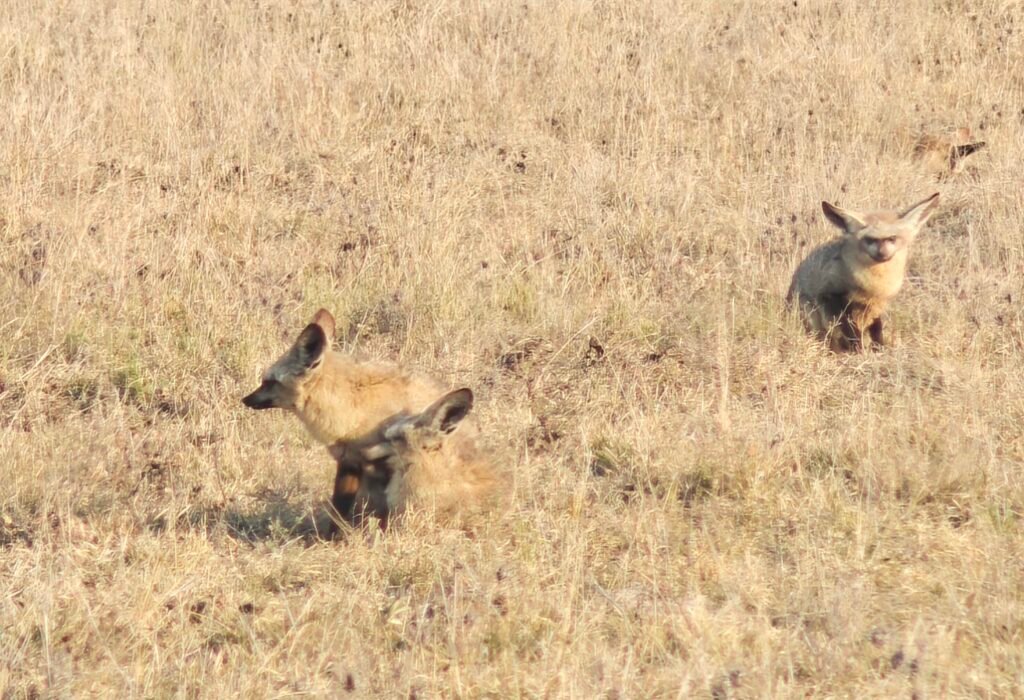
Our final destination in Nxai Pan National Park was Nxai Pan itself. Unlike the salt pan bordering Baines baobabs, Nxai Pan is largely expansive grassland with some scattered embedded thornveld (shrubs) and Acacia woodlands. Aside from the beauty of the Pan itself, one of the fantastic things about this Pan was the phenomenal number of Bat-eared foxes we observed. We usually work pretty hard to see bat-eared foxes on our late-afternoon and early-morning safaris and often come up empty. This time, however, we must have seen 50 or more foxes, usually in groups of 2-6 actively foraging for ants and other soil invertebrates.
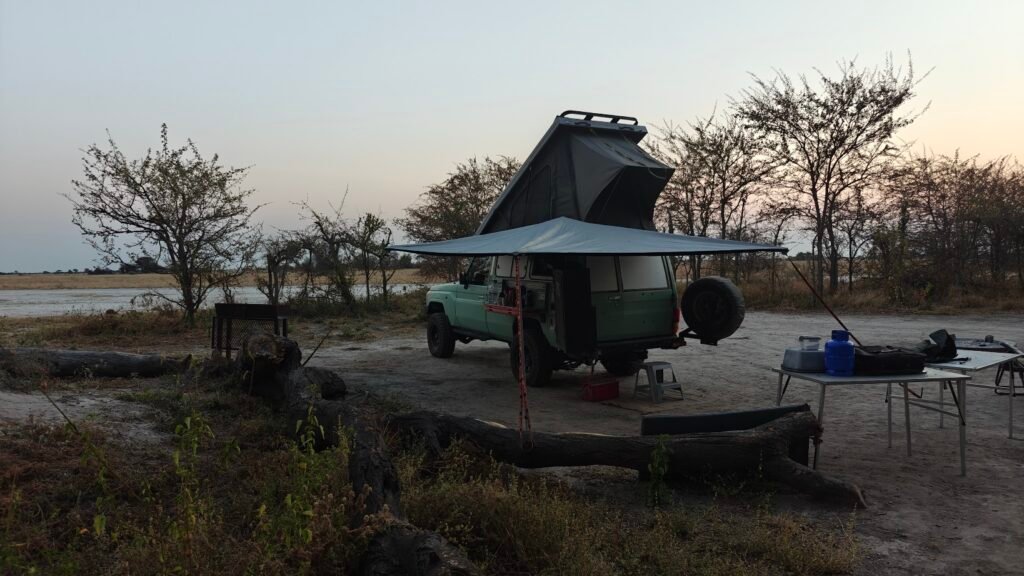
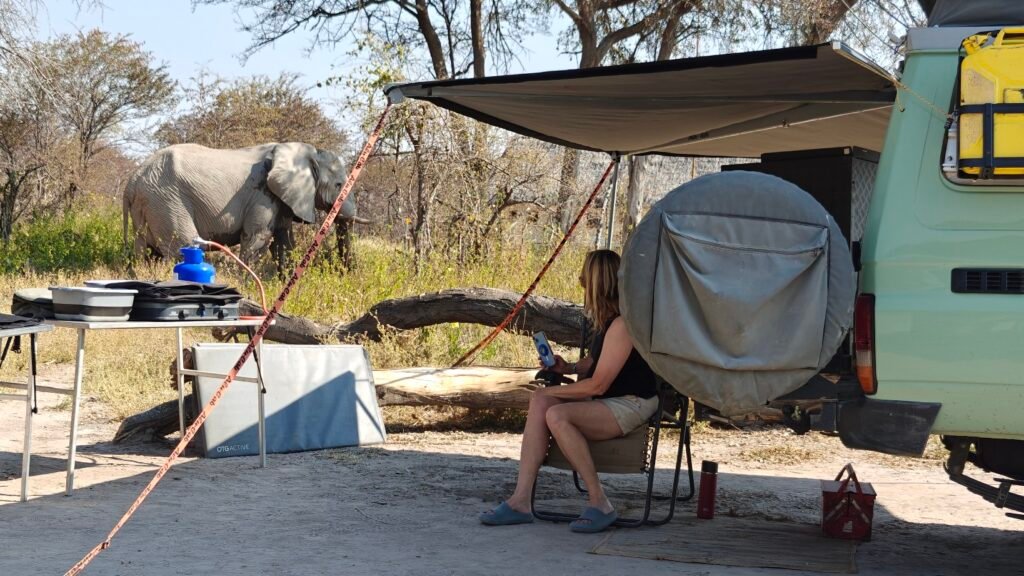
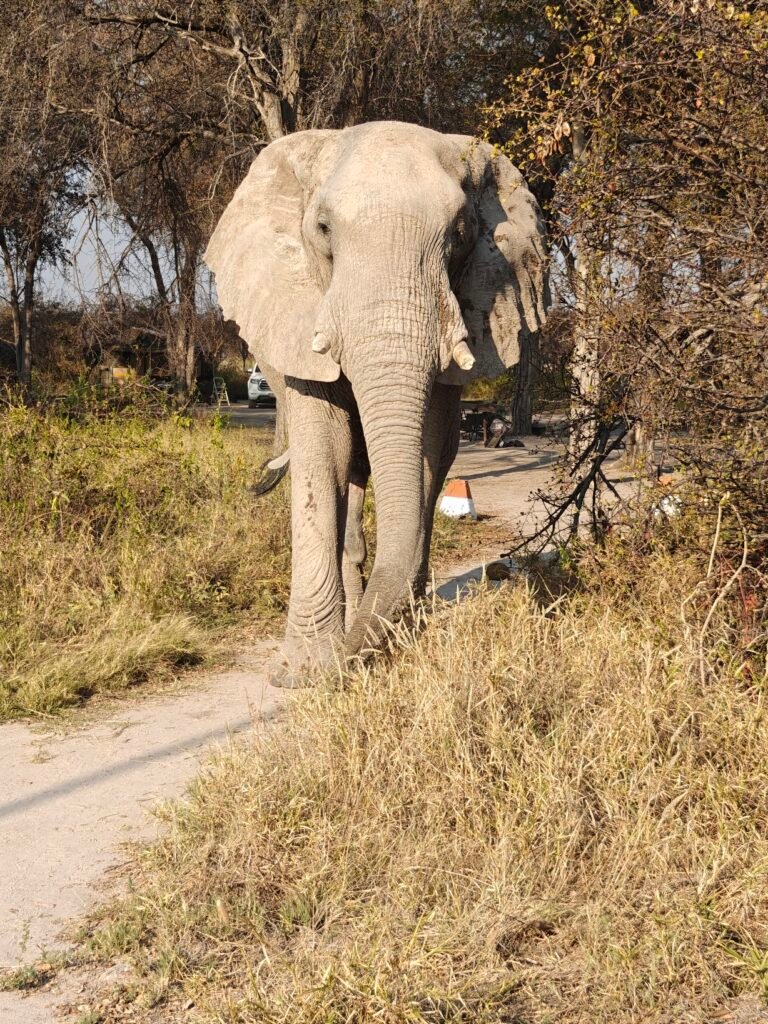
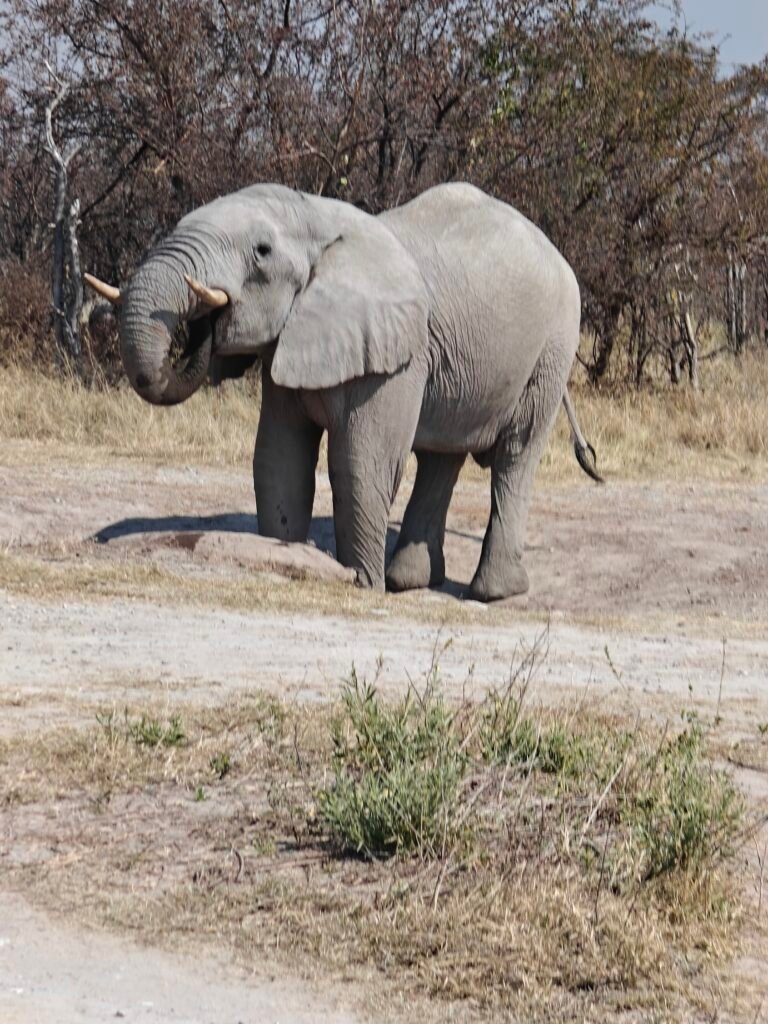
Our campsite at Nxai Pan was also quite exciting on a number of fronts. Our site was situated on the edge of the Pan, but also adjacent to the Ablutions (toilets, showers and wash basins). The proximity to the Ablutions afforded us front-row seats to a steady stream of bull elephants to and from the bush to the grey water discharge of the ablutions (yuck). We had elephants passing by on both sides of us. At one point, Jane even got trapped at the ablution for a while when a young bull descided to stop and browse a while right outsite the entrance to the facility.
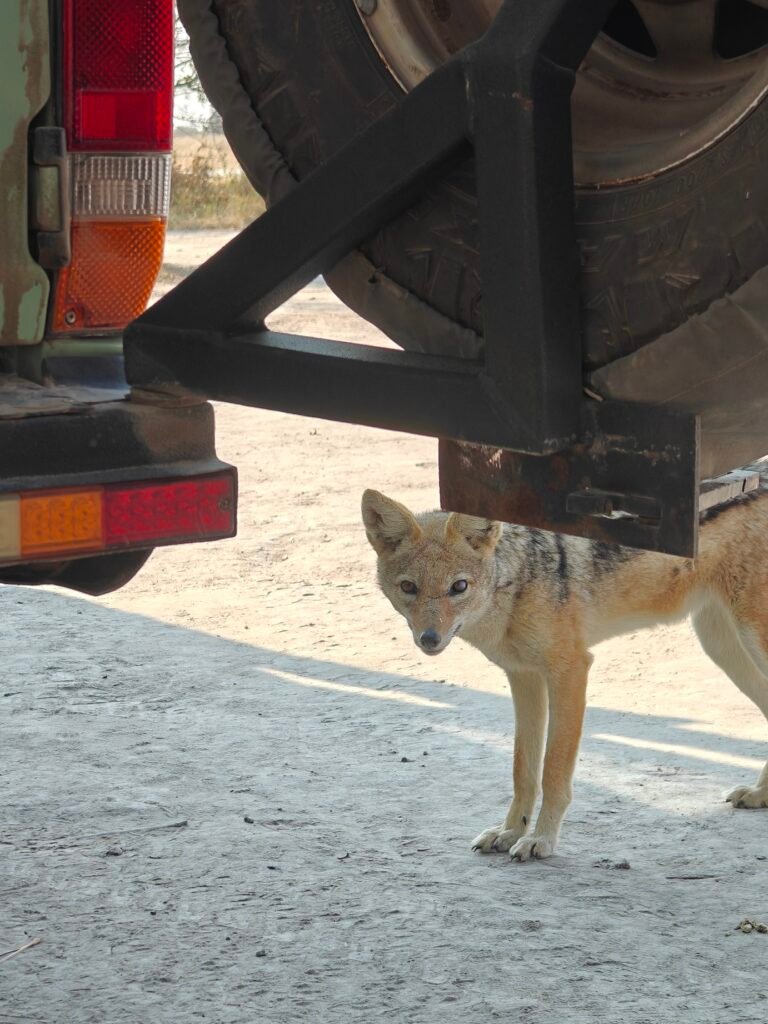
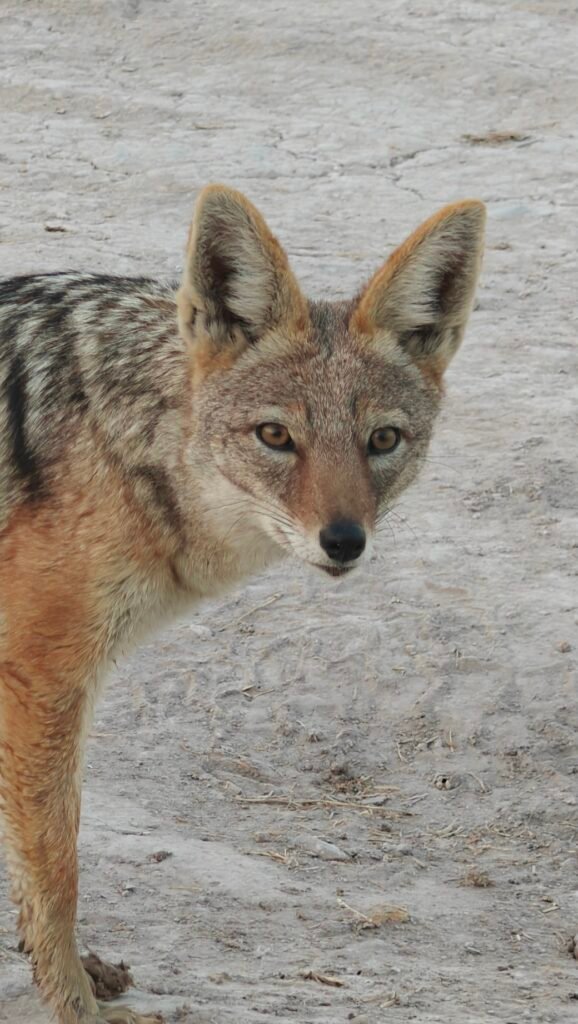
Another visitor to our campsite was a pair of black-backed jackals that kept almost constant vigil in our campsite and became quite a nuisance, as we were unable to encourage them to leave us alone and they were extremely bold. We had to constantly chase them away from our camp tables and keep close guard on all of our non-edibles (e.g., shoes) as well. This was the first time on safari in Africa that I had to worry about jackals stealing food and everything else within 4 feet of the ground in my campsite.
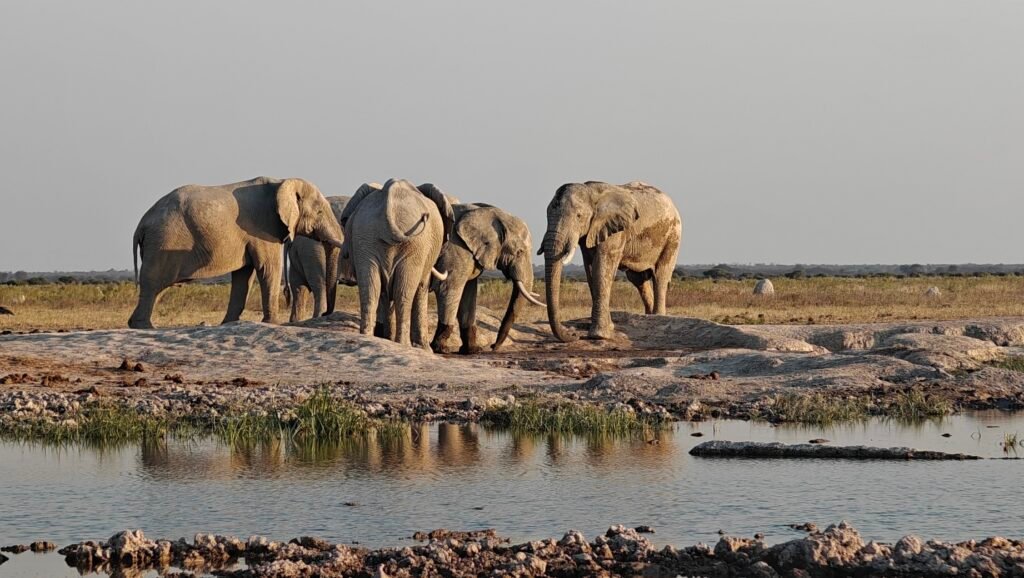
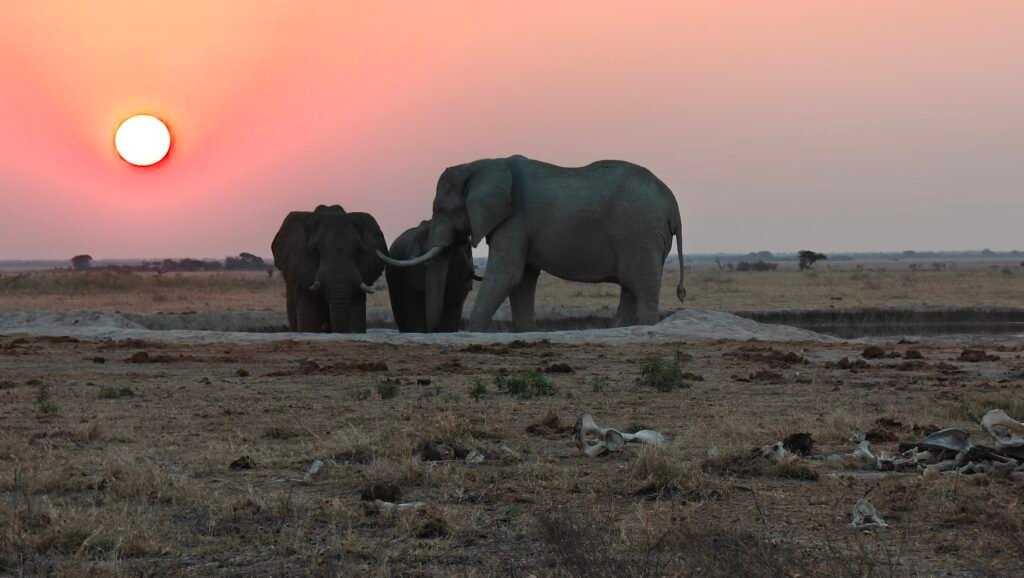
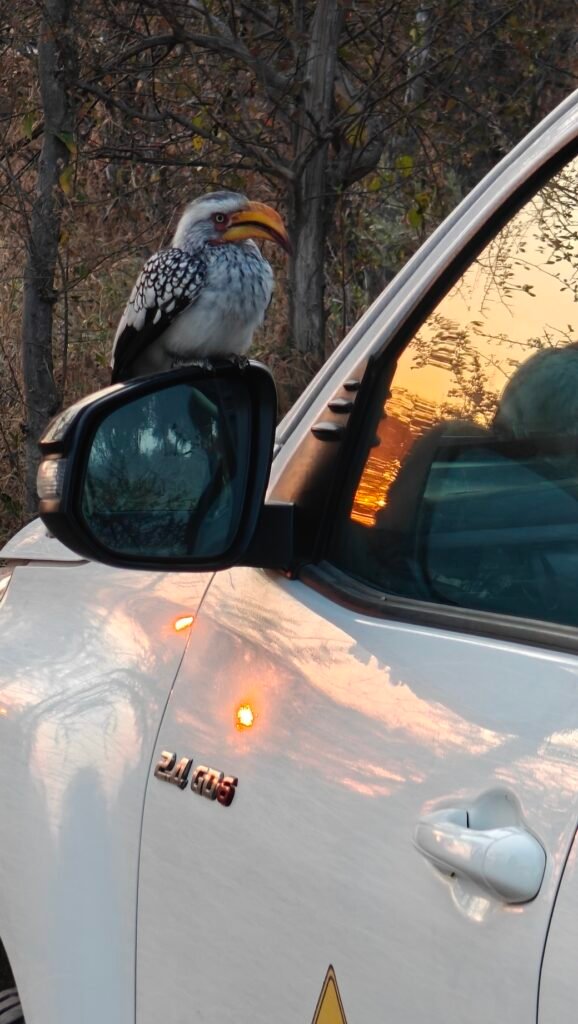
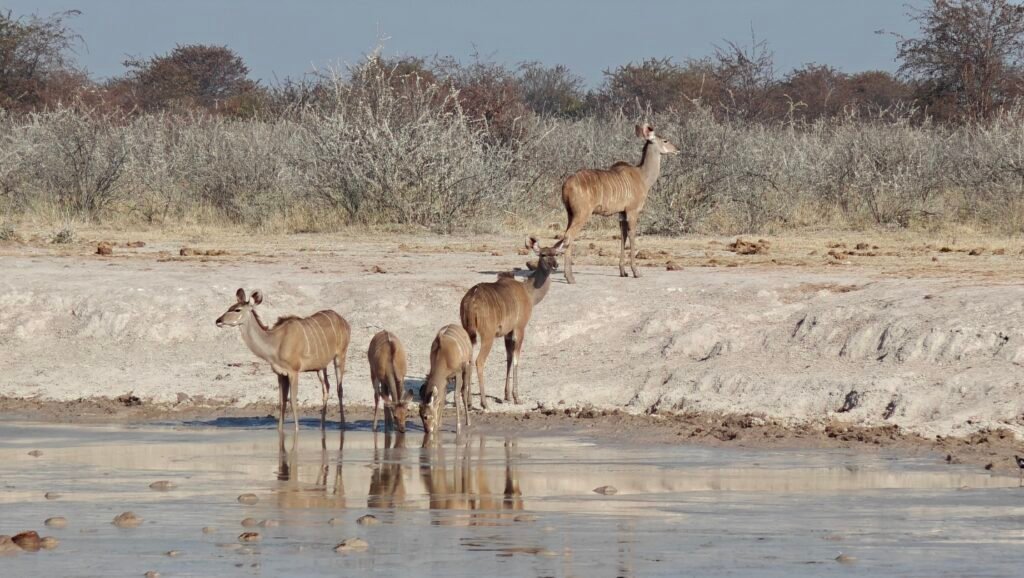
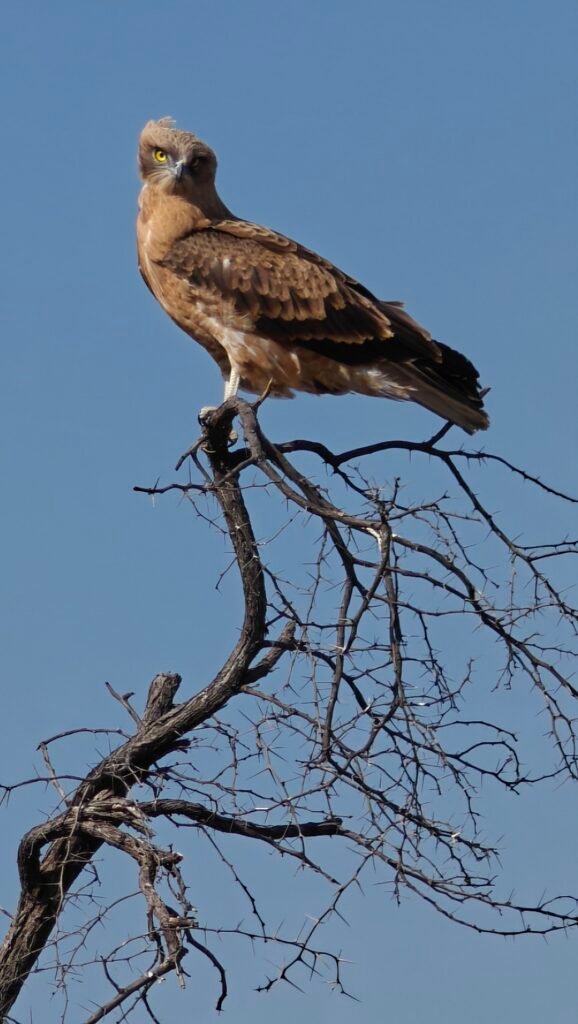
Otherwise, our safaris at Nxai Pan were delightful and included visiting same large baobabs, watching bull elephants at a waterhole before and during sunset, and finding new bird species for Frank and Jane. Here’s a few pics:
Here’s a short 4-minute composite video of a few highlights of our visit to Nxai Pan, including Nancy driving the Green Dragon on the salt pan, the mosts amazing and dazzling mating ritual of a pair of Ostriches (a must see), and some visitors to our campsite:
Ok, that’s all for our 3 -night visit to Nxai Pan National Park. Next, we are off to Zimbabwe and a 7 night journey to Kazuma Pan and Hwange National Parks for some very remote and exclusive camping without cell service or Wifi. So, don’t worry when you don’t hear from us for a week or more. Unless we have been eaten, all is well. See you on the other side!
Wow ! Those baobab trees are huge! Are they hollow inside? They must support a lot of wildlife. How cool is that and one right in your campsite. Love the sunset picture with elephants. Were you at this pan during the wet season last time you went? The birds must be incredible
Xxoo
Wow ! Those baobab trees are huge! Are they hollow inside? They must support a lot of wildlife. How cool is that and one right in your campsite. Love the sunset picture with elephants. Were you at this pan during the wet season last time you went? The birds must be incredible
Xxoo