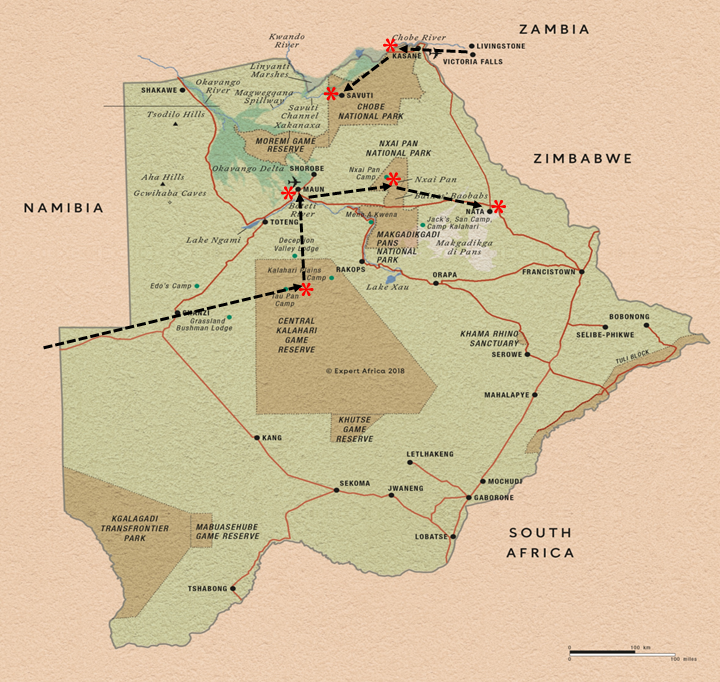
We left the Chobe Riverfront and headed south to the remote interior of Chobe National Park to the region known as Savuti:
Once again, if you want more background information on Chobe National Park and Savuti, I refer you to my 2023 post:
overlandwithkmcgee.com/june-18-20-untrammeled-savuti/
Also, watch this video if you want to witness a huge bull elephant nearly stepping on us at our campsite, not with any ill intent, but rather as it picked up Camelthorn Acacia seedpods on the ground at our feet after shaking the massive tree to fell the seedpods – and watch Nancy and Kirsten’s nerves of steel as this massive elephant came within inches of them.
Briefly, Chobe NP, at 4,570 sq. mi, was established in 1967 as Botswana’s first national park and abutts the Okavango delta. Chobe NP is probably best known for its spectacular elephant population of over 50,000 today, which is considered to be the highest elephant concentration in all of Africa. Savuti is located in the remote interior of the Park, and it requires driving 100 km or so on sand tracks, some soft and some hard, which can be tiring for the less adventurous has an interesting natural history. Savuti is centered around a relic marsh from a large inland lake formed in what is known as the Mababe Depression, whose water supply was cut a long time ago by plate tectonics. Nowadays the “marsh” is fed by the erratic Savuti Channel, which runs for 62 miles from the Chobe River and dries up for long periods, then curiously flows again as a consequence of subtle tectonic activity in the area in addition to years of extremely high precipitation. The channel started flowing again sometime around 2008 and in January 2010 reached Savuti Marsh for the first time since 1982, but stopped flowing again in 2015. Water hasn’t reached the “marsh” since then. Consequently, the so-called “marsh” is currently a dry grassland plain for most of the year. See my previous post for a great birds-eye view of what this unique “marsh” looks like when the channel is flowing and the marsh starts to form on the plain.
We were extremely hopeful that the channel would be flowing with water all the way to the “marsh” this year giving the extreme flooding in the watershed a few months before we arrived. Alas, the water did start flowing down the Savuti Channel but did not make it very far and thus did not make it all the way down to the “marsh”. Indeed, we saw no signs of water in the channel where we crossed it. However, we did find numerous natural pans filled with water throughout the area. This was both positive and negative. On the positive side, the abundance of waterholes meant that wildlife had easy access to abundant water, which bodes well for survival and recruitment. On the negative side, the wildlife was quite dispersed since water was widely available, which made sightings at waterholes much more limited.
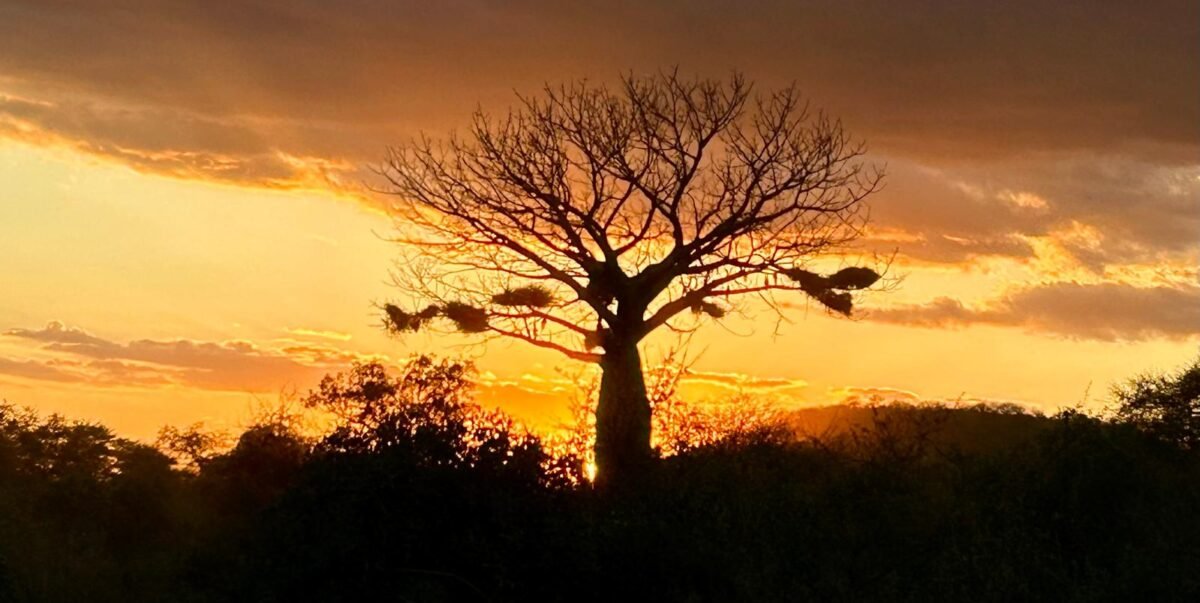
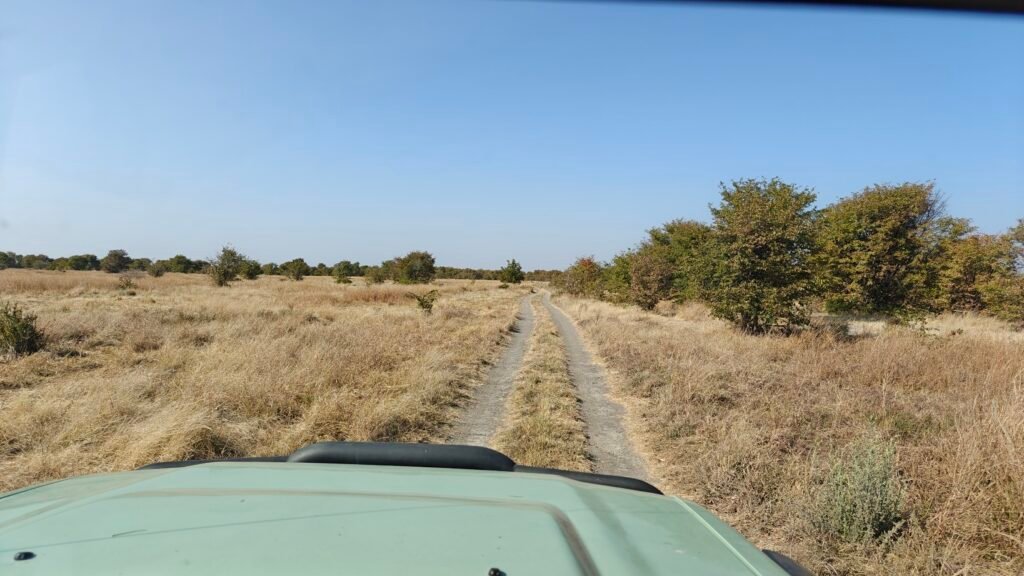
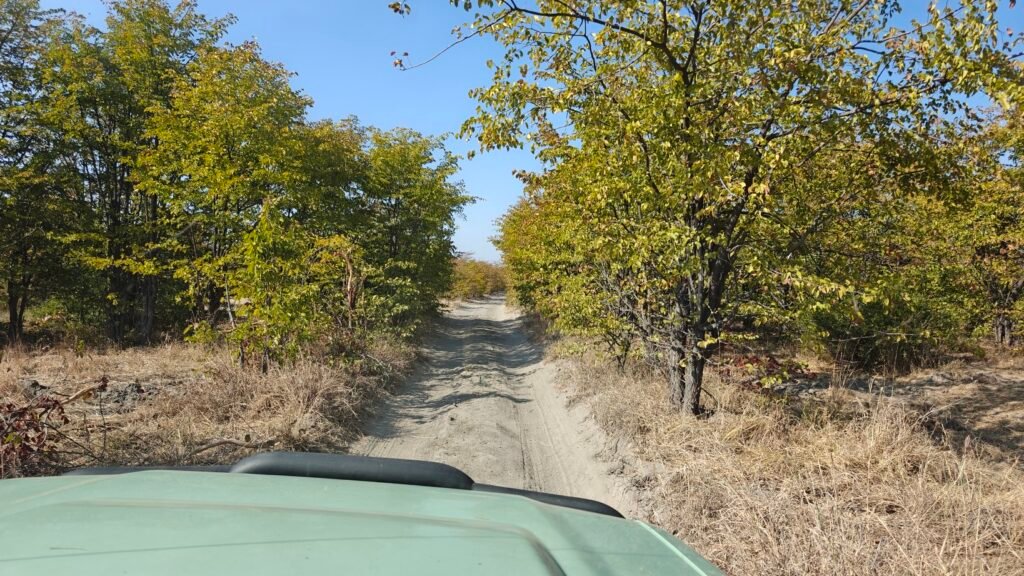
The landscape around Savuti is exceptionally diverse, from the extensive grassland of Savuti “marsh”, Acacia and Mopane Woodlands surrounding the “marsh”, waterholes (both natural and artificia) scattered about (both natural and artificial), Baobab groves, and stunning “Kopies” or “inselbergs” (i.e., rocky hills that rise up abruptly from the surrounding plains). Here’s a few photos:
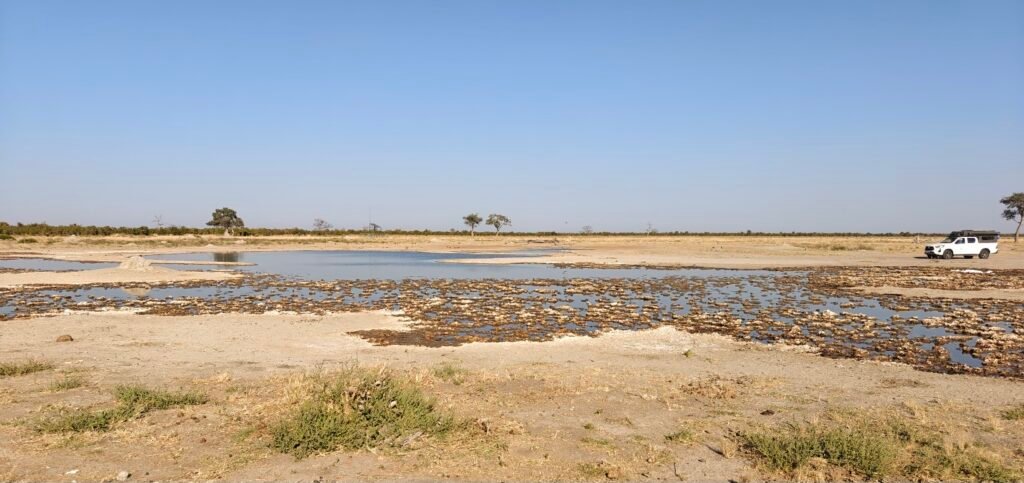
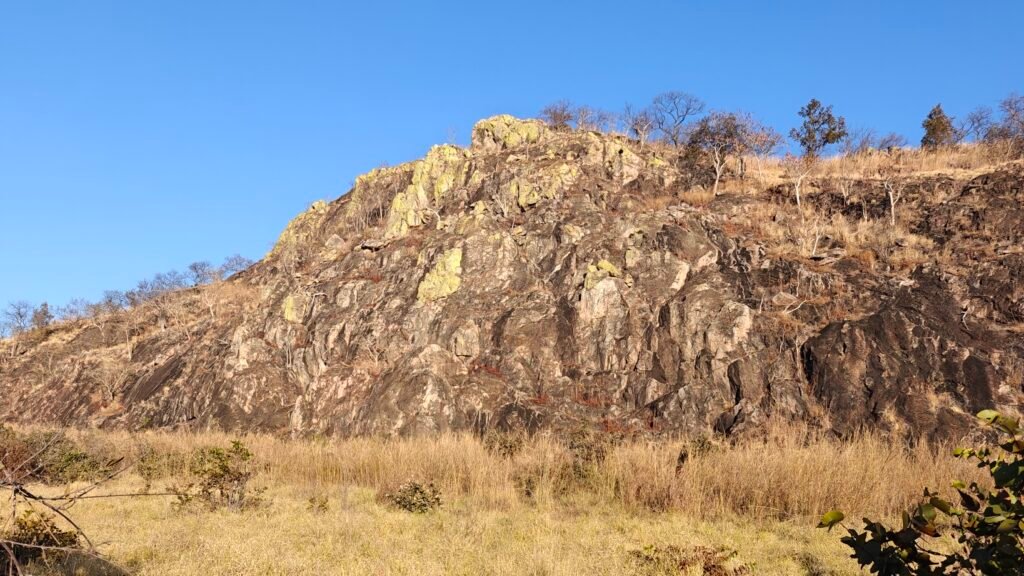
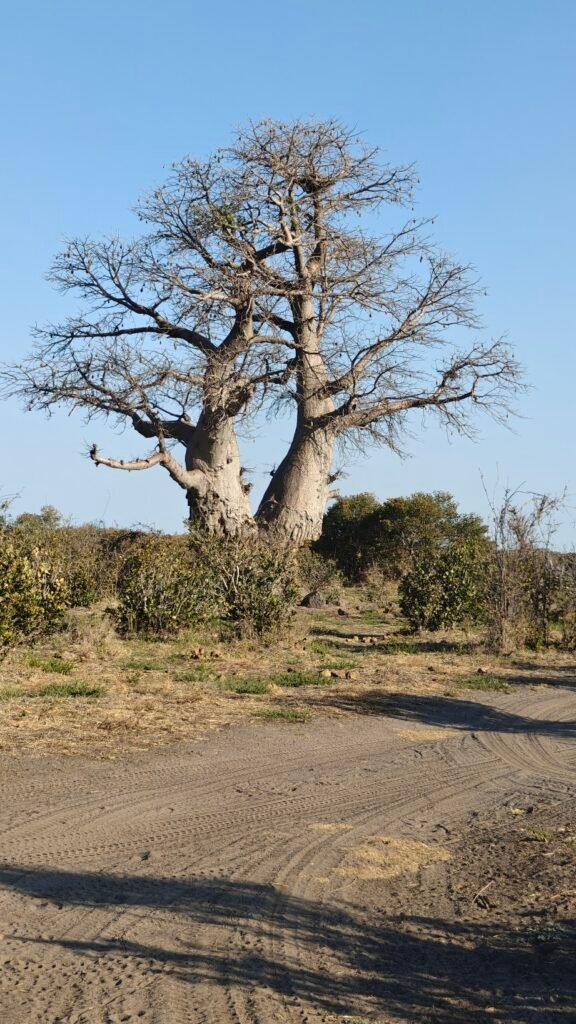
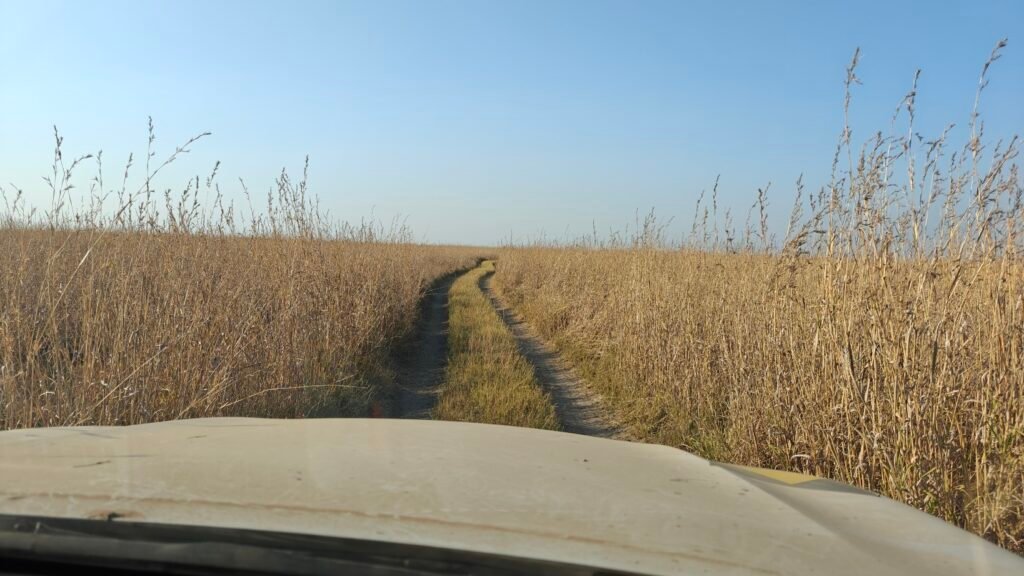
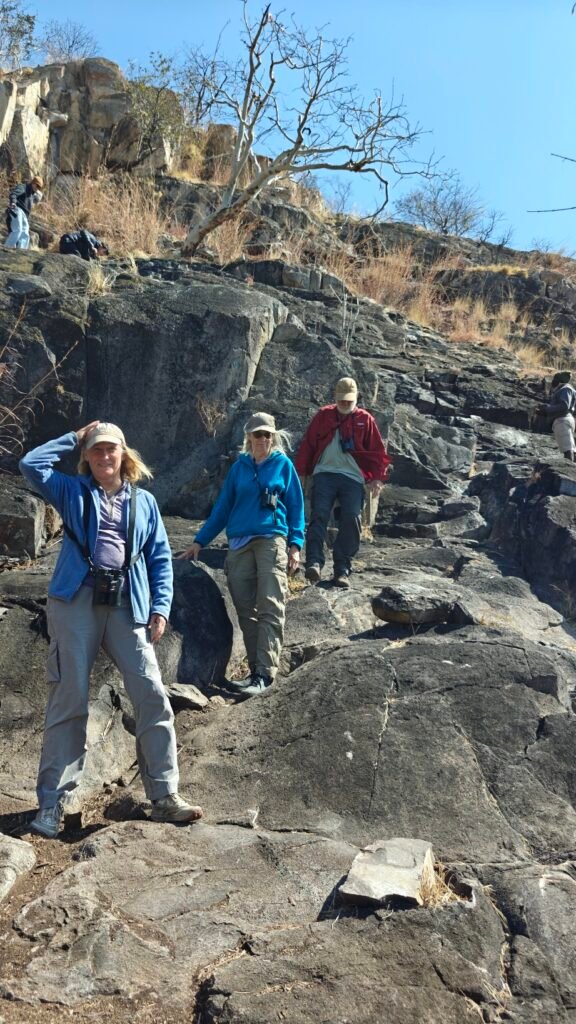
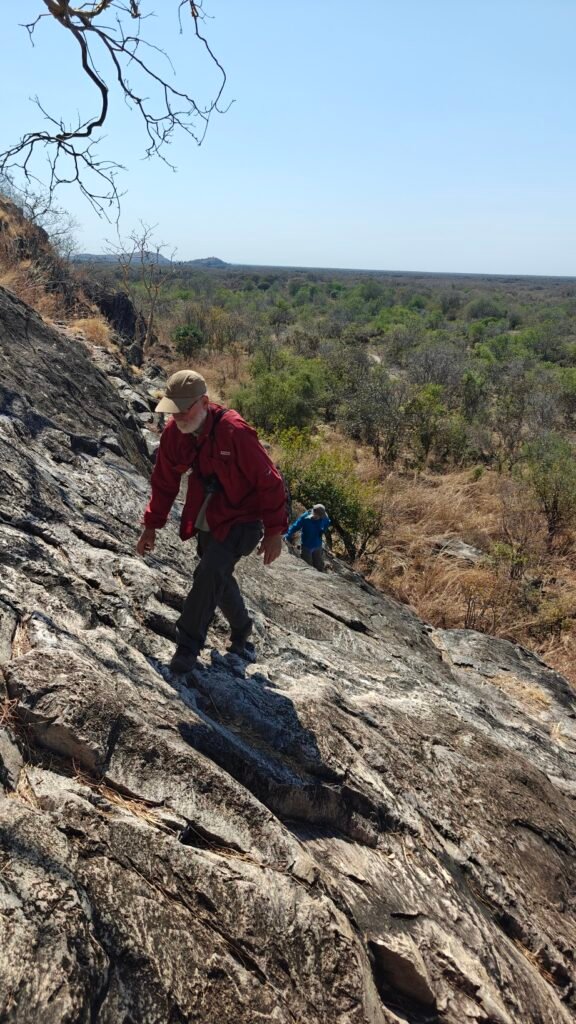
A visit to Savuti would not be complete without a visit to Bushman Hill (Koppie) to see the ancient San Bushman paintings, estimated to be more than 1,000 years old. The rock art is not that spectacular, after seeing the Anaszi rock art in the American Southwest or some of the rock art in other parts of southern Africa, but it was a chance to stretch the legs, climbe rocks (!), and get an elevated view of the surrounding landscape:
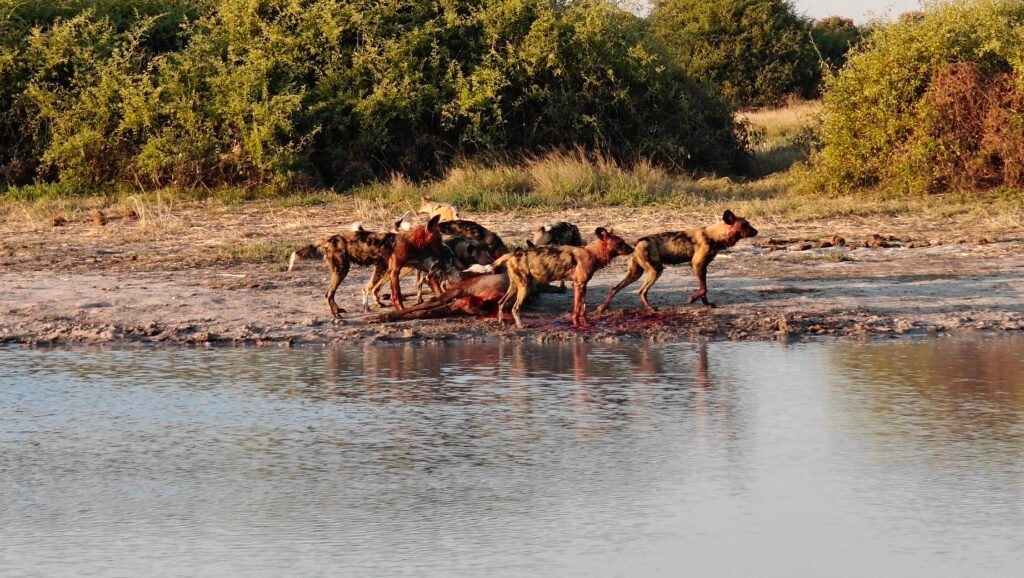
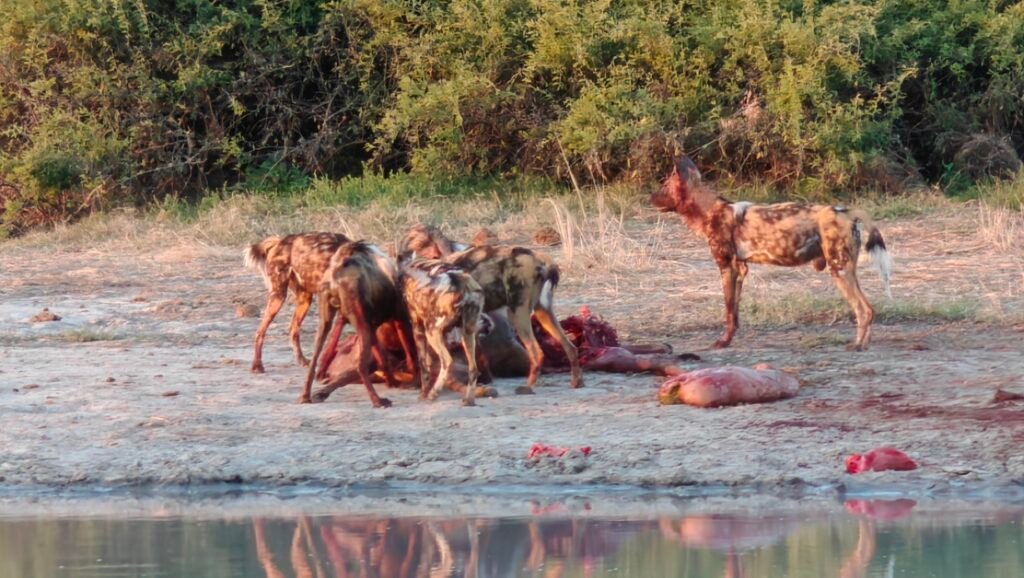
We had lots of great wildlife sightings at Savuti, but without question the most exciting was coming on a pack of Wild Dogs just minutes after they took down an adult female Kudu on the edge of a water-filled pan (Harvey’s Pans). We must have missed the actual take-down by less than a minute or two as the dogs were just starting to tear open the carcass when we arrived. This was a gruesome sighting, but also exceptional, as Wild Dogs are the most critically endangered of the large African predators, so any sighting is special. To see the dogs on a kill was a rare sight indeed. This was also a special sighting as we had it to ourselves until we were ready to abandon the site after watching the dogs gorge themselves for 10-15 minutes and another safari vehicle showed up. Watch the video below for 5-6 minutes of gruesome feeding frenzy, but only do so if you have a strong constitution and watch the ordeal for the “circle of life” that it was. Here’s a photo preview of the dynamic action in the video:
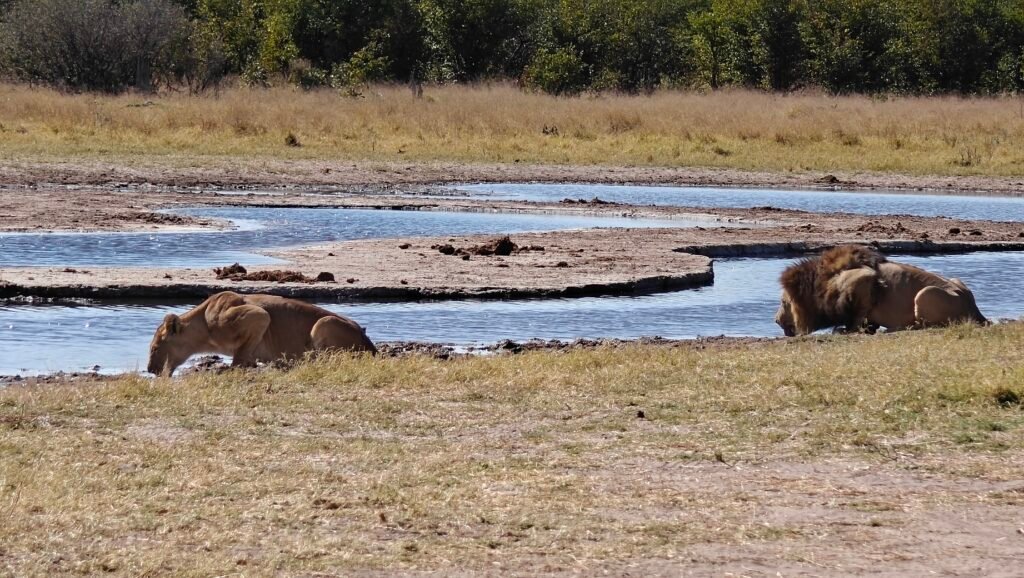
We also had a great sighting of a beautiful lion and lioness on the “marsh”, likely either before or after their 2-3 day mating ritual. Watch the 8-minute video below for a composite of the Wild Dog and Lion observations, but here’s a photo preview of the lion lovebirds:
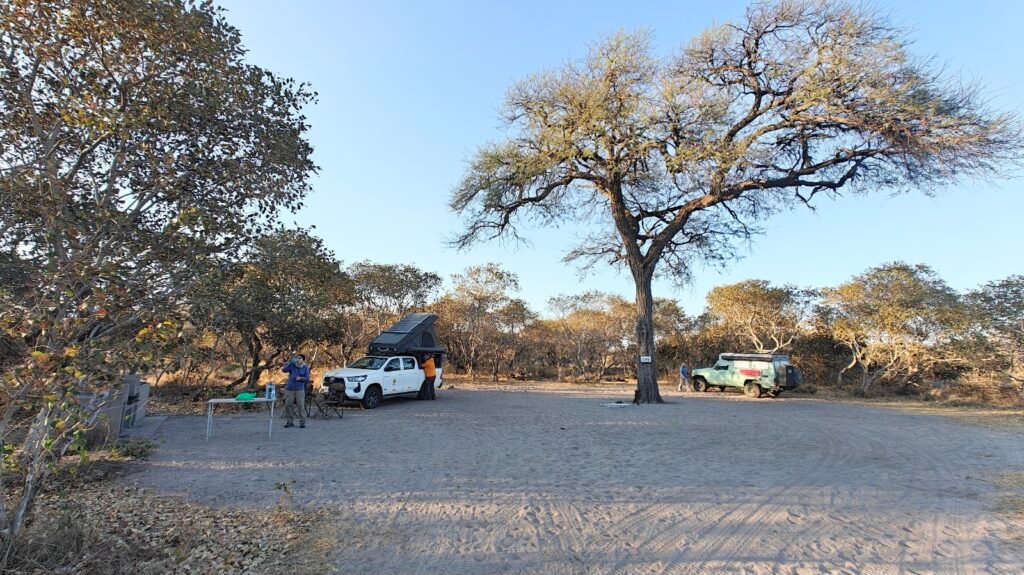
Our campsite was nothing exceptional, just a dirt space centered on a large Camelthorn Acacia tree, but it was also the site of our previous close encounters with bull elephants in camp. This year, however, we arrived after the Acacia seedpods had already ripened and fallen to the ground. Undoubtedly the elephants had already finished cleaning up the site of all edible materials, so we had no elephants in camp.
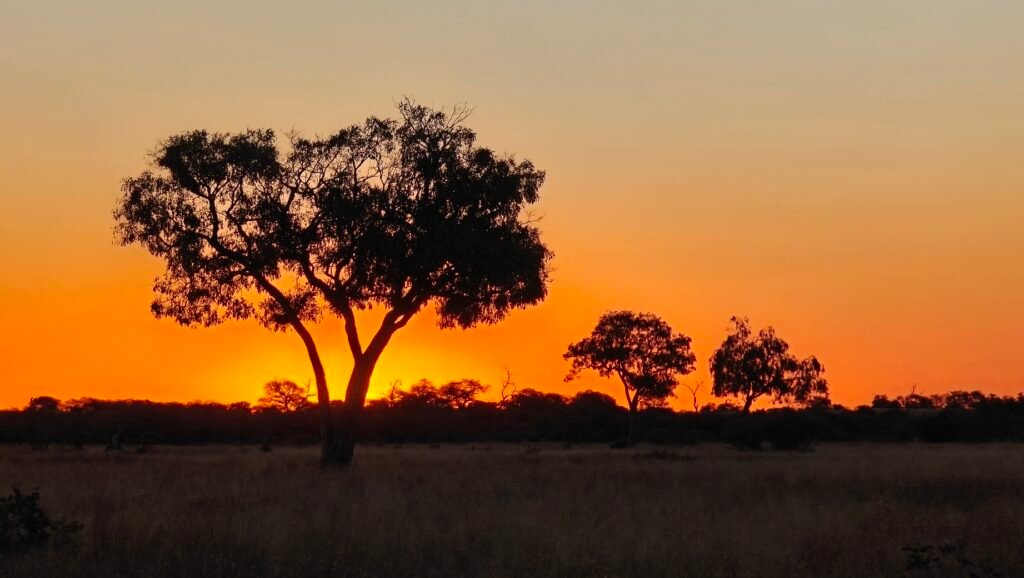
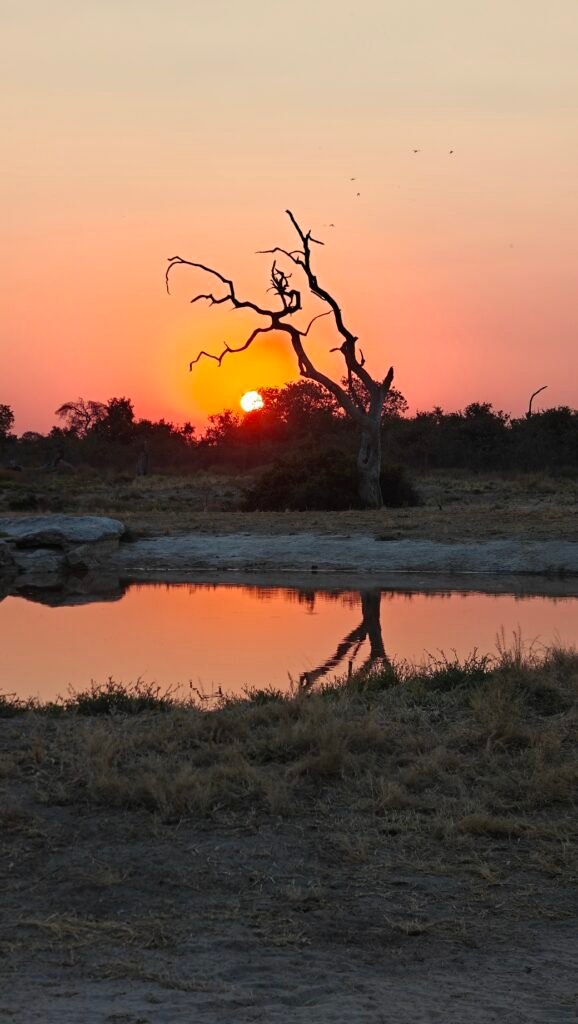
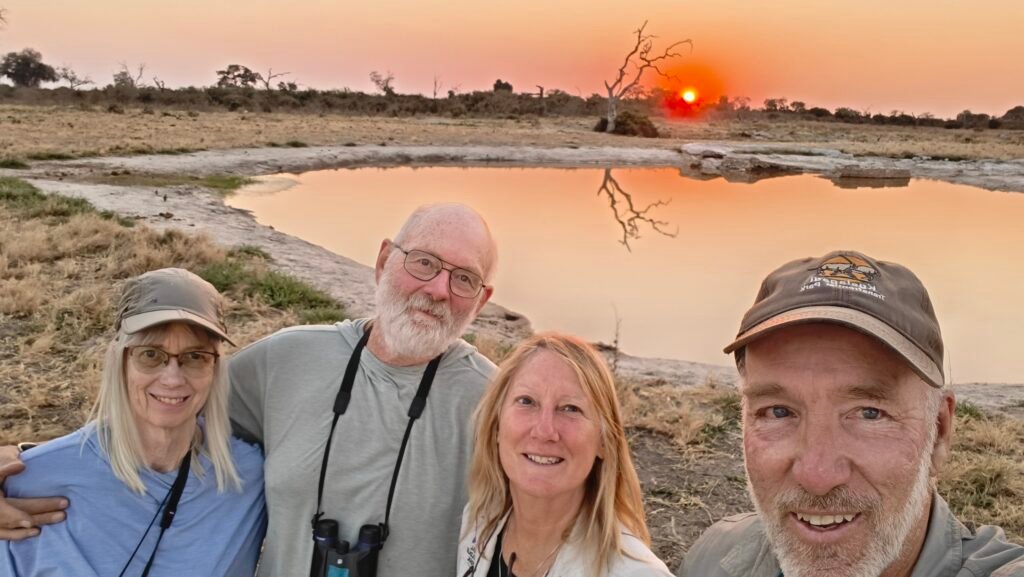
We had some great sundowners at Savuti; i.e., finding a beatiful setting in the bush to watch the sunset and have a happy hour drink and snack. Here’s a few pictures of those scenes:
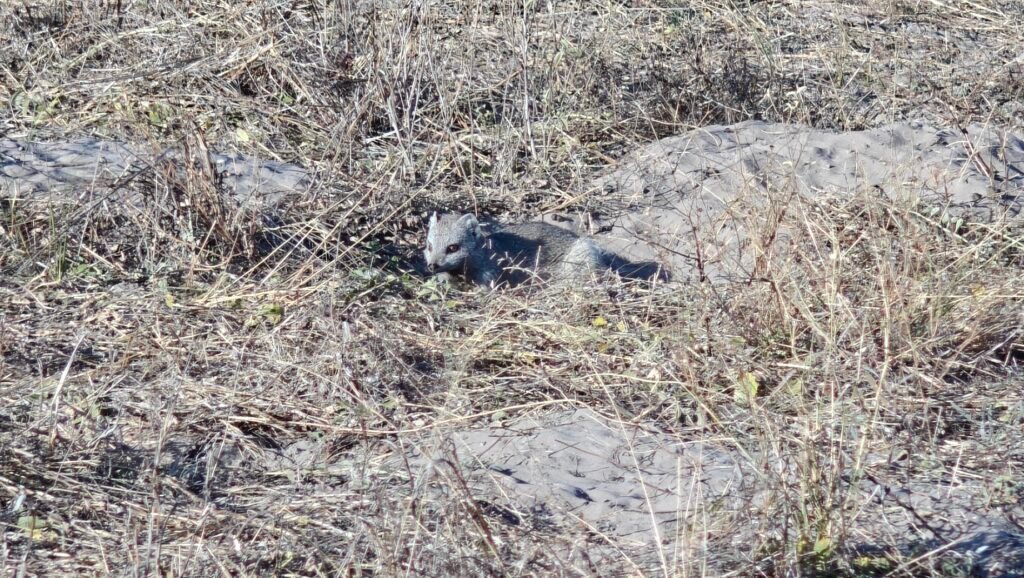
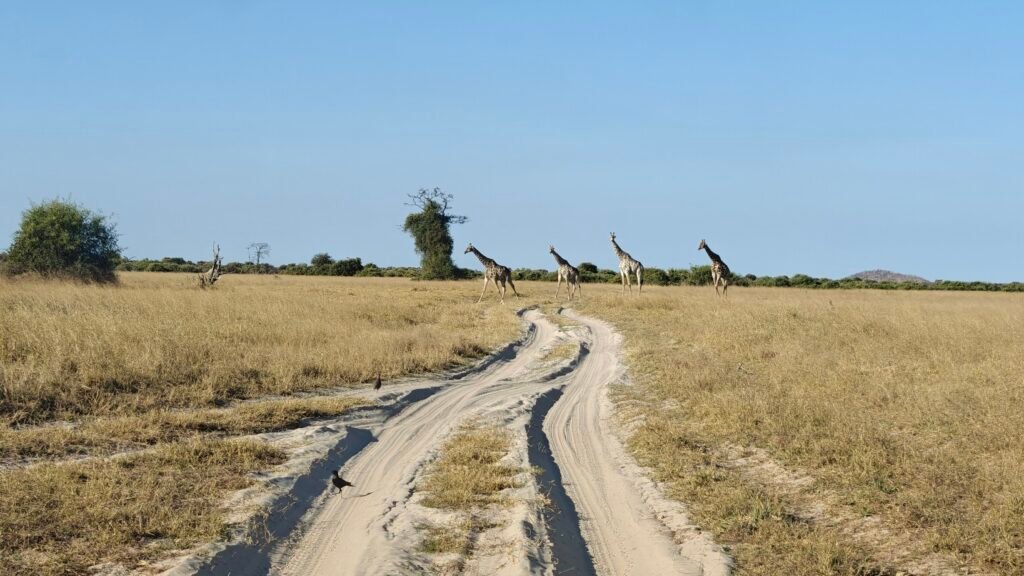
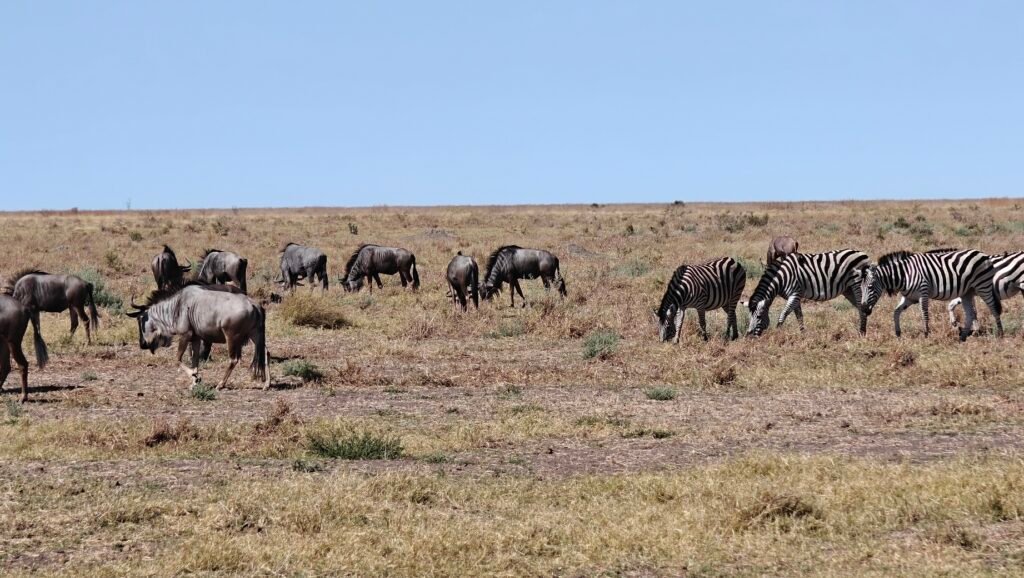
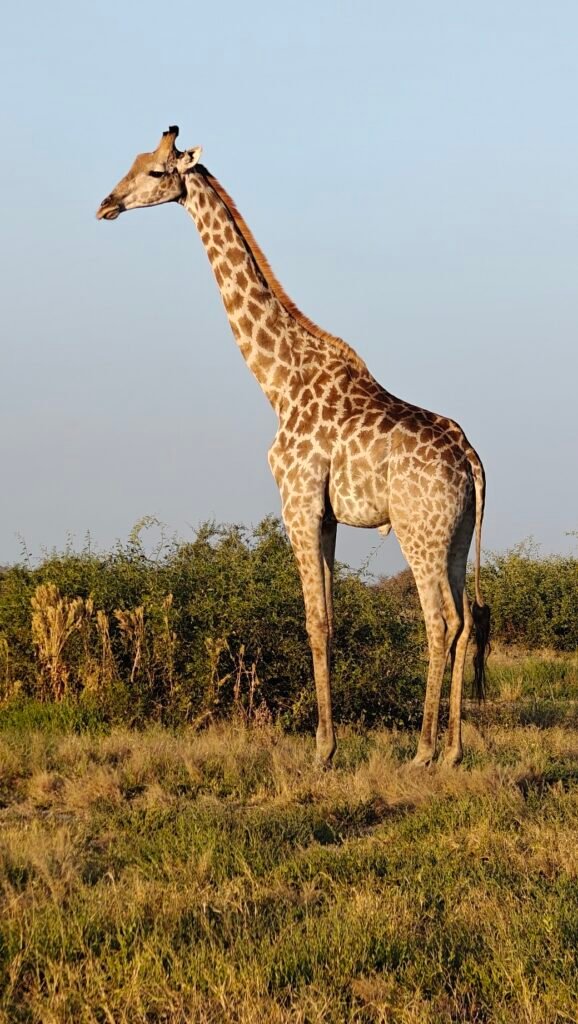
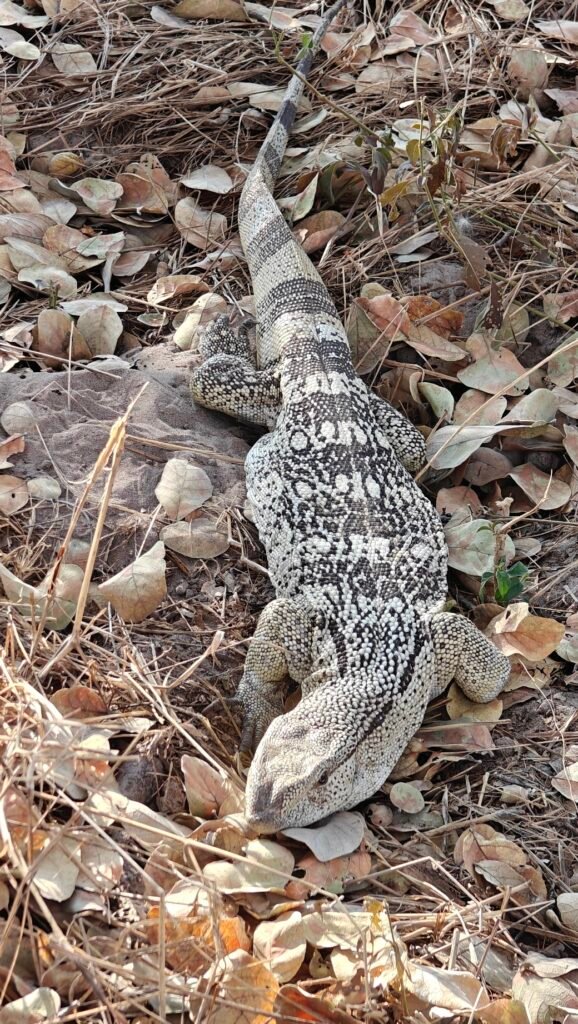
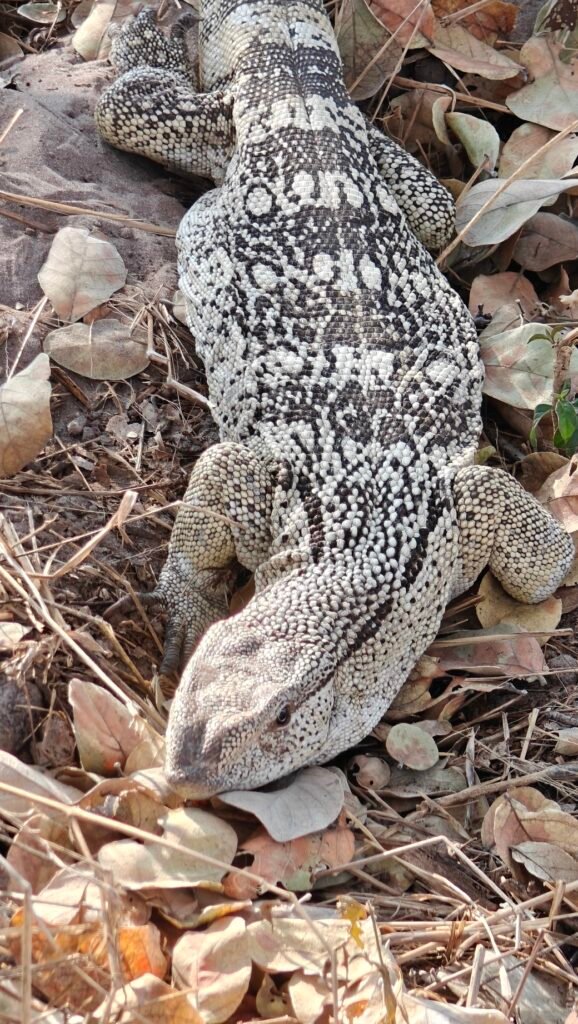
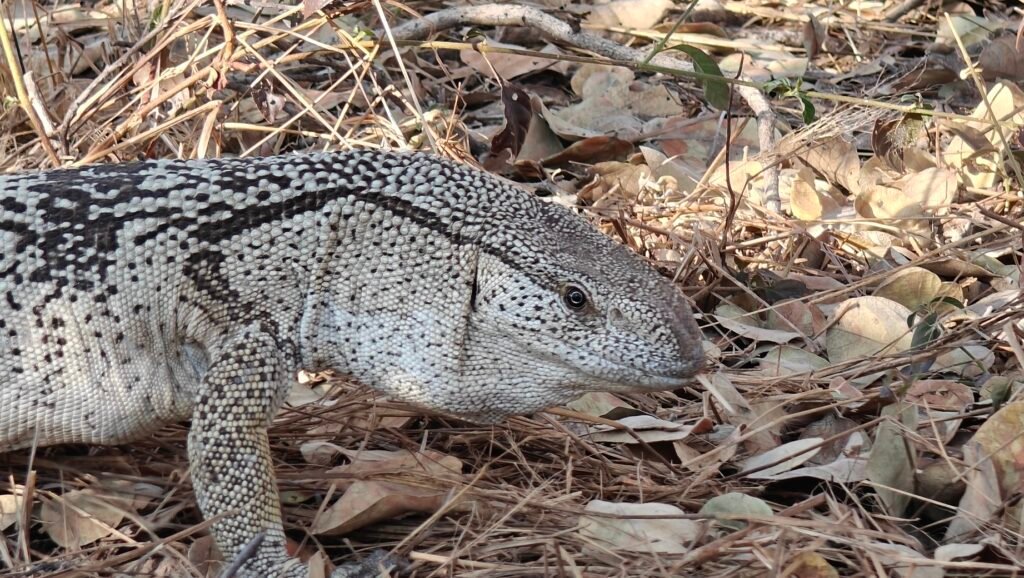
Here’s some additional wildlife photos from my Savuti library:
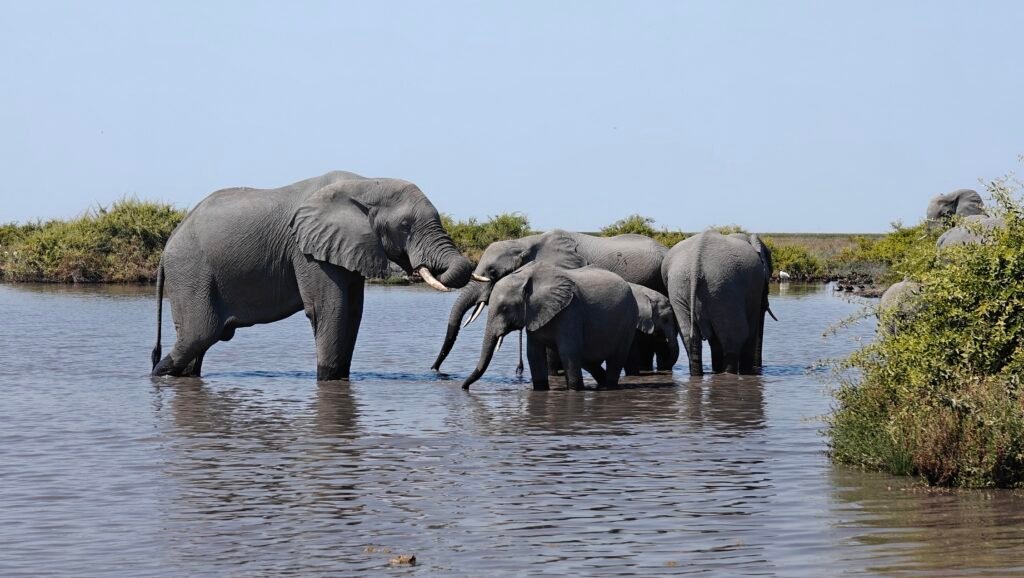
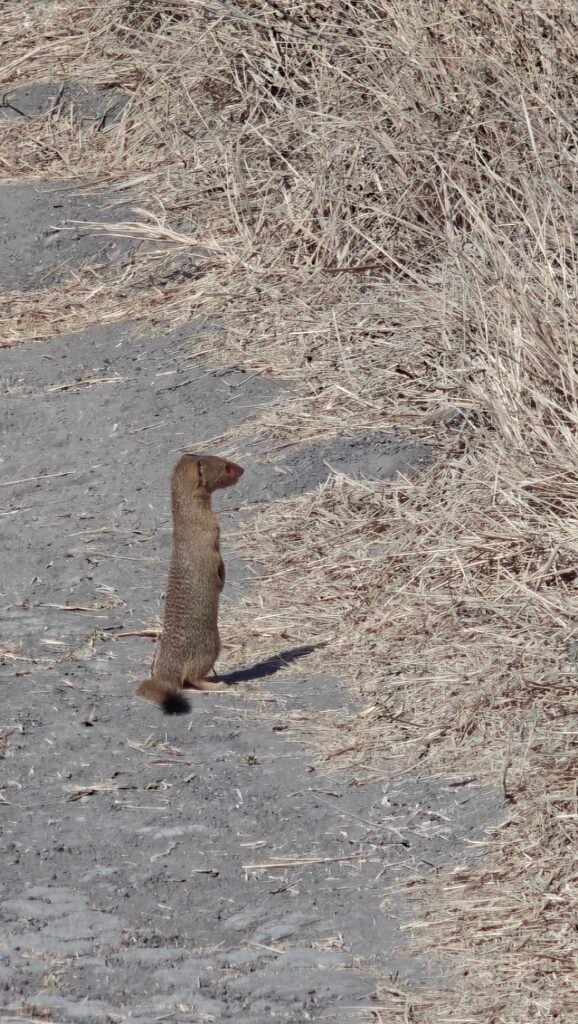
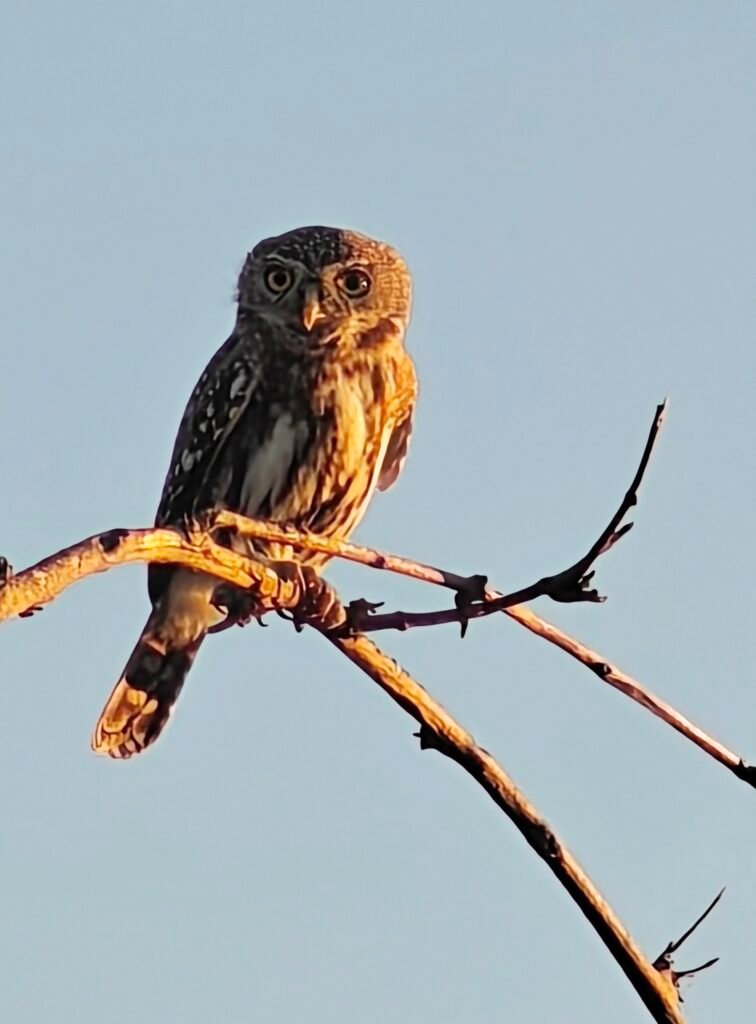
It was sad to leave Savuti, which holds a special place in my heart, because there is a good chance Nancy and I will not make it back to this site again – too many other places to see around the world. We left Savuti and travelled on the long sand marsh track to the Okavango Delta and Moremi Game Reserve for the next 6 nights. See you there!
What an AMAZING wild dog encounter! They are my favorite. Interesting that they seem to have pulled out and discarded several large organs -do you know what organs those were that appeared to be so “unappetizing”? Looks like maybe the stomach and something else?