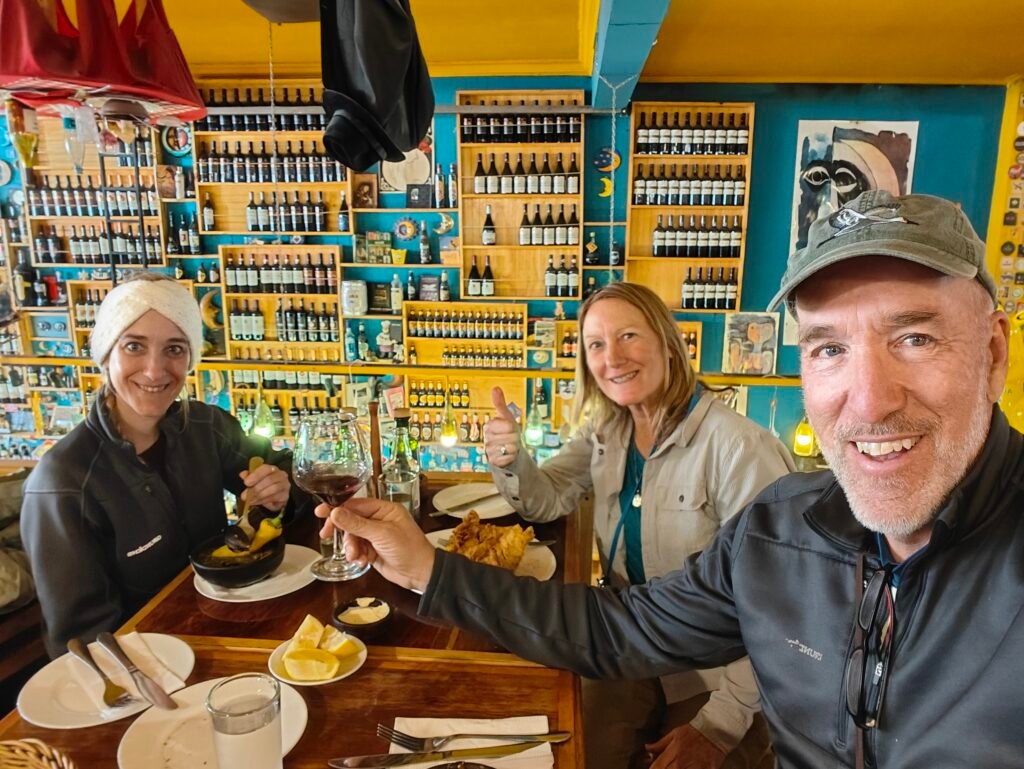
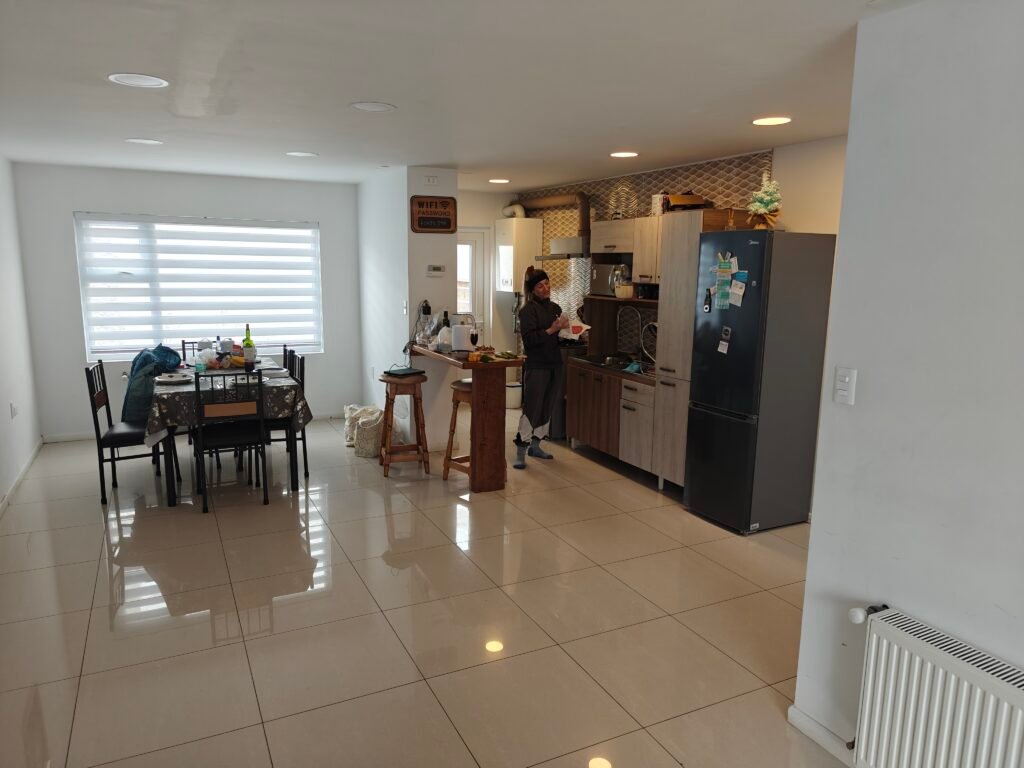
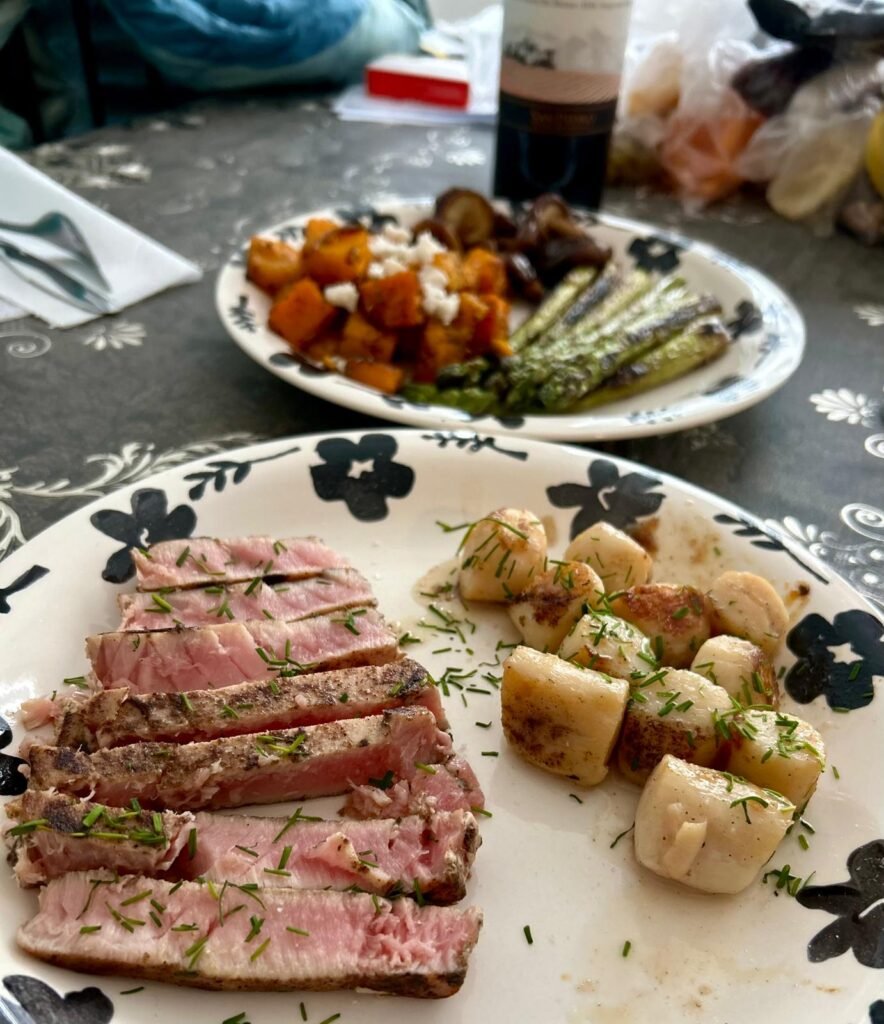
We arrived in Punta Arenas on the 17th and headed straight to our AirBnB for needed some R&R. Here’s first night celebration for arriving without issue:
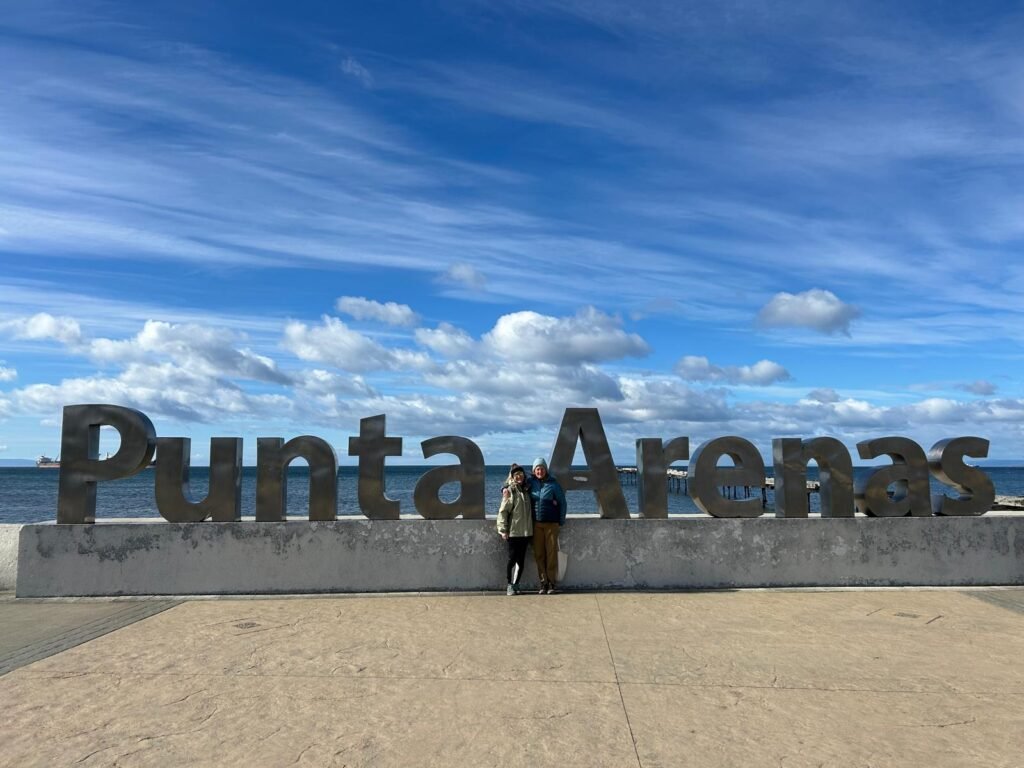
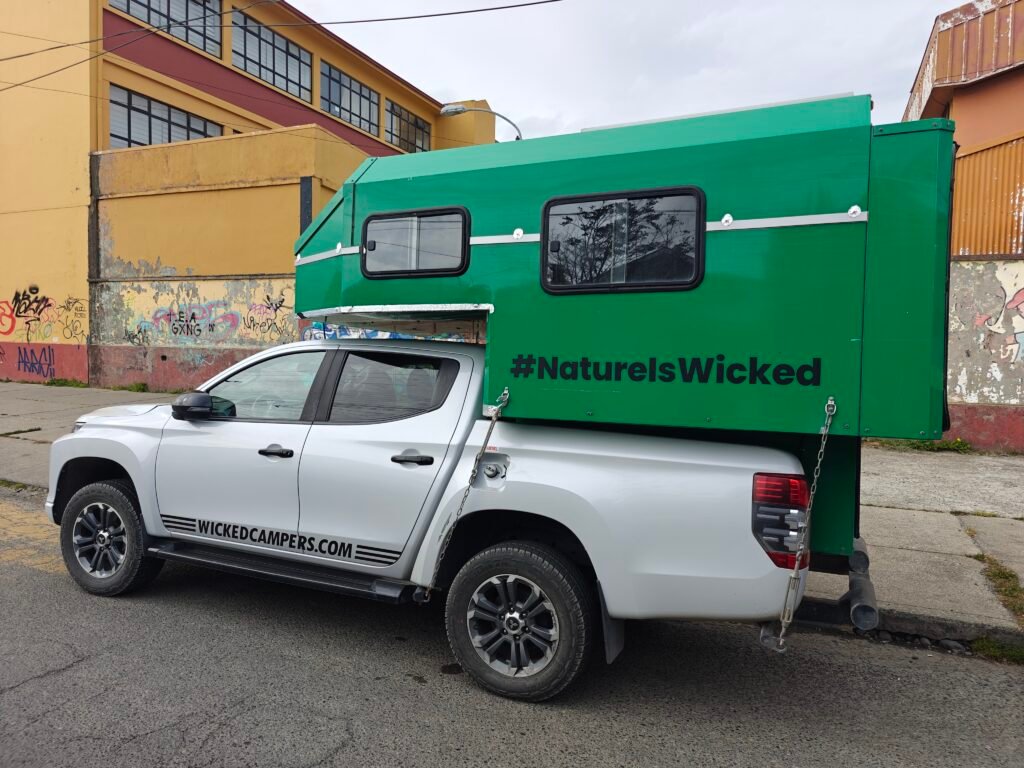
The following day, we picked up our Wicked camper, purchased supplies, and Nancy and Caitlin stolled along the waterfront and went to a very old museum on the history of the region while I dealt with picking up the camper and getting it squared away (i.e. got new tires put on to save headaches later):
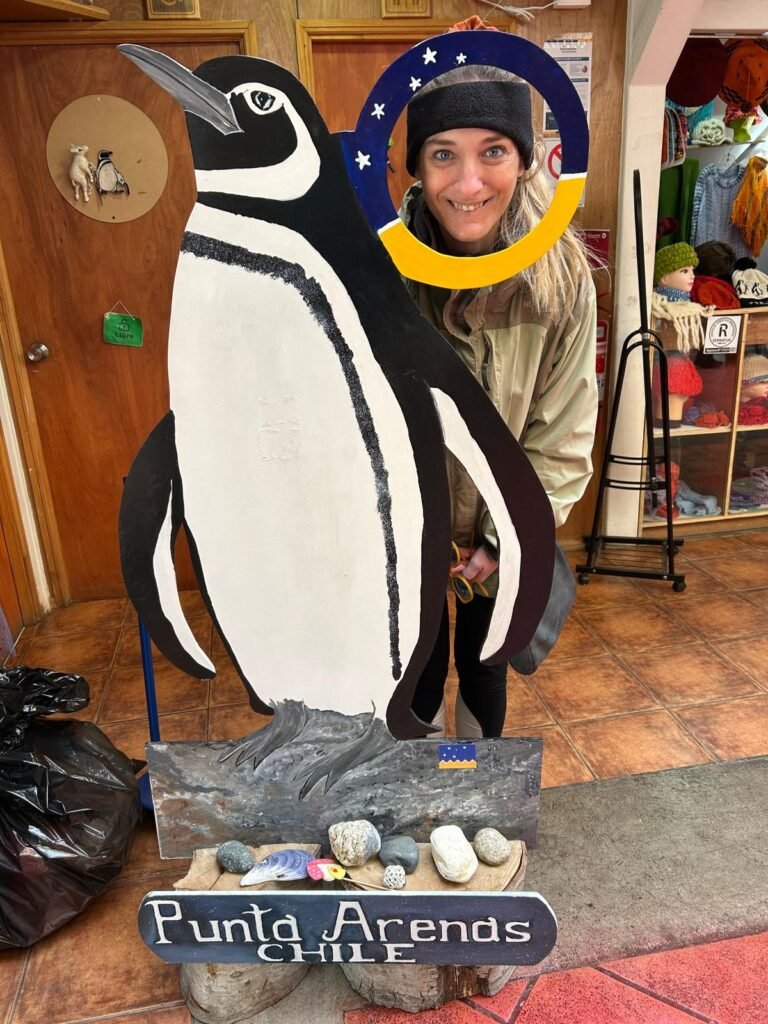
And in anticipation of seeing penguins in the coming days, Caitlin got into the mood:
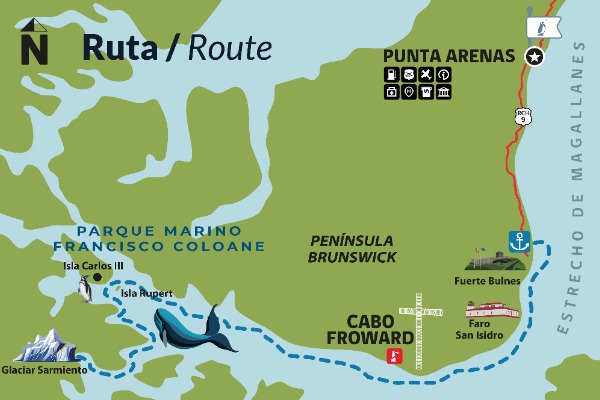
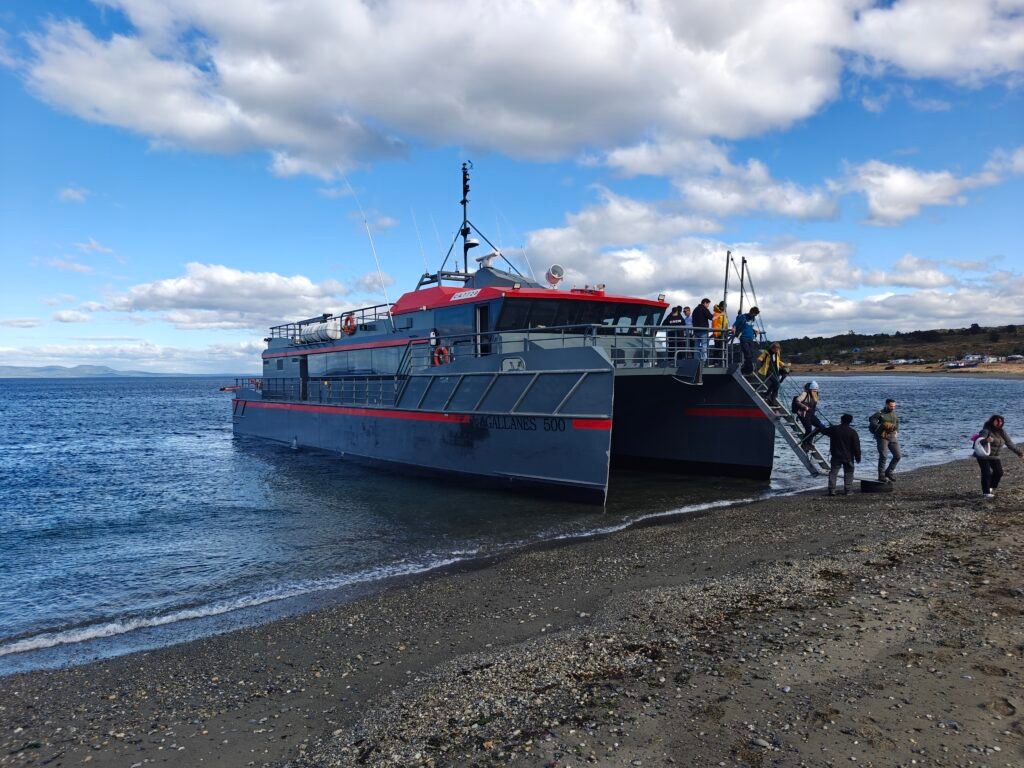
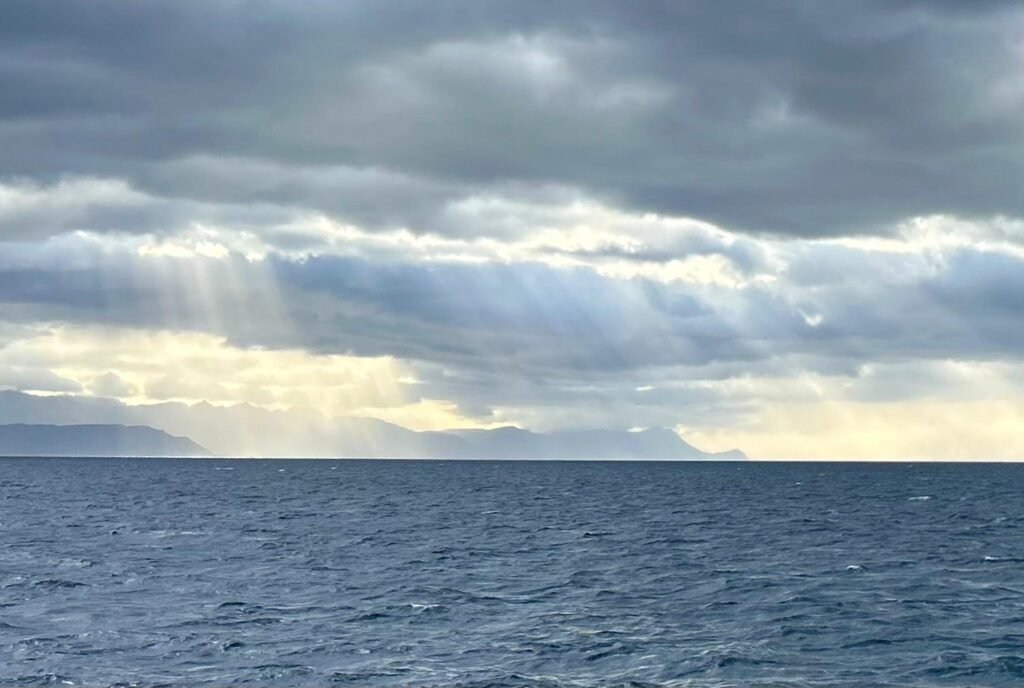
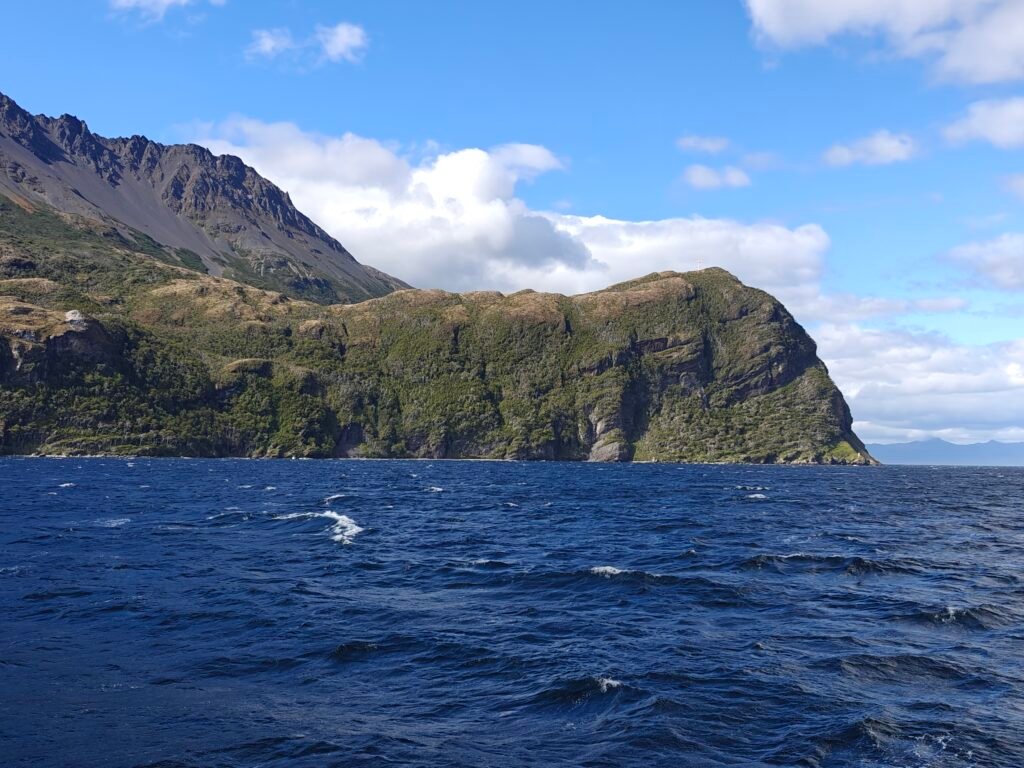
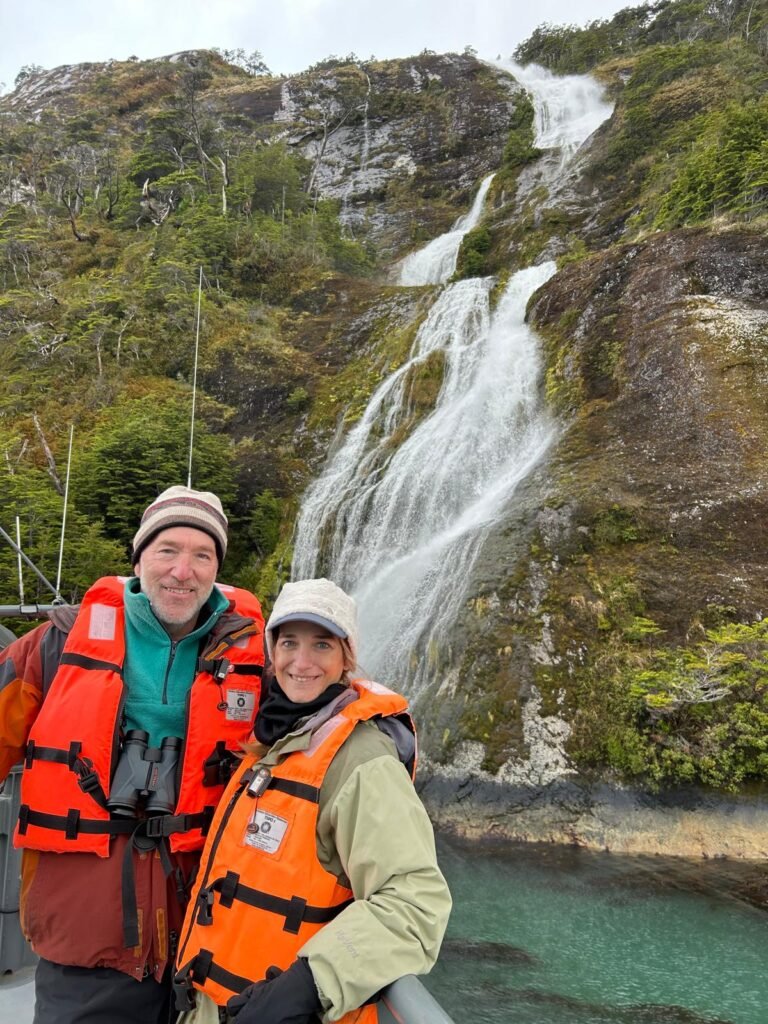
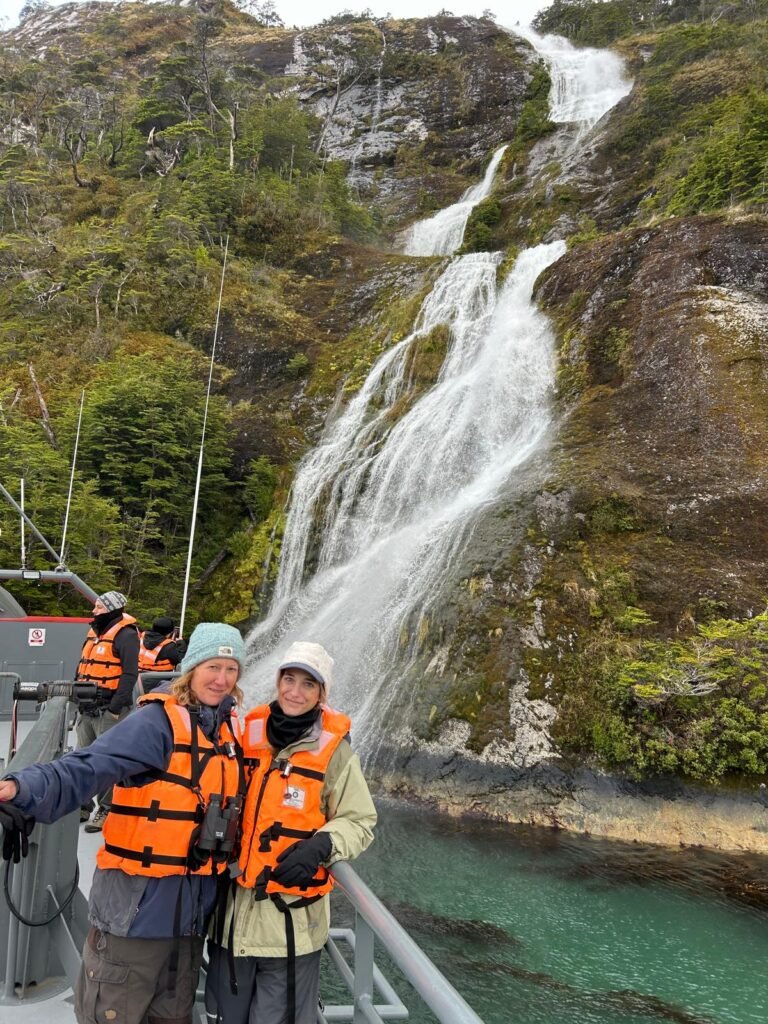
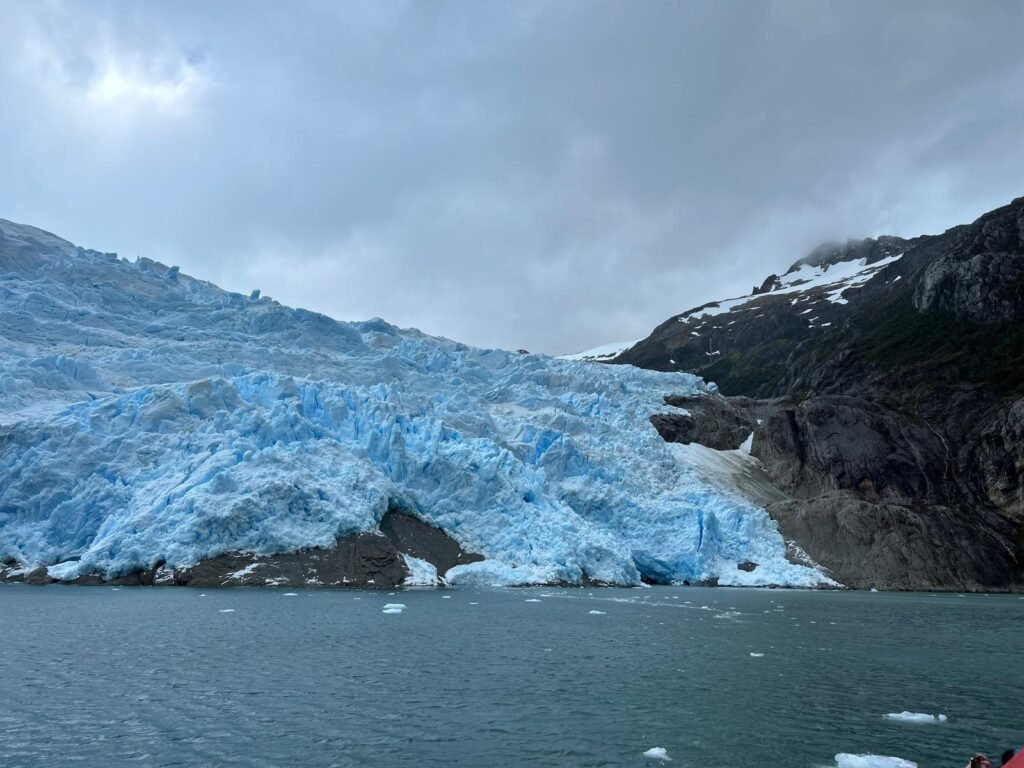
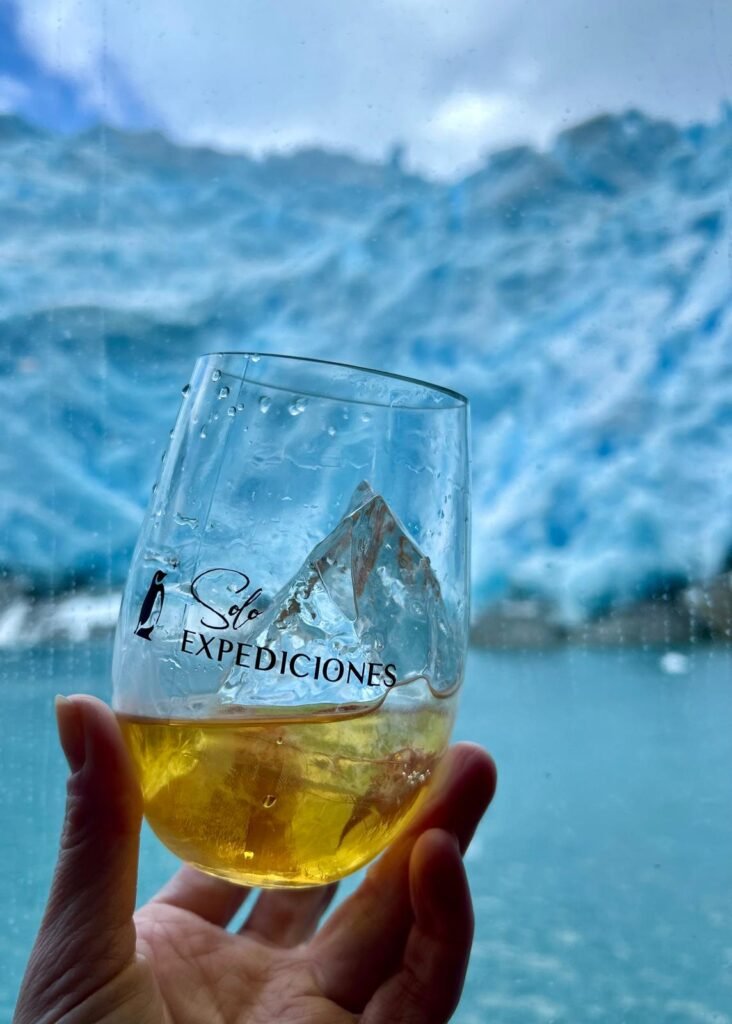
On the 19th, we splurged for an all-day boat cruise through the Francisco Coloane Marine Park in the southern area of the Strait of Magellan, passing Cape Froward, the southernmost point of the mainland Continent, and tidewater glaciers along the way (see map below for route).
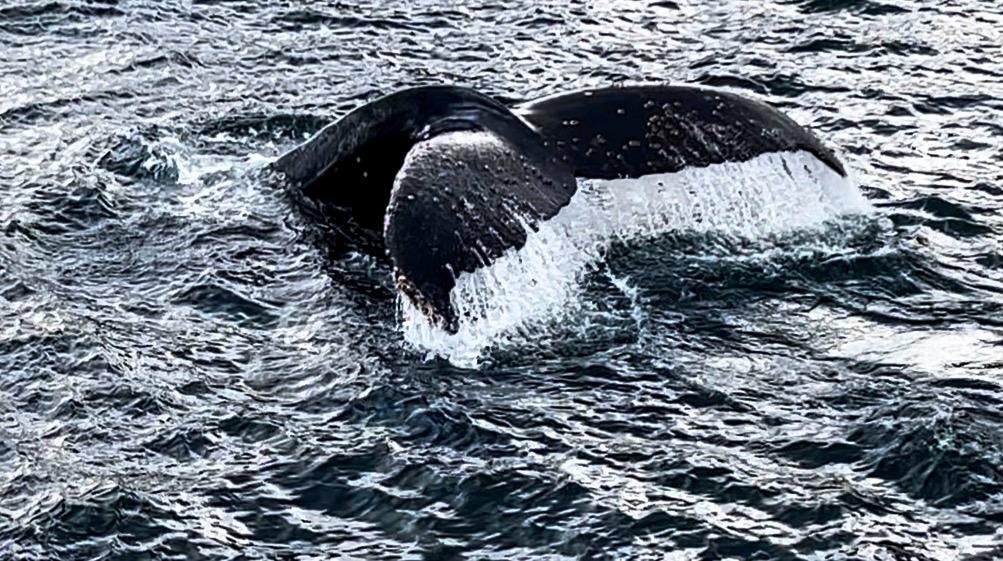
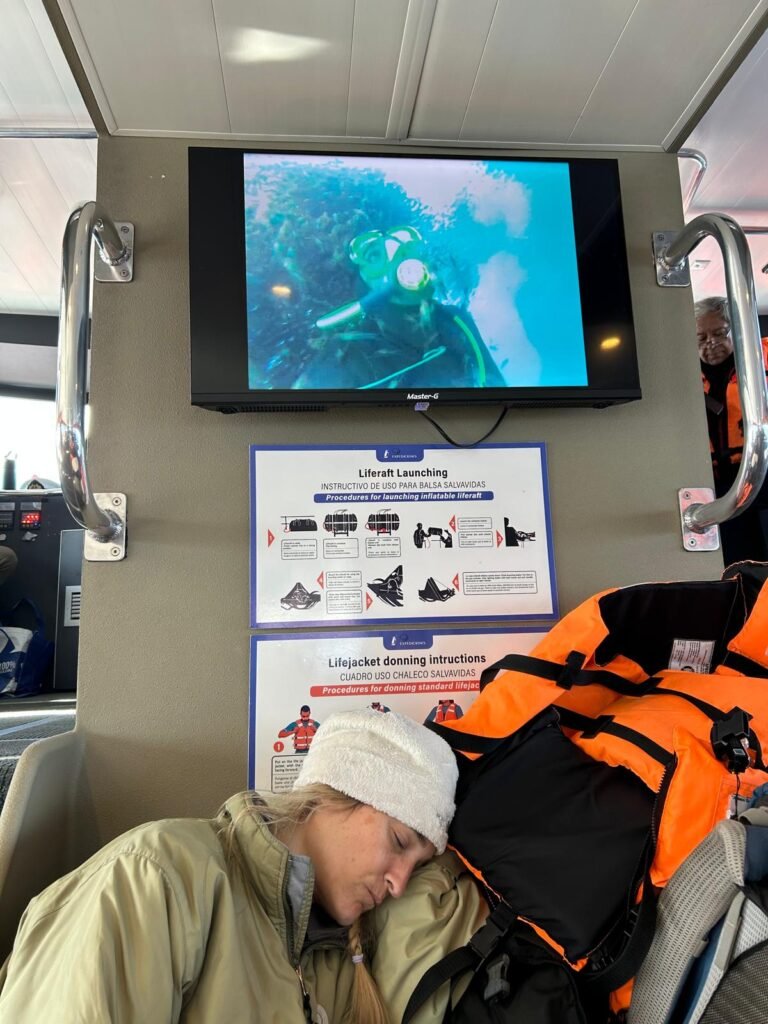
Here are some selected photos from our boat journey:

Now for a tiny bit of history! The Strait of Magellan, of course, is named after the famed Portuguese explorer Ferdinand Magellan, who was the first to attempt to circumnavigate the world in the name of Spain between 1519-1522. You may recall that he fell short of his goal, dying in a battle in the Philippines in 1591 just short of his goal, but his crew did complete the voyage. Magellan pioneered the 350-mile long navigable route through the fjords and channels between the mainland and Tierra del Fuego, thereby circumventing the treacherous ocean-going route – which can have 80-foot waves at times – around the southern-most islands of Tierra del Fuego – Cape Horn. The Strait is used today by cargo and passenger ships traversing from the southern Atlantic to the southern Pacific Oceans and either avoiding the costly passage through the Panama Canal or too large to use the Canal. And did you know that Magellan also gave us the name for the Pacific Ocean.
OK, enough of humpback whales, glaciers and Magellan, let’s move on to the Grand Island on Tierra del Fuego. See you there!
PS: for the birders: one new species, Striated Caracara
How interesting and exciting
Thankyou Kevin & Nancy for the great report and photos! We love sharing your journey. Maybe someday we will travel there! Keep the photos coming! ❤️
Karen & Steve Fuller
So glad you are posting about this trip. Wonderful pictures and info! Thank you
Striated Caracara – nice sighting. Near threatened species with limited distribution. Doesn’t sound like you’ll see that in Botswana. Nice!
Nice start ! Love all the pictures and commentary. Have a blast ❤️
Beautiful pictures on the cruise! Everyone is sleeping lol. Sounds like everything is going to plan as well. Look forward to the penguins !
Looks like you are having a good time.
Loving this again. Can’t wait to tour this part of South America some day, perhaps with you guys if you fancy another trip down south. Can you ever get enough of the Andes and Patagonia and Glaciers and Fjords…? Have a wonderful journey with Caitlin. Share some details about the Wicked Rig (a short video tour perhaps?)